 INTERNATIONAL
INFORMATION AND ANALYTICAL
COMMUNITY


+ Join
Support INTERNATIONAL


Yehor Yarosh, expert in U.S. politics, exclusively for Resurgam
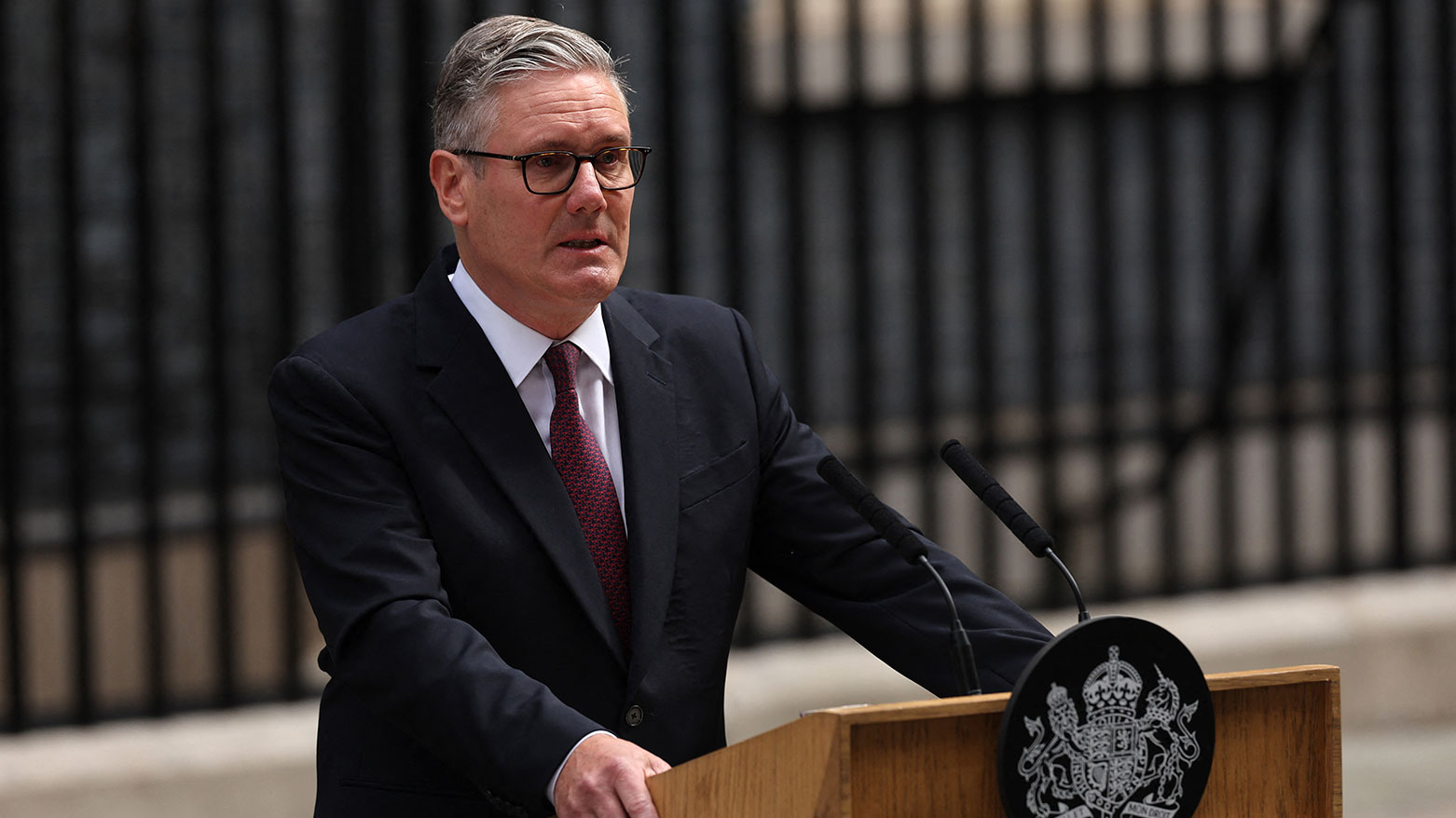 Photo: Getty Images
After the 2016 Brexit referendum, Cameron resigned; Theresa May failed to steer the country through the parliamentary crisis over the terms of withdrawal from the EU; Boris Johnson left office amid scandals and the loss of ministerial support; Liz Truss lasted only a few weeks after the financial panic triggered by her "mini-budget" — an autumn 2022 plan for unfunded tax cuts that sent the pound and the gilt market into freefall; and Rishi Sunak inherited a government already associated with exhaustion, inflation, a cost-of-living crisis, and collapsing trust in the Conservatives.
It was against this backdrop that Labour came to power in 2024. This article looks at why, just two years into Labour’s time in office, the gap between what was promised and what actually happened has turned out to be so wide. British politics has seen this kind of voter disillusionment before, after 1997 and after 2010, but this time it has unfolded faster and more sharply.
Labour won its parliamentary majority after 14 years of Conservative rule, but its result rested not so much on genuine enthusiasm for Keir Starmer’s programme as on voters’ desire to punish the Conservative Party for its accumulated failures.
Labour won 411 seats on just 33.7% of the vote — in other words, Britain’s first-past-the-post system turned roughly a third of the vote into nearly two-thirds of the seats in parliament. This created the illusion of a very strong mandate, even though real public support was far narrower. Labour’s majority rested less on mass enthusiasm for the party than on the Conservatives’ failure, the fragmentation of the opposition, and an efficient distribution of votes across constituencies.
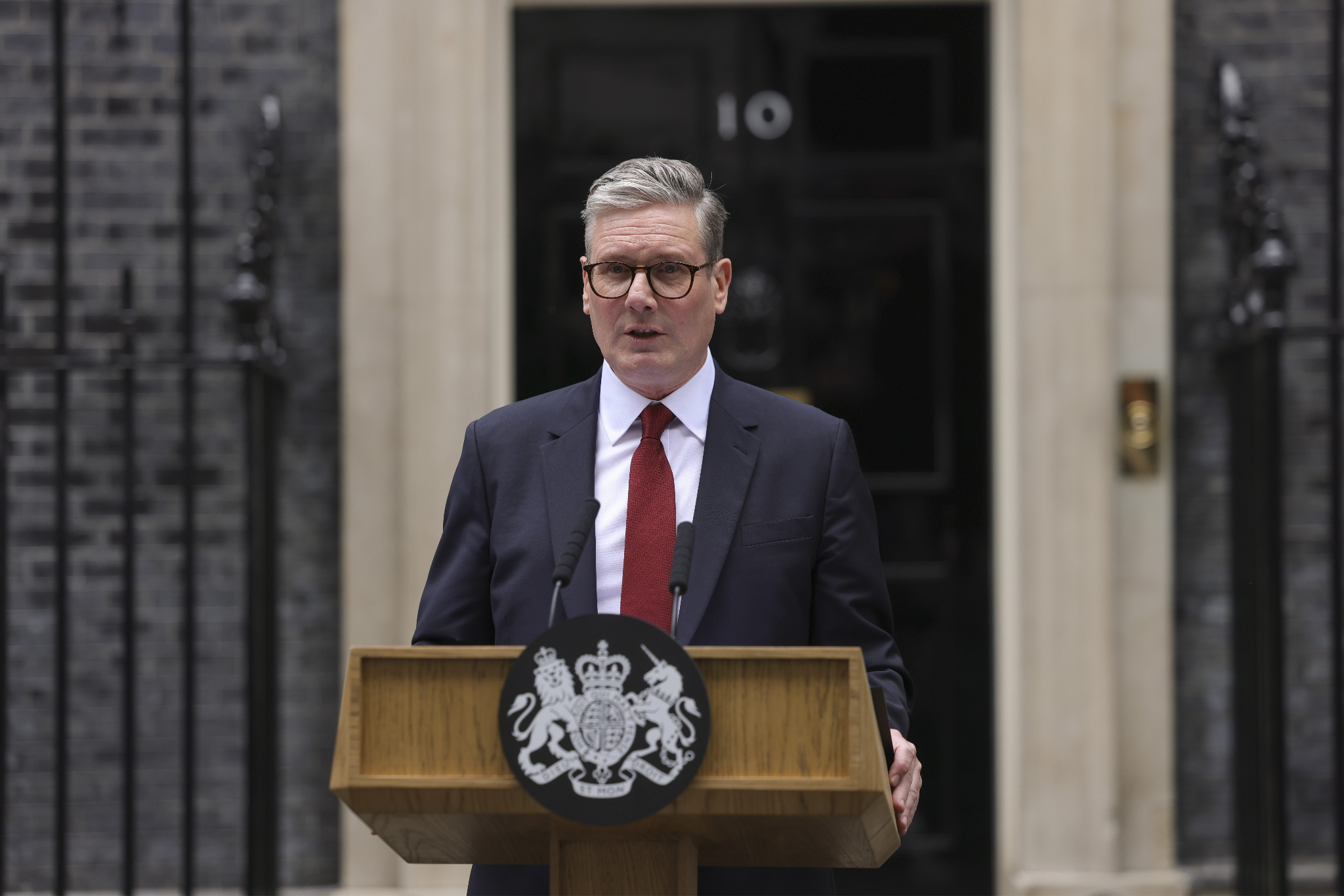 Keir Starmer outside Downing Street after Labour’s victory in the 2024 election. Source: Getty Images
The first pillar was the declared policy of economic stability — strict fiscal discipline as a signal to business and financial markets that the chaos of the Conservative years, with risky experiments like Liz Truss’s "mini-budget," was over. The second was economic growth, elevated to the status of a central mission meant to fund everything else: schools, hospitals, infrastructure, energy. Without growth, the rest of the promises would lose their financial footing, so together these two points effectively served as the foundation for all the others.
The third pillar concerned the National Health Service (NHS): Labour promised to cut waiting lists through 40,000 additional appointments a week, more cancer-diagnosis scanners, and better dental and mental-health care — areas whose neglect voters felt most acutely.
The fourth pillar was migration policy, delivered through the creation of the Border Security Command, a new law-enforcement body to combat illegal migration across the Channel. Here the party deliberately shifted its emphasis away from punitive measures against migrants themselves and toward dismantling organised smuggling networks, trying to frame migration in the language of security rather than punishment.
The fifth pillar: energy, through the creation of Great British Energy, a state company for investment in renewable energy aimed at energy independence from volatile gas and oil markets. This combined an economic argument with a climate one.
The sixth pillar: tackling antisocial behaviour, a category which in the British context refers not only to crime but to vandalism, minor offences, and aggression in public spaces. Labour tied this fight to the return of neighbourhood policing, the hiring of 13,000 new officers, and the introduction of a named, dedicated contact officer for every community — betting on the visible presence of police rather than on crime-clearance statistics alone.
A separate pillar, seventh in order but not in importance, was the hiring of 6,500 new teachers for state schools, funded by scrapping tax breaks for private schools. This promise mattered not only as an education measure but as a political signal: Labour was showing its traditional willingness to redistribute resources from the private sector to the public services most voters rely on.
The very word "change" in the campaign proclaimed a return to competent governance after years of instability. That is exactly what raised expectations for Starmer’s government so high. The problem was that Labour came to power with a mandate for fast, tangible change in the economy and public services, but with very little room to manoeuvre. The economy remained weak, the tax burden was already high, public services needed heavy investment, and any attempt to combine fiscal discipline with social expectations quickly produced conflict.
So it was that the very first budget decisions of Chancellor Rachel Reeves undermined part of Labour’s image as the party of "quiet stability." The 2024 budget announced tax rises of roughly £40 billion a year. Most of the additional burden fell on business, through higher employer contributions to National Insurance: the rate rose from 13.8% to 15%, while the threshold at which contributions kick in was lowered from £9,100 to £5,000 of an employee’s annual earnings. As a result, employers’ actual cost per worker rose far more sharply than the rate change alone would suggest — in some cases by almost 50%. These contributions are used, among other things, to fund state pensions and part of the welfare system.
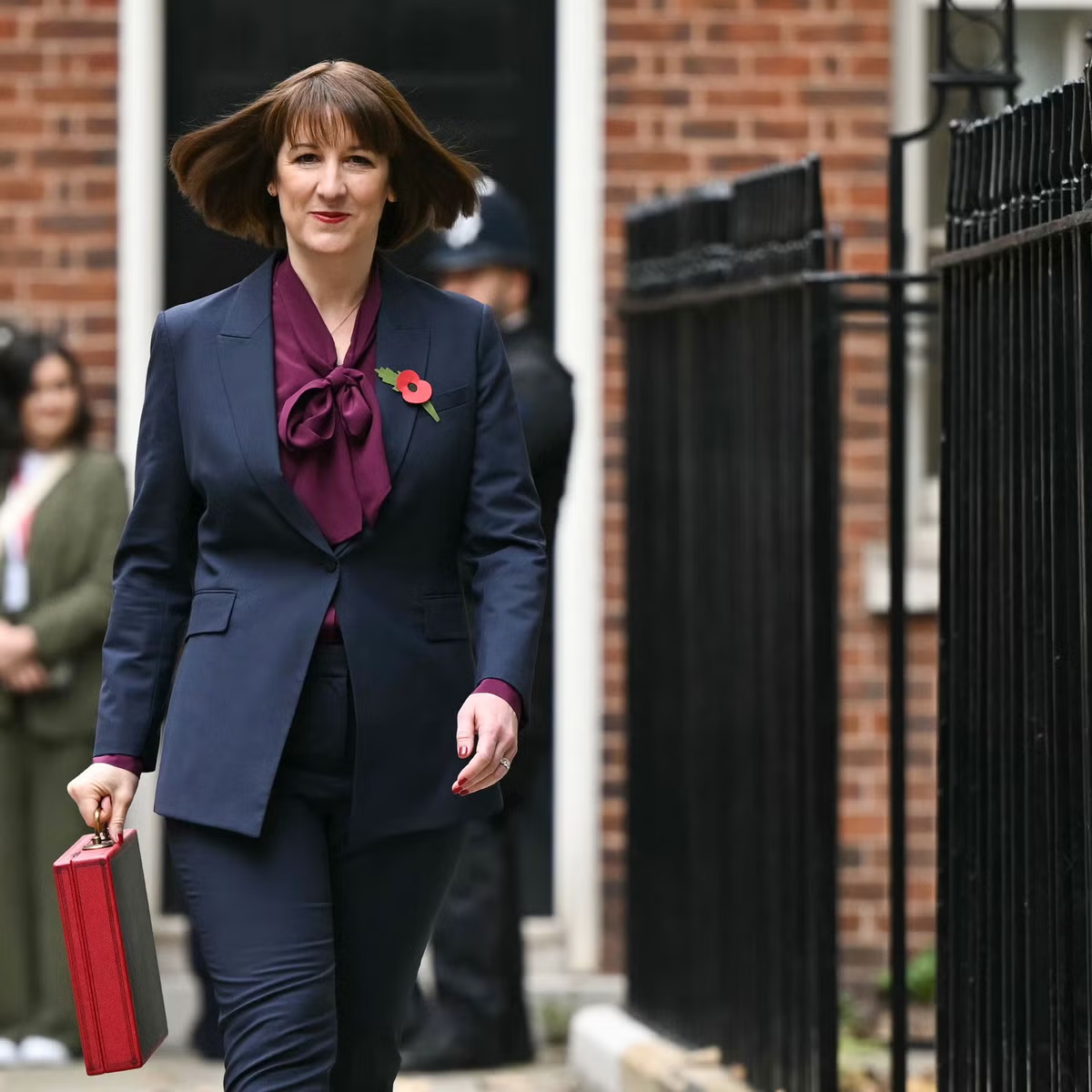 Rachel Reeves, Chancellor of the Exchequer, with the traditional red budget box before announcing the 2024 budget. Source: Sky News / Getty Images
The second failure came in social policy. Britain has a Winter Fuel Payment for pensioners, which helps cover heating costs during the cold season. The government initially restricted it to a narrower group of pensioners, citing budget savings, but partly reversed course after sharp criticism. Similar arguments played out around cuts to disability benefits, and as a result the government earned a reputation as one that saves money at the expense of the vulnerable. Even where the budget arguments were sound, such decisions eroded Labour’s centre-left image. More and more, it stopped looking like the party of social protection.
On the NHS, the picture was mixed. The government had promised 40,000 additional NHS appointments a week, and some real improvements did follow — waiting lists fell to their lowest level in several years. But these improvements could not offset the inflated pre-election expectations of voters.
Migration also remained a weak spot. Labour had promised to replace Conservative rhetoric with more effective border management, notably through the Border Security Command. Yet the arrival of irregular migrants on small boats remained an emotional marker of state failure.
According to available data, from 5 July 2024 to 20 June 2026 around 75,500 people arrived in Britain by small boat. The comparison matters here, since against these 75,000 migrants over two years of Labour, the Conservatives recorded 128,000 migrants over 6.5 years. In other words, the annual rate under Starmer is roughly twice as high as under his predecessors. That makes any defence of the government’s migration policy far harder.
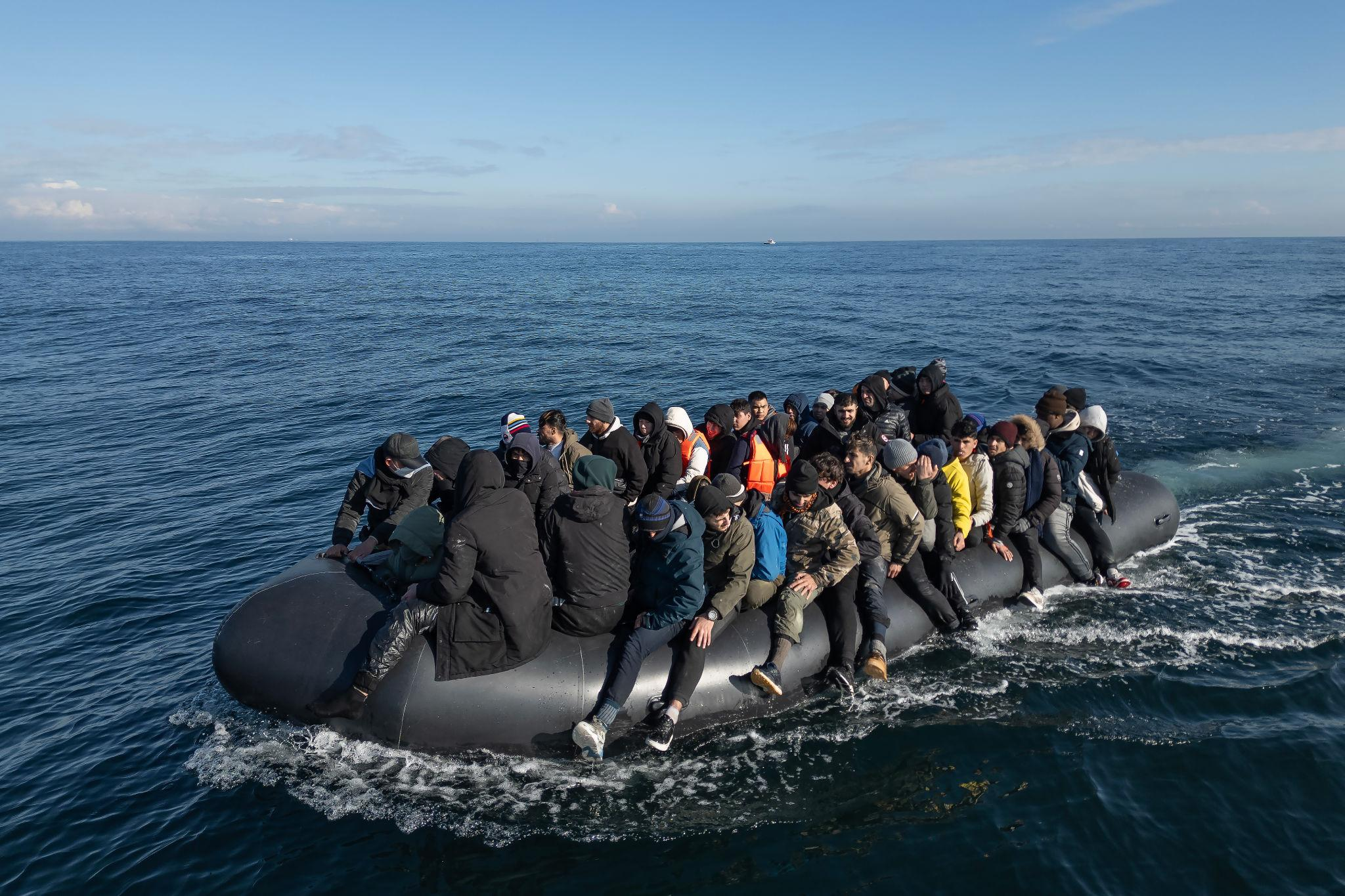 Migrants cross the English Channel toward Britain on a small inflatable boat. Source: Getty Images / Dan Kitwood
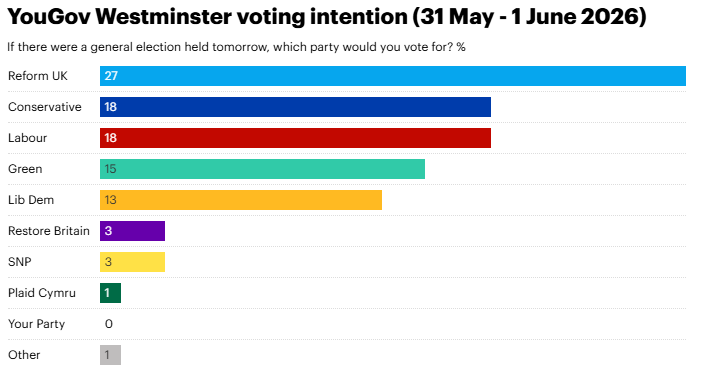 Polling from YouGov on party standing. Source
The elections held on 7 May 2026 for English local councils and the Scottish and Welsh parliaments were Labour’s first major electoral test since taking power. All of these votes pointed to a single trend: Labour losing support on several fronts at once.
At the local level in England, the result was especially painful for Labour. After the election, Labour held only 28 of 136 councils, having lost 40, and the number of its local councillors fell by nearly 1,500. Reform UK, which had not previously controlled a single one of these councils, won a majority in 14 of them and took 1,455 seats overall — nearly 29% of all seats up for election. So its result shouldn’t be reduced simply to gaining control of about a tenth of the councils: in many other municipalities the party also became a significant bloc, while in 65 councils no single force won an outright majority. The Greens took control of five councils and won 586 seats. This distribution confirmed the further breakdown of the traditional two-party "Labour versus Conservative" model. For Labour, the danger lies not only in the loss of seats but in the weakening of local party infrastructure — the network of councillors, activists, campaigners, and ongoing contact with voters. If the trend continues, it could carry over into the general election, especially in constituencies the party has considered its heartland for decades. For Reform UK and the Greens, by contrast, these local wins offer a chance to show they are not merely protest forces but parties capable of everyday governance.
These elections can fairly be described as a "rout" for Labour. The party lost 58% of the seats it was defending. More significantly still, only 46% of those who had voted Labour in 2024 and turned out for the 2026 local elections stayed with the party. Roughly 22% switched to the Greens, 16% to the Liberal Democrats, 6% to Reform UK, 5% to the Conservatives, and the rest to independents or smaller parties.
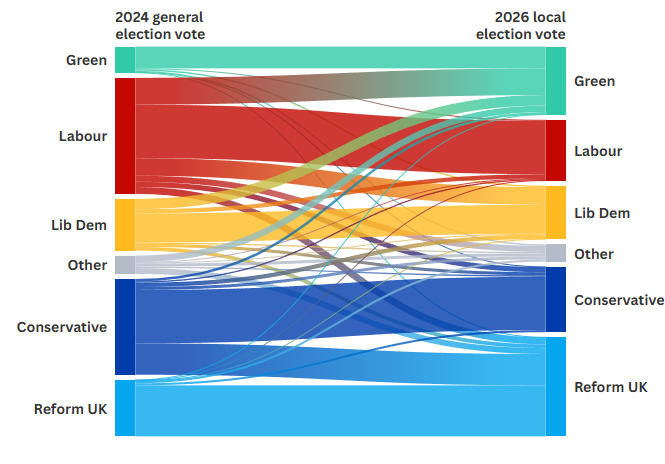 Where Labour’s 2024 voters went in the 2026 local elections. Source
Reform UK, for its part, became the chief beneficiary of protest from the right. Its rise has drawn mainly on former Conservative voters, but it is also hurting Labour, since the party is capturing the agenda around migration, the cost of living, and distrust of elites.
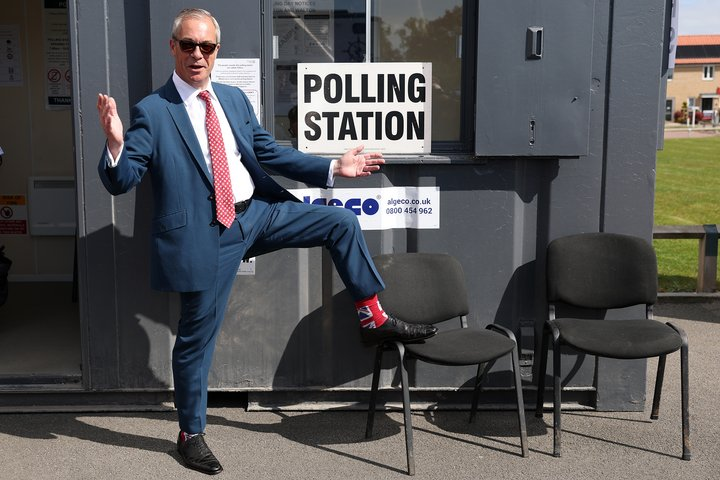 Reform UK leader Nigel Farage near a polling station. Source: AP/Richard Pelham
In Scotland, too, Labour failed to turn its 2024 UK-wide win into a stable regional force. After the 2026 Scottish Parliament election, the Scottish National Party retained first place with 58 seats, while Reform UK and Labour tied for second, each taking 17 seats. The very fact that Reform UK matched Labour in Scotland — where Britain’s right-wing populist politics has traditionally had far less room to grow — shows just how deep the fragmentation of the party system has become.
Taken together, the 2026 local and regional elections revealed three parallel processes. First, Labour lost its status as the natural alternative to the Conservatives, since it has itself become the party of government, held responsible for unpopular decisions. Second, Reform UK turned right-wing protest into real electoral infrastructure, gaining seats, council control, and standing as a serious contender for the 2029 general election. Third, the Greens emerged as the left-progressive alternative for those who wanted a different course on social policy, climate, public services, and inequality.
Starmer’s defeat, coming on top of the Conservatives’ earlier collapse, points to a broader transformation of British politics. After Brexit, the pandemic, inflation, Conservative scandals, and disillusionment with Labour, voters trust the old two-party mechanism less and less. Reform UK offers voters the answer of right-wing populism. Where Farage’s party was once primarily a way to punish the Conservatives for broken promises, control of 14 local councils has now given it an actual platform to govern, effectively starting its transition from a situational protest brand into a party laying claim to real power.
This does not yet mean voters fully trust Reform UK as a future party of government. It is more of a conditional test: voters are checking whether the party can be something more than a media project. Failure at the local level would push it back to the margins. But if it shows even minimal effectiveness, by the 2029 general election it will be able to speak not only the language of protest but the language of experience.
With the Greens, the situation is different. Their success means that part of the left-wing and progressive electorate no longer sees Labour as the sole natural representative of its interests. Their path forward, then, lies in systematically building a reputation through sustained pressure on Labour.
On 22 June 2026, Keir Starmer announced that he was stepping down as Prime Minister and leader of the Labour Party. For Britain, this is already the seventh prime minister in a decade; for Labour itself, it is the first change of prime minister while the party has held power since 2007, when Tony Blair was succeeded by Gordon Brown. Starmer’s resignation closes not only his own political story but the first chapter of the Labour experiment that began with the 2024 election.
Legally, this resignation does not automatically trigger an early general election. Under Britain’s parliamentary system, the prime minister is whoever can command the confidence of a majority in the House of Commons. Since Labour still holds its parliamentary majority, the party’s new leader can become prime minister without a fresh nationwide vote. Politically, though, this will be a weak point for the new government: Nigel Farage’s party and the Conservatives will almost certainly present Starmer’s successor as a prime minister without a direct electoral mandate.
The internal Labour procedure is relatively straightforward. Once a leader resigns, a leadership race opens; a candidate must be a sitting MP and secure the backing of 20% of the parliamentary Labour party. If several candidates qualify, the contest moves to a vote among party members and affiliated organisations. If only one candidate remains, the party can get a new leader without a lengthy campaign. Starmer announced that nominations would open on 9 July and close by 16 July; in the event of a contest, a new leader is expected by September, but under the more likely single-candidate scenario, the handover could come as early as mid-July.
The frontrunner to succeed him is Andy Burnham, known by the nickname "King of the North," which stuck to him during the COVID-19 pandemic, when as Mayor of Greater Manchester he openly clashed with central government over lockdown restrictions. On 18 June 2026 he won a by-election in Makerfield and returned to the House of Commons. This was a pivotal moment, since his main obstacle until then had not been his popularity but a procedural rule: the leader of the Labour Party must be a sitting MP. Once he won, that barrier disappeared. What’s more, at the moment of Starmer’s resignation, Burnham was the only MP who had formally confirmed his intention to run for the leadership.
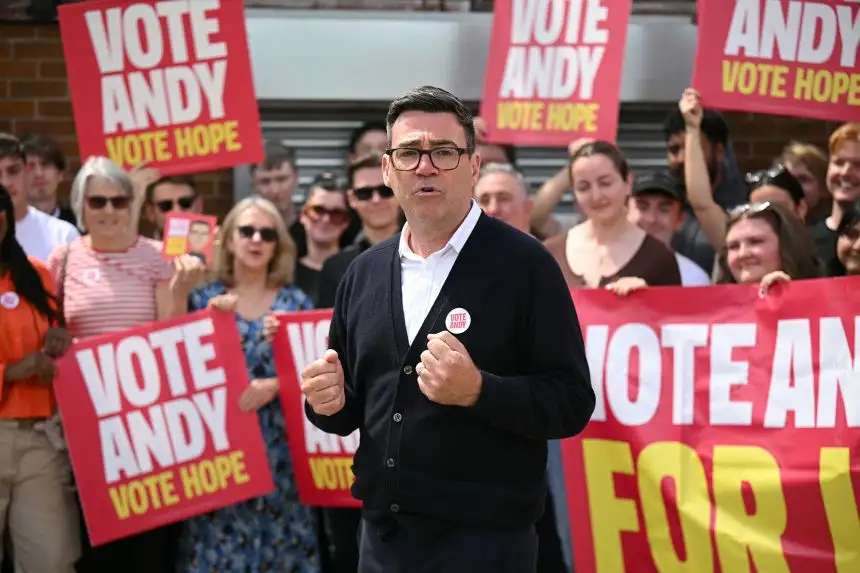 Andy Burnham addresses supporters outside the Labour Party campaign office, 18 June 2026. Source: Getty Images
Yet Burnham’s strong image does not resolve the central question: why should voters trust Labour again? A change of leader can fix the tone, style, and messaging, but it will not undo the constraints that broke Starmer’s government. Like Starmer before him, Burnham will inherit weak economic growth, high taxes, overstretched public services, migration pressure, a fractured voter coalition, and above all, very little room to fix any of it.
An important sign of coalition-building came from Wes Streeting’s position. On 22 June, he declined to enter the leadership race himself and endorsed Burnham. This effectively removed the last obstacle to a swift transfer of power. Streeting could have run as the candidate of the party’s moderate, centrist, reformist wing. His political image is tied not to left-wing populism but to a course of modernising public services, fiscal caution, and a tougher managerial style, especially since his resignation as Health Secretary. But challenging Burnham once he had already become the favourite of the parliamentary party and its membership would have looked almost hopeless. So backing Burnham is, for Streeting, a way of preserving his influence and, likely, a place in the future government.
Angela Rayner remains an important figure but does not currently look like a central contender. Her strength lies in her ties to the party’s working-class and trade-union wing — precisely the part of Labour’s identity that Starmer had gradually eroded. Her weakness is that she offers no better answer to the fraction’s main fear: how to halt Farage’s advance without losing the progressive electorate at the same time. If Rayner chooses not to run against Burnham, that would be a rational choice. It would let her preserve her political capital, avoid a fight she could well lose, and position herself for a strong role in the new government.
Other possible candidates are more figures of internal balance than genuine frontrunners. So the real question is no longer who might beat Burnham, but whether anyone will even try to turn his near-inevitable rise into a genuine contest.
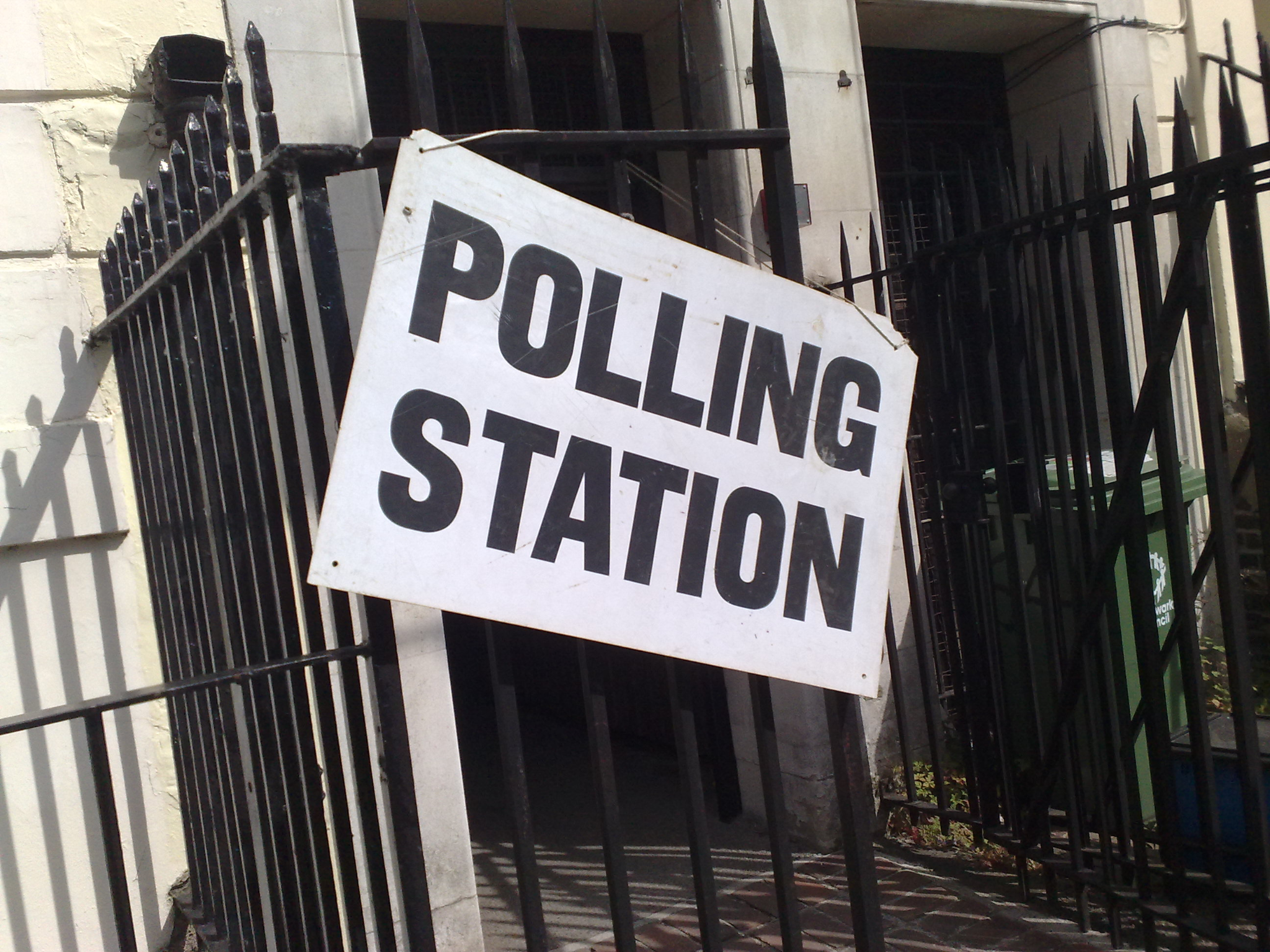 A polling station in Britain. Source: Wikimedia Commons / secretlondon123
Economically, he does not yet have a full national programme, but the contours of his approach are already visible. Starmer’s politics were built around fiscal discipline, market confidence, and the gradual rebuilding of the state. Burnham, by contrast, places the emphasis on a more active role for the state: infrastructure investment within fiscal rules, wider devolution, regional industrial policy, social housing, and greater public control over basic services.
For Ukraine, a Burnham premiership would not mean a sharp reversal. He has publicly supported Ukraine since the start of the full-scale invasion. But support for Ukraine could become more politically costly domestically, especially ahead of the 2029 election. Reform UK will almost certainly argue that money should be spent on domestic problems first. That means Burnham will have to justify support for Ukraine not just morally but strategically — as part of European security, deterring Russia, and defending Britain’s own interests.
On Europe, Burnham is likely to continue a cautious rapprochement with the EU, without attempting a quick return of Britain to the Union, as he has said before. In his own words, he will not try to bring the country back into the EU, since he wants to focus on "fixing" Britain itself. Communication with the US will likewise be forced into pragmatism: with Washington less willing to guarantee European security, a Burnham-led Britain will have to lean more heavily on its European allies.
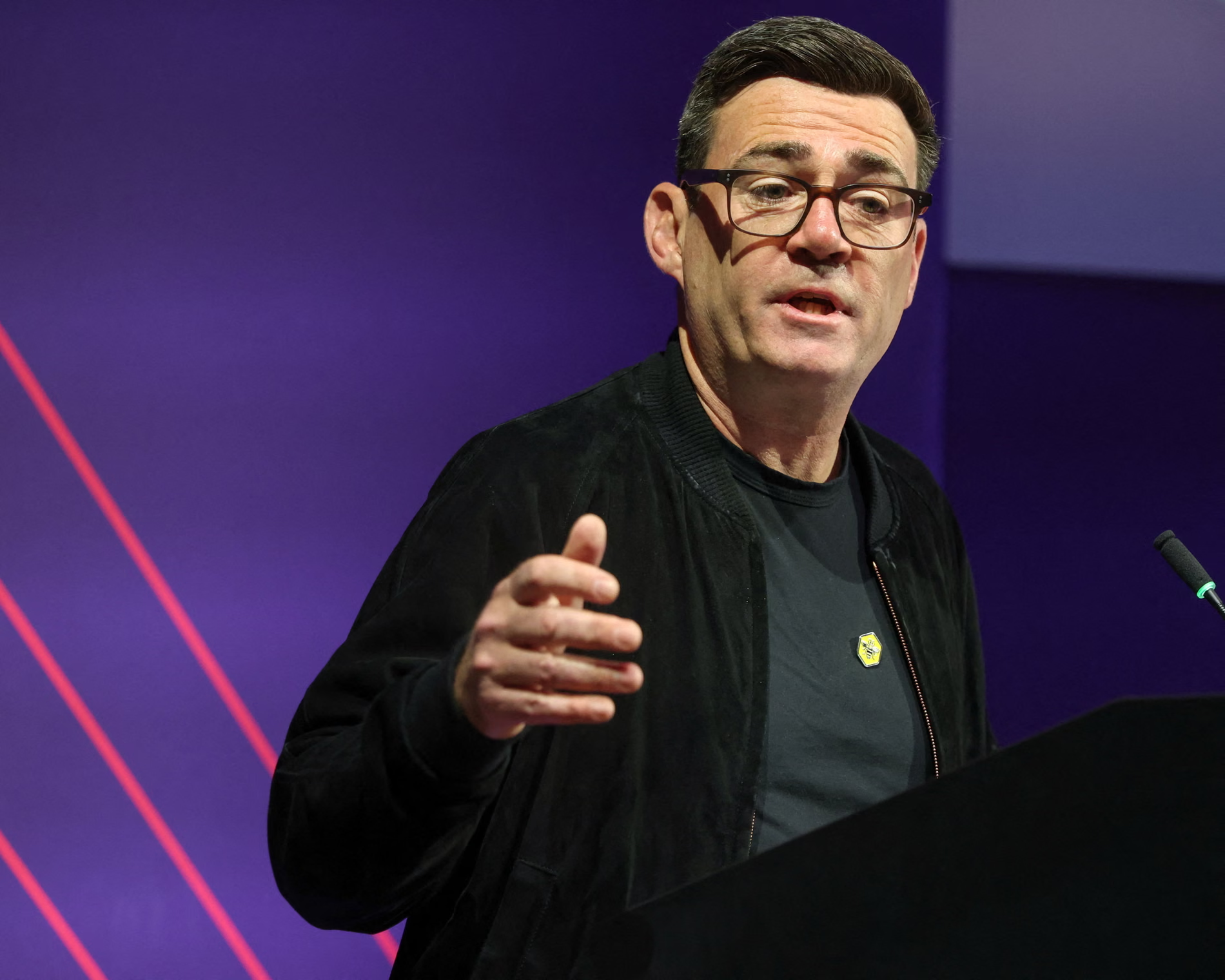 Andy Burnham said: "Let’s fix our own country. Let’s make it work again." Photo: Phil Noble/Reuters
Labour’s crisis after the 2024 election is not simply Starmer’s personal crisis. Its root cause is the collapse of the electoral coalition that brought the party to power. Labour won on a wave of fatigue with the Conservatives, but that victory never translated into deep trust in the party itself. Once the government ran into serious problems, different parts of the electorate began looking for other options.
At the same time, Labour’s unpopularity does not automatically bring the Conservatives back. They remain part of the same crisis of trust. Instead, space is opening up for forces that promise to punish both traditional parties. The main beneficiaries of distrust in the establishment are Reform UK and the Greens.
Britain’s governing crisis has its own specific causes, but it is not entirely unique. The rise of Reform UK fits a broader European trend of strengthening right-wing populist parties that campaign on migration, distrust of elites, the cost of living, and loss of control. Britain’s particular twist is that Brexit was already one such right-populist breakthrough, yet part of the electorate never got the outcome it was promised.
The prospects of the traditional parties depend on their ability to rebuild trust in their own competence. For Labour, Burnham could be a chance to relaunch — but only if he offers a real answer to the problems that have built up in Britain.
If the traditional parties cannot restore that trust, the 2029 election may turn out to be not another swing of the usual two-party pendulum, but a test of whether the old British party system can survive at all.
You may be interested