 INTERNATIONAL
INFORMATION AND ANALYTICAL
COMMUNITY


+ Join
Support INTERNATIONAL


Viktoriia Balatska, intern at the Resurgam Center focusing on South American countries
On February 24, 2022 –the day Russia launched its full-scale invasion – Chile explicitly aligned itself with Ukraine. Then President-elect Gabriel Boric condemned “the invasion of Ukraine, the violation of its sovereignty, and the unlawful use of force,” stating that “Russia has chosen war as a means of resolving conflicts.” He added that “our solidarity lies with the victims, and our modest efforts will be directed toward peace.” During his presidency, Boric consistently maintained a strong focus on Ukraine, particularly at international forums.
So, what should be expected from the new president’s foreign policy, particularly in the context of Ukraine?
Chile’s previous president, Gabriel Boric, consistently expressed support for Ukraine. Chile voted in favor of the United Nations General Assembly resolution of March 2, 2022, which condemned Russia’s invasion.
Boric kept the issue of the war high on the international agenda and encouraged other states to condemn Moscow’s actions. His position on Ukraine was embedded in the broader logic of his foreign policy—namely, the promotion of human rights, international law, and democratic principles. Thus, at the 2023 EU–Latin America summit, he emphasized: “What is happening in Ukraine is an unacceptable war driven by imperial aggression, in violation of international law.”
At the 2023 XXVIII Ibero-American Summit, the annual meeting of heads of state and government of 22 countries from Latin America, Spain, and Portugal dedicated to cooperation issues, President Boric publicly condemned Russia’s invasion of Ukraine and stressed that the world must not become accustomed to the war. He stated: “It is important to respect international law, and in this case it has been clearly violated not by both sides, but by one that is the aggressor: Russia.” He also criticized leaders who avoided explicitly characterizing the war: “I understand that the joint declaration was blocked (the joint statement of participating countries on the summit’s outcomes, which also included a section on the position regarding the Russia–Ukraine war), because some do not want to say that this is a war against Ukraine.”The president further emphasized the inadmissibility of the “both sides are to blame” framing promoted by some countries, including Brazil.
As a result, the final text of the EU–CELAC declaration included only a formulation expressing “deep concern over the war against Ukraine,” without explicitly condemning Russia as the aggressor. This compromise allowed consensus among most countries, but avoided the narrative of “equal blame on both sides.”
At the same time, domestic dissatisfaction with Boric’s left-leaning policies was growing. The central issue became the migration crisis. Owing to Boric’s policy of supporting migrants from Venezuela, the number of foreigners in Chile rose to nearly 1.9 million people, accounting for around 10% of the country’s population, while 55% of Chileans believed that there were strong tensions between locals and migrants.The situation was particularly acute in the northern regions of the country, where migrants increasingly set up informal settlements, placing significant pressure on local communities.
Under these circumstances, foreign policy issues that do not have a direct impact on domestic stability – most notably the Russia-Ukraine war will probably be pushed further down the agenda. The new president, responding to a clear public demand for security, tighter migration control, and the restoration of public order, will be compelled to shift policy priorities toward internal challenges. This reorientation is not merely a political choice but also a reflection of the expectations of his electorate, for whom the fulfillment of campaign promises in socially sensitive areas takes precedence over an active foreign policy.
Boric himself was ineligible to run for a consecutive second term under Chilean law, which prohibits immediate re-election. The interests of the center-left were represented by Jeannette Jara, who served in Boric’s government. However, she received fewer votes than the candidate of the Republican Party, José Antonio Kast.
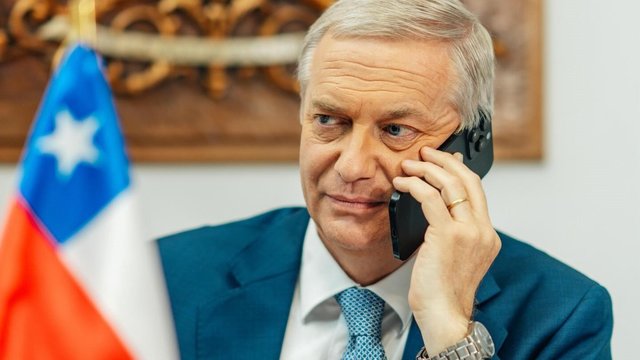
José Antonio Kast is a Chilean conservative politician who advocates a hardline approach to public security. He has stated that: “Chile is once again free from crime, free from suffering, free from fear… Chile needs order.”
Migration is one of the central pillars of his political agenda, which he links to rising crime rates, the expansion of the informal economy, and the consequences of weakened state control. Kast supports stricter border enforcement and deportation policies. He has argued that migration has “seriously affected Chile’s social and economic situation” and has proposed the creation of a “humanitarian corridor for the return of people to their countries of origin.”
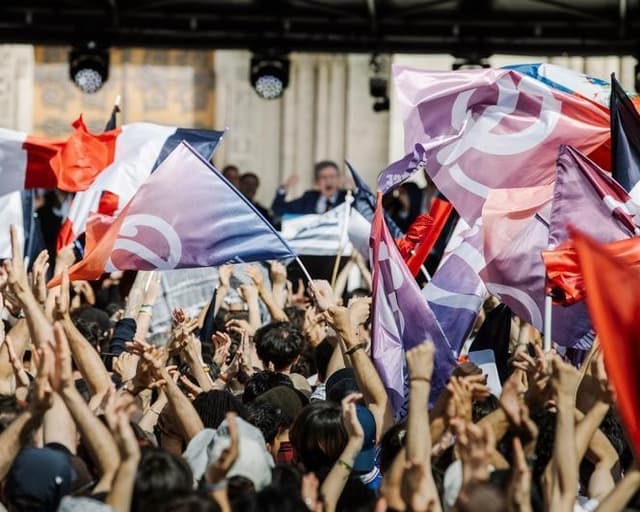
Following his inauguration, Kast began implementing his campaign promises. In his first week in office, he visited the northern part of the country to oversee the initial stages of constructing a border wall with Peru aimed at curbing illegal migration. In addition, Chile’s Minister of Defense met with counterparts from Ecuador, Argentina, and Paraguay. As a result, work was launched on an agreement between Chile and Argentina to establish a joint group to combat drug trafficking and smuggling.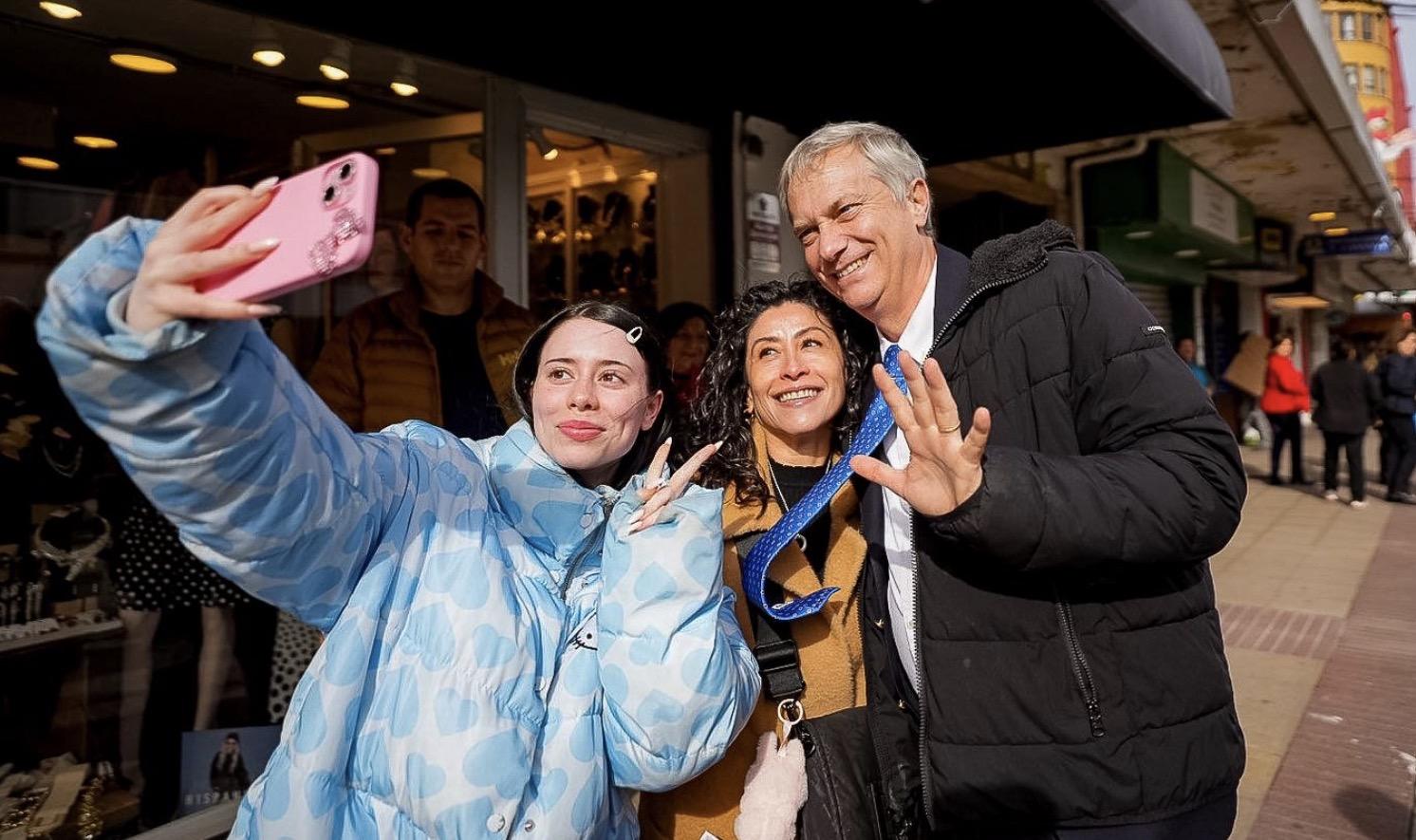 President Kast and his supporters. Source
To understand Antonio José Kast’s foreign policy, it is important to take into account his perceived affinity with Augusto Pinochet, the military dictator of Chile from 1973 to 1990. Although Pinochet’s regime is widely associated with severe repression, it also introduced market-oriented reforms. While Kast has not recently made explicit statements in support of the regime, in 1988 he called for voting in its favor. He has also recently appointed individuals to his cabinet who either worked with Pinochet or have expressed support for him.
This indicates a preference for a governance model characterized by strong executive authority and a focus on public order, where economic stability is prioritized over liberal values. Consequently, foreign policy issues, including Ukraine, may be deprioritized.
Domestic policy priorities under Kast directly influence Chile’s foreign policy orientation. A stronger emphasis on internal issues implies a relative reduction in foreign policy activism. In this approach, parallels may be drawn with Donald Trump’s policy style, particularly in its focus on domestic security and state capacity. This course may result in greater attention to security-related issues. However, Kast is unlikely to address challenges such as illegal migration or smuggling unilaterally, as more effective outcomes require cooperation with neighboring states.
Potential partners in this regard include other right-leaning governments in the region, such as Argentina. The two countries are linked not only by plans for joint border control but also by Kast’s potential emulation of economic reforms similar to those implemented in Argentina under President Javier Milei.
At the same time, relations with Peru are experiencing increased tension as a result of the construction of a border wall. Kast’s effort to curb migration creates a risk that migrants may become “stranded” in Peru. In addition, policies aimed at returning migrants could further strain the situation in Peru. In this context, continued bilateral communication will be necessary to assess whether the two countries are able to find common ground and reduce tensions.
While the previous administration emphasized human rights and ideological solidarity with countries that uphold them, the new foreign policy course will probably be grounded in national interests and a stronger focus on economic development. This implies a reduced role for moral considerations and a greater emphasis on practical outcomes such as trade and migration control.
At the regional level, this may lead to a degree of distancing from left-leaning governments in Latin America, including Brazil, Colombia, and Bolivia. Given these priorities, José Antonio Kast’s regional policy will probably focus on the development of bilateral agreements based on economic benefit and security stability.
At the global level, Kast is oriented toward the United States, particularly toward the political approach associated with Donald Trump. Kast’s views overlap to a significant extent with elements of “Trumpism,” making him a potentially compatible partner for Washington in the region. At the same time, his foreign policy orientation is driven less by personal affinity with the American leadership and more by an emphasis on building a strong nation-state centered on internal order and sovereignty. Thus, despite ideological proximity to Trump’s approach, Kast retains autonomy in decision-making and is not fully dependent on the United States’ position.
Today approximately 40% of Chile’s exports are directed to China, which creates a risk of economic dependence. The United States ranks second among buyers of Chilean goods, although it seeks to shift this balance.
In addition to Chile’s traditional partners – China and the United States – the European Union has also been increasing its attention to the region. This is probably driven by the growth prospects of South American economies and the presence of still relatively underdeveloped markets. The EU has already signed a free trade agreement with the Mercosur countries. Although Chile is not a member of this bloc, it holds associated status. It may be assumed that cooperation between the EU and the region will continue to deepen, especially given the EU’s official confirmation of its intention to expand economic engagement with Chile.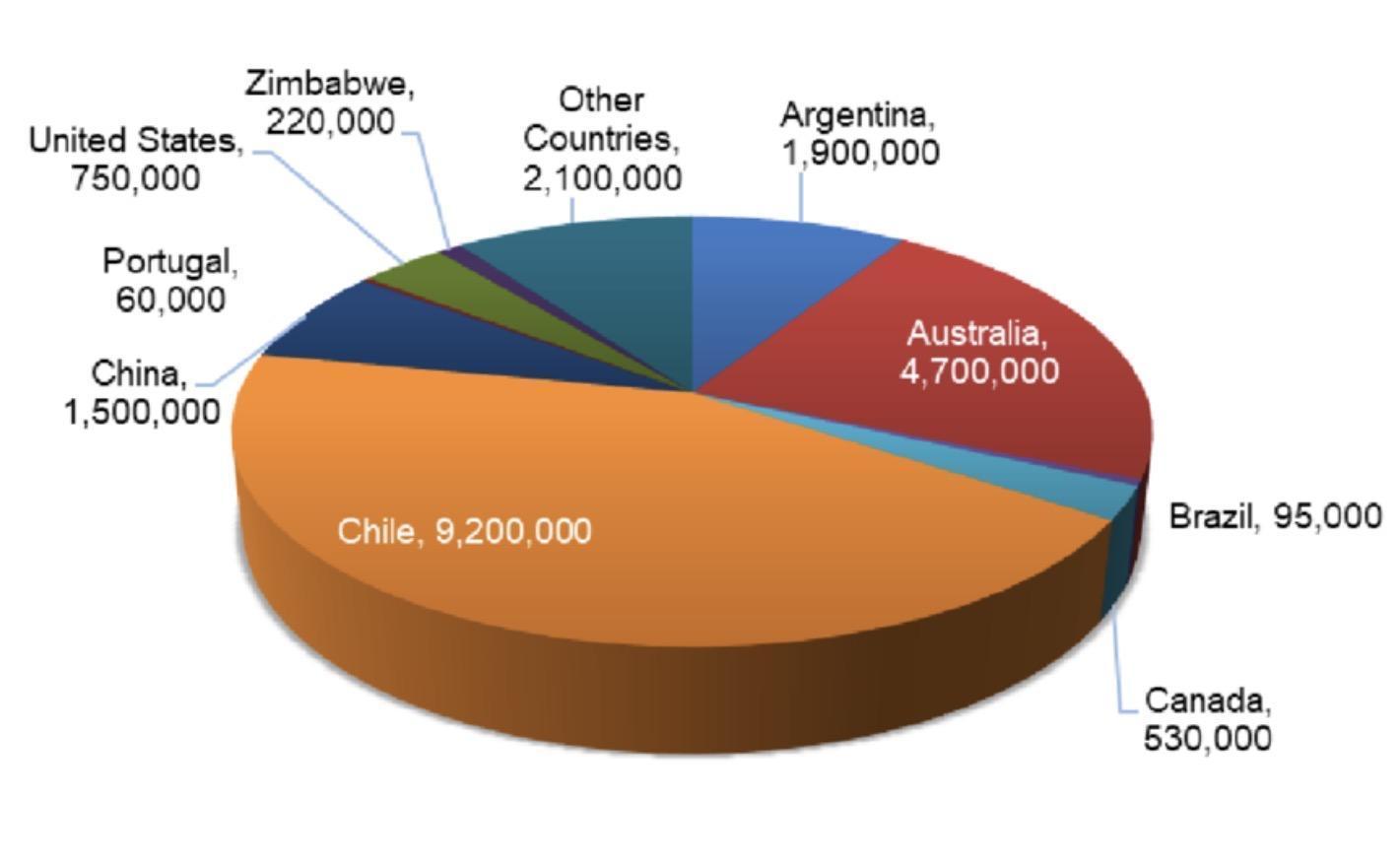 Global lithium reserves by country (in tonnes of lithium), according to the U.S. Geological Survey (USGS), 2021. Source
Overall, Chile will probably keep its cooperation with China as a key trading partner. However, under a new ideological orientation, it may become more attentive to the positions of the current White House administration and place greater emphasis on the European market. In this context, it is important for Ukraine to expand its relations with “non-traditional” partners in its diplomatic practice. This would allow it to broaden its influence in new regions and identify additional trade partners.
Under Boric, Chile openly supported Ukraine, and public sentiment among ordinary citizens was also largely sympathetic. At the Peace Summit in Switzerland on June 15, 2024, Boric stated that Chile was ready to contribute to humanitarian demining efforts in Ukraine once the war is over.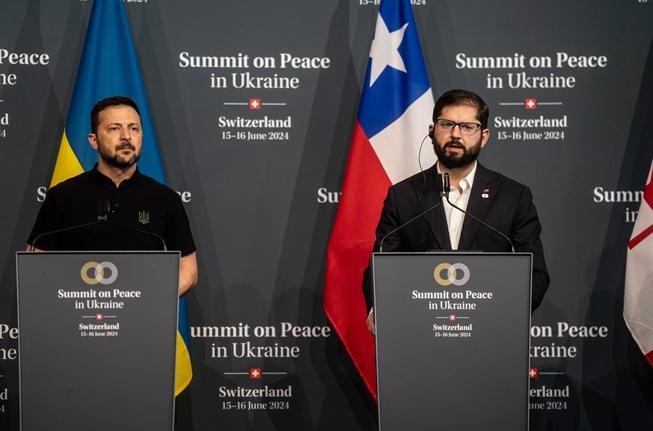 Speech by President Boric at the Global Peace Summit in Switzerland in 2024. Source
Therefore, it is unlikely that the new Chilean leader will take openly pro-Russian steps. The country is interested in maintaining its image as a predictable partner and adhering to international law. For Chile’s economy, it is important to sustain stable relations with the West, since despite China’s large share in Chile’s exports (approximately 40%), the United States are ideologically closer to Kast than communist China. Moreover, the United States is Chile’s second-largest export market (16%). In addition, the U.S. provides both economic incentives and political conditions that make a gradual distancing from China more advantageous.
Despite potential changes in Chile’s foreign policy, the key issue for Ukraine is not limited to the level of official support.
A shift in Chile’s political leadership is important not only in terms of bilateral relations, but also in the context of maintaining Ukraine’s strategic visibility in the region. Preserving even moderate support from Latin American countries, along with continued discussion of Ukraine at various regional conferences and summits, allows Ukraine to remain visible and gradually limit the influence of Russian propaganda.
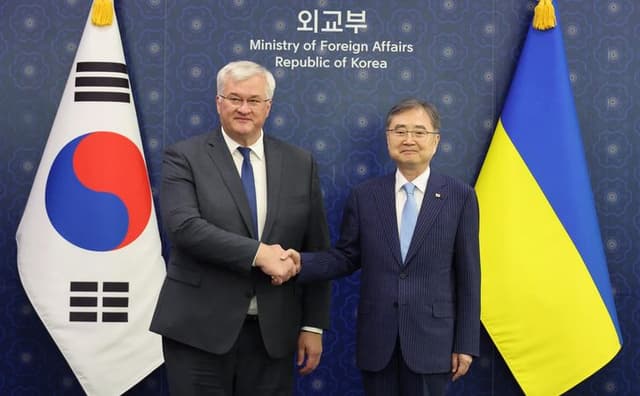
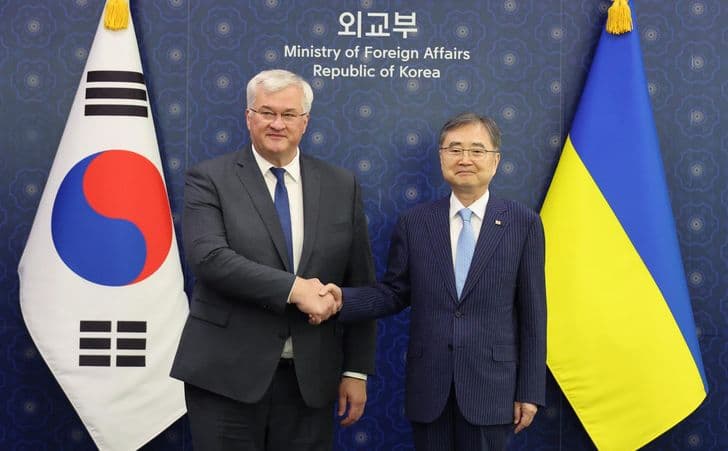
Ukraine’s Foreign Minister Andrii Sybiha attended the inauguration of the new President of Chile, where a bilateral meeting also took place. According to the Minister, the newly elected President of Chile assured him that “Chile’s support for Ukraine remains unwavering.” Although some adjustments in bilateral relations may be expected, Sybiha’s post-visit statements helped alleviate concerns about any significant shift in Chile’s foreign policy toward Ukraine.
In the coming years, Chile is expected to maintain a moderately pro-Ukrainian stance. However, the main focus of the new administration will probably remain on domestic priorities, which may reduce the country’s engagement in regional initiatives in support of Ukraine.
Potential areas of cooperation between the two countries may include agricultural collaboration, as stated by Sybiha during his meeting with José Antonio Kast. Other possible areas include the exchange of experience in the digitalization of public services, as well as cooperation in critical minerals and the processing industry.
Chile is one of the most stable democracies in Latin America, with a reputation as a predictable international partner. In the context of uneven responses to Russia’s war against Ukraine across Central and South America, Chile’s position makes it an important regional actor for Ukraine. For instance, Chile and Peru supported the UN resolution condemning the war in Ukraine, while Nicaragua voted against it, and countries such as Brazil, El Salvador, and many others abstained.
Although humanitarian aid to Ukraine from other countries, particularly Argentina, has been more substantial, Chile has not remained passive and has periodically supported Ukrainian political statements at the international level. Chile is also an active member of CELAC, serving as a regional mechanism for political coordination and cooperation among Latin American states. At the same time, Chile’s ability to shape a consolidated regional position is limited due to the structural weight of the region’s leading economies – Brazil and Argentina.
A change of president in Chile will not lead to a radical revision of its foreign policy course toward Ukraine; however, it will affect its intensity and nature. While under Boric the support for Ukraine formed part of a value-based foreign policy, under Kast it will probably shift into a less prioritized area, as the main focus will be directed toward domestic security, migration, and economic stability. This means that Chile will probably keep voting in favor of pro-Ukrainian resolutions and avoid pro-Russian positions, but will less frequently act as an initiator of political statements or international initiatives in support of Ukraine.
At the same time, opportunities for developing bilateral relations remain available in practical sectors such as agriculture, digitalization, and critical minerals. The transition of relations into a more pragmatic framework is a key condition for maintaining Chile’s interest in Ukraine.Otherwise, the level of engagement will probably decline to formal diplomatic support without substantial content.
You may be interested