 INTERNATIONAL
INFORMATION AND ANALYTICAL
COMMUNITY


+ Join
Support INTERNATIONAL



Elizaveta Samsonova, expert in international relations, member of IAPSS, intern at the “Resurgam” Center for the Asia-Pacific track.
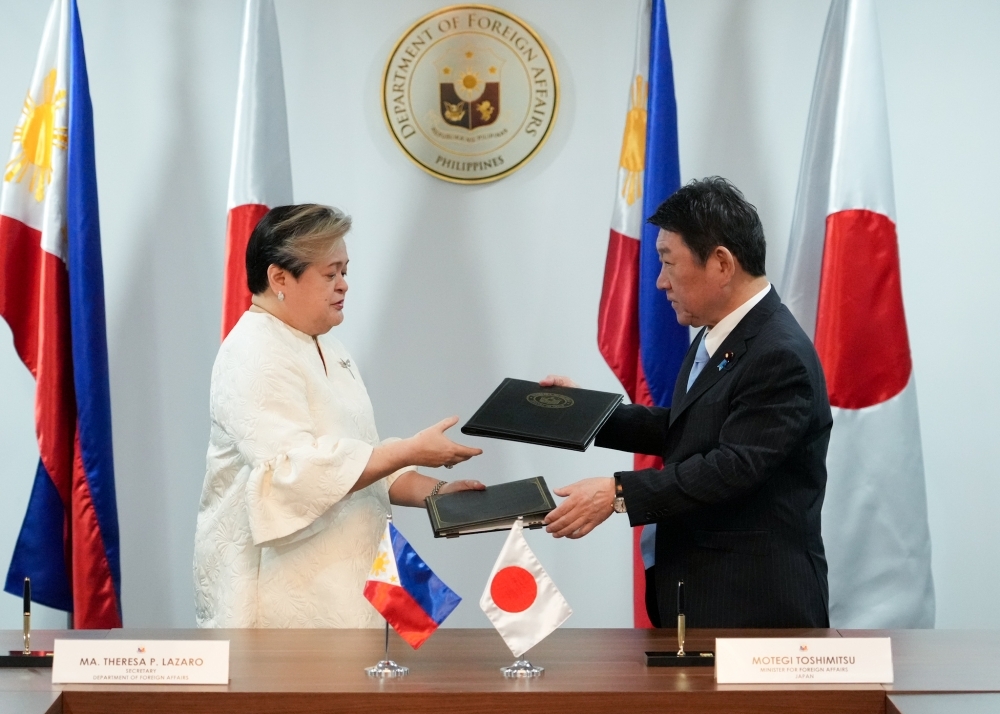 Photo: AP
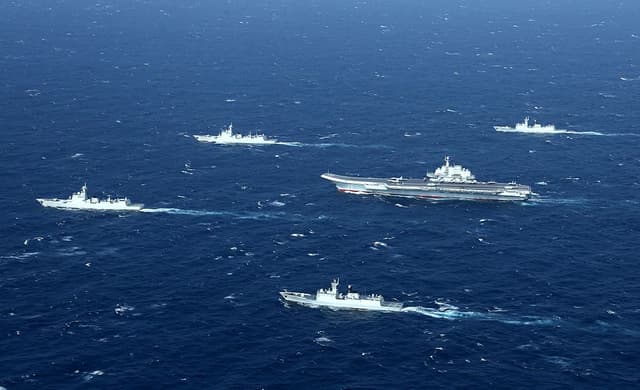
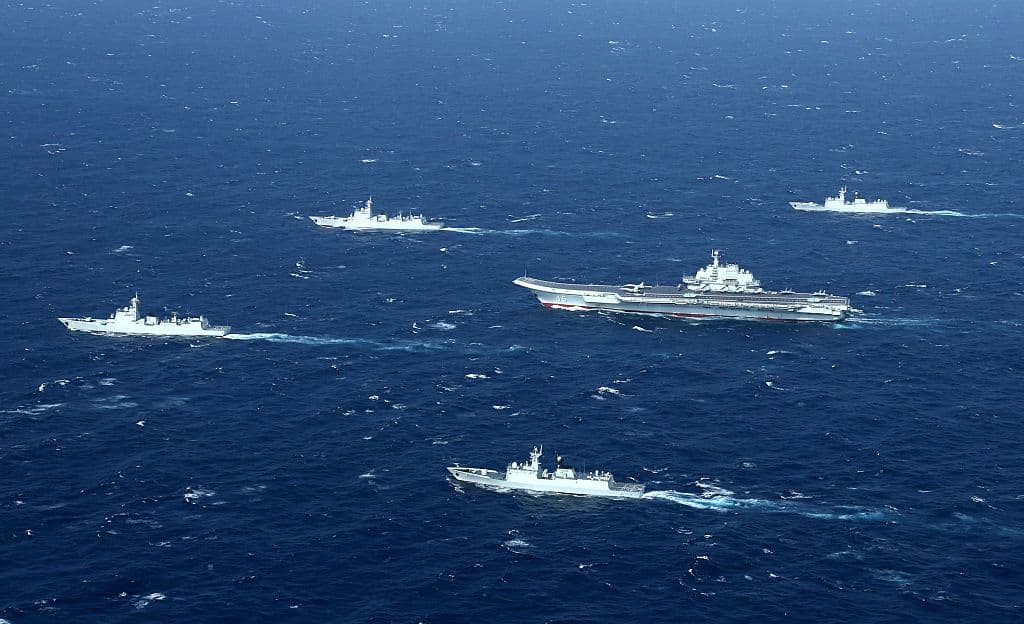
This was an event that went far beyond bilateral diplomacy and indicated a shift away from the traditional security model in the region, where countries relied primarily on the United States. Now Japan and the Philippines are creating their own axis of cooperation, which is a direct response to China's new blockade tactics in the South China Sea, complemented by US participation.
Let's take a closer look at this agreement.
The document creates a simplified legal mechanism for the mutual provision of fuel, food, spare parts and maintenance services directly in the military ports of both countries. Instead of returning to service bases in Japan, Japanese destroyers will be able to refuel and carry out minor repairs at Philippine facilities. In addition, Japan is actively funding and supporting the modernisation of Philippine radar systems to form a maritime awareness network that provides continuous real-time data exchange on the movements of Chinese forces.
The agreement is a practical implementation of the updated National Security Strategy adopted by the Japanese government at the end of 2022. The document marked a historic departure from the policy of ‘exclusively defensive security’ in favour of a strategy of economic stability through proactive deterrence of destabilising actions by revisionist states. In this context, the ACSA agreement solves a key problem for the Japanese navy: logistical sustainability. With access to Philippine ports for refuelling and resupplying ammunition, Japanese destroyers can now operate autonomously in the South China Sea, establishing a permanent presence in critical areas to deter the PRC navy and ensure the safety of shipping in the interests of the Japanese economy and regional stability.
For Japan, military and political rapprochement with Manila has a clear economic basis, as the stability of energy and critical raw material supplies has become a question of national security and, indeed, the economy. The agreement with Manila is important against the backdrop of possible destabilisation of trade routes, as the Japanese economy is vulnerable to any navigation disruptions in the area between Taiwan and the Philippines. Thus, after the large-scale manoeuvres of the People's Liberation Army of China called ‘Joint Sword-2025’ at the end of last year, during which Beijing worked out a scenario for establishing an anti-access/area denial (A2/AD) zone and isolating sea corridors, the threat moved from the theoretical to the practical realm.
Under such conditions, even a limited halt in the supply of strategic raw materials, in particular rare earth metals, would cost Japan 0.9% of its GDP on an annual basis. However, this figure does not reflect the real scale of the threat. In fact, the automotive and electronics sectors, which account for more than 20% of national exports, are under threat.
More than 80% of Japan's energy imports, including oil and gas, pass through the Luzon Strait, which connects the Philippine Sea and the South China Sea and is the main maritime corridor between Taiwan and the Philippine island of Luzon. Japan's ability to guarantee navigation in this critical area provides a real foundation for stabilising the yen and government bond yields, especially in the current financial turmoil, with the yen hovering around the critical 160 per dollar mark. Therefore, access to Philippine infrastructure allows Tokyo to supplement the currency interventions of the Ministry of Finance and the Bank of Japan with direct physical control over the security of supplies.
Even a short-term halt in imports of lithium-ion batteries and semiconductor boards, 90% of which are transported by these sea routes, is critical. A probable complete maritime blockade lasting more than three months — the period during which state and corporate reserves will be depleted — will inevitably lead to the structural collapse of the automotive and electronics industries. Even a short-term shortage of critical components could halt production lines after just eight weeks of isolation. The scale of the potential decline is confirmed by the experience of previous crises, when production in the automotive industry fell by 15.3% and in the electronics sector by approximately 10% in the first months of the shortage of critical electronic components and chemical raw materials.
In this context, the ACSA agreement is a signal to global markets that Japan is prepared to use military force to ensure the stability of its strategic trade routes.
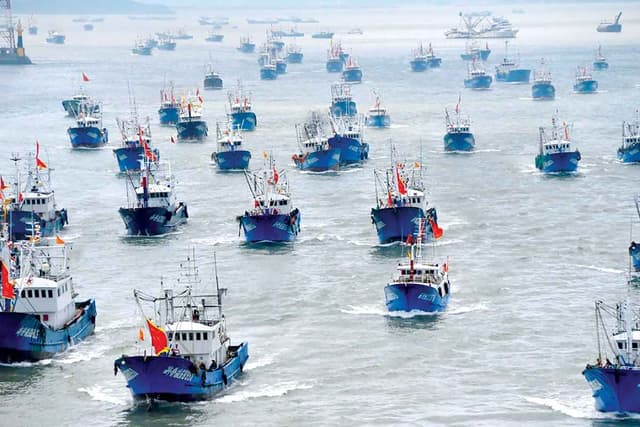
For Manila, the criticality of the agreement is due to Beijing's new ‘maritime militia’ tactic. Specifically, the mobilisation of 1,400 Chinese vessels to create 200-mile barriers in January 2026 confirmed the risk of complete strategic isolation of the Philippines. The ACSA agreement allows the Philippine navy to refuel and repair directly from Japanese units, ensuring a long-term presence at sea to counter the Chinese blockade without the need to return to remote bases. In addition to the threat of blockade, Manila is driven by an acute need for energy independence. This agreement secures the exploration of resources off the coast of Reed, where there are large deposits of gas and oil, which China opposes.
The agreement establishes a layered defence system: Japanese Type-12 anti-ship missiles with an increased range of up to 1,000 km, which in December 2025 confirmed their full combat readiness on Yonaguni Island (just 110 km from Taiwan), are now technically ready for integration into a single strike complex with Philippine forces. The integration is backed up financially: Japan's allocation of 900 million yen as part of a programme to modernise Philippine radars will create a single field of awareness in the maritime space. In fact, the allies are forming a ‘transparent space’ where any manoeuvres by the Chinese fleet are recorded in real time, negating the element of surprise that the PLA relied on during the ‘Joint Sword’ exercises.
It is expected that at the next summit, Japanese Prime Minister Sanae Takaichi and Philippine President Ferdinand Marcos Jr. might officially initiate joint military exercises, in particular Salaknib and Balikatan. The United States may also join them, which will contribute to the development of regular trilateral training and further cooperation in the field of security.
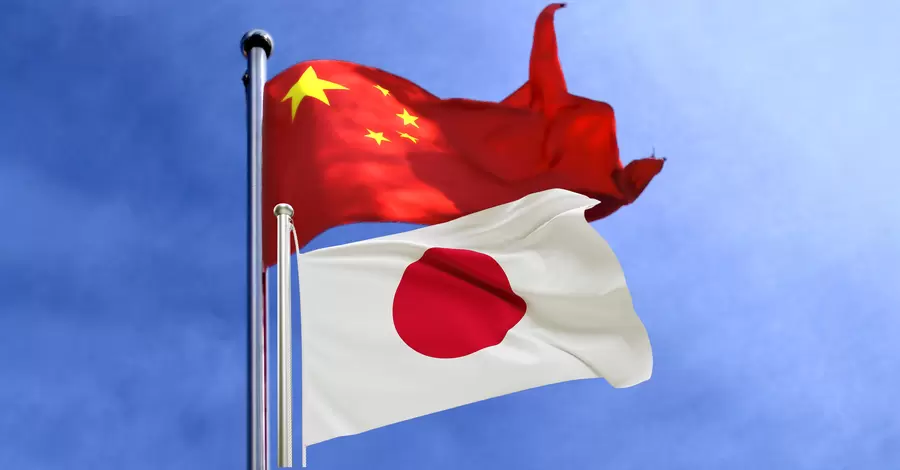
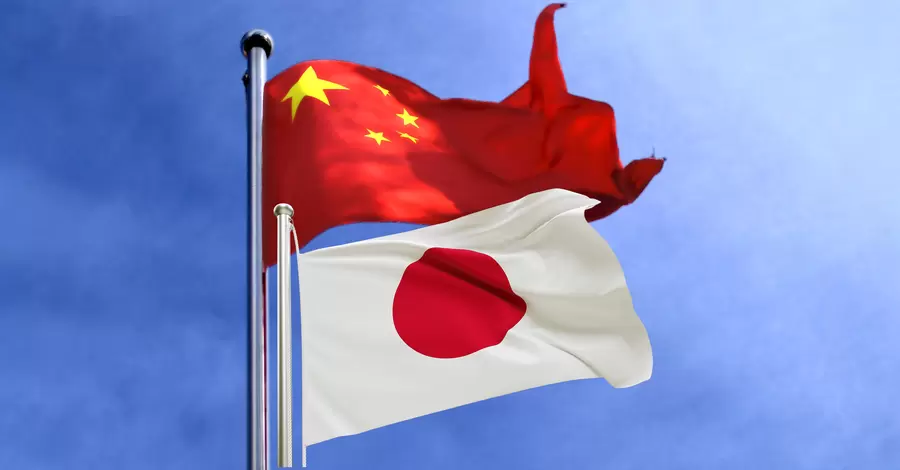
Beijing and Pyongyang perceive this deepening of military cooperation between the two countries as part of the formation of hostile blocs in the region. Despite the absence of a de jure collective defence alliance, the level of coordination between Japan and the Philippines has reached a point where, for opponents, the difference between a logistical partnership and a strategic alliance is becoming symbolic. Japan, abandoning decades of pacifism, is consciously integrating its Self-Defence Forces into the regional security architecture, geographically closing the circle around China.
The reaction of the autocratic ‘axis’ to these steps is remarkably synchronised and aggressive. Official Beijing has launched a massive information campaign to delegitimise the agreement, calling it “unequal” and accusing Manila of ‘playing with fire.’ However, the most alarming signal is the complete alignment of China and North Korea's narratives: both regimes are using the thesis of the aggressive expansion of the ‘Asian NATO’ to justify their own militarisation. In particular, according to satellite intelligence from January 2026, Beijing has moved to rapidly expand its military infrastructure on Entailop Reef in the Paracel Islands, where the installation of new radar stations and berths for landing ships is intended to ensure physical control over maritime communications. This indicates that opponents perceive the ACSA agreement as a point of no return.
In global terms, the formation of such a powerful ‘Southern Shield’ is strategically beneficial for world security, as it forces China to spread its resources across its own perimeter, objectively reducing its ability to provide logistical support to Russia in the war against Ukraine.
You may be interested