 INTERNATIONAL
INFORMATION AND ANALYTICAL
COMMUNITY


+ Join
Support INTERNATIONAL


Ostap Denysenko, a U.S. politics analyst, exclusively for Resurgam
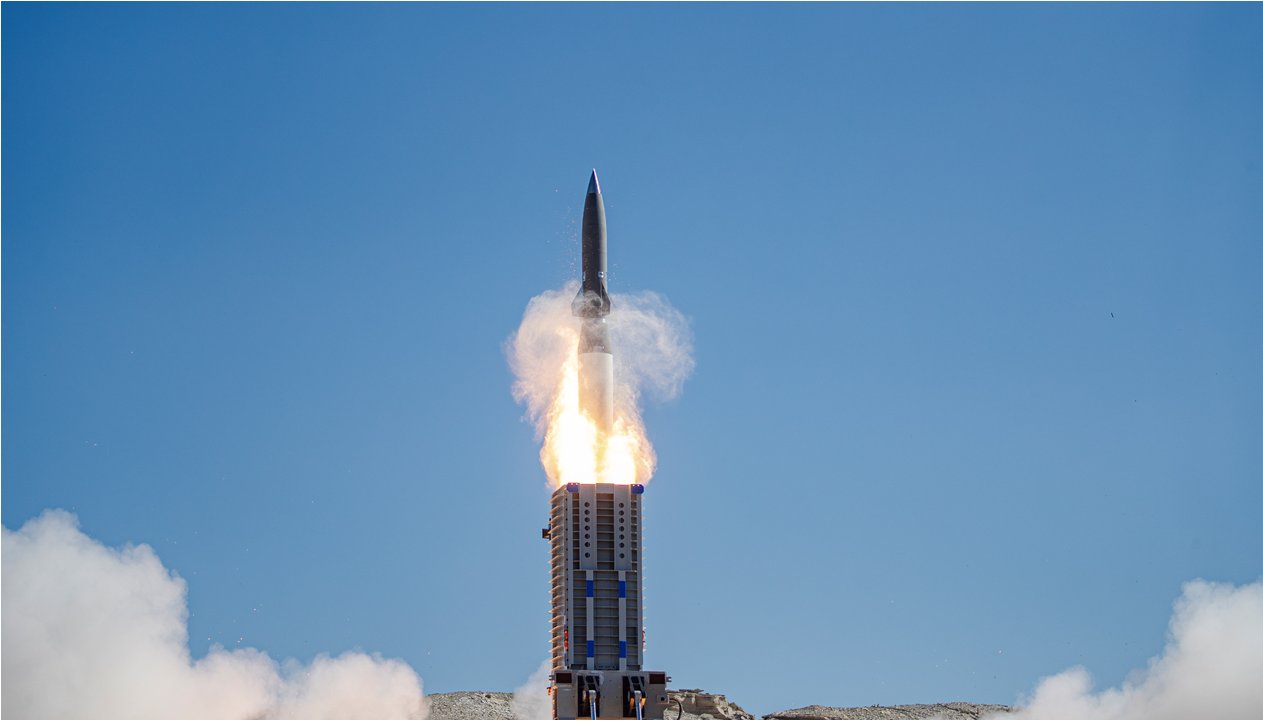 Test launch of the HVGP Block 1 missile. Photo: Japan’s Ministry of Defense
At first glance, the trauma of the US nuclear strikes in 1945 runs deep in Japanese society, and recent memories of the Hiroshima disaster are still fresh. But the security situation in the region may leave Japan's leadership with no choice but to change the country's long-standing position on nuclear weapons.
Japan is mostly surrounded by countries that possess nuclear weapons. Moreover, their attitude towards Tokyo is unfriendly. Japan is mostly surrounded by countries that possess nuclear weapons and are hostile towards the Japanese nation.
China has 600 nuclear warheads at its disposal, with an increase of 100 warheads per year (as of 2023). China also currently has six nuclear submarines and six submarines capable of launching ballistic missiles with nuclear warheads.
Russia has a nuclear triad of its own, which only the United States also possesses, besides Russia. Moscow has 5,459 nuclear warheads. And although questions have arisen in recent years about the state of Russia's nuclear potential, the danger it poses remains real and must be taken into account.
Despite the efforts of the civilised world, North Korea has managed to acquire nuclear warheads. It is believed that it currently has about 40-50 nuclear warheads. This is significantly less than the countries mentioned above, but such weapons in the hands of the Kim family regime are a menace. Recently, Pyongyang unveiled its first nuclear-powered missile submarine.
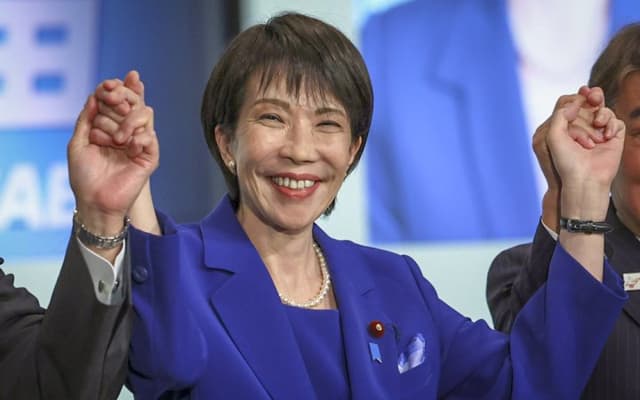
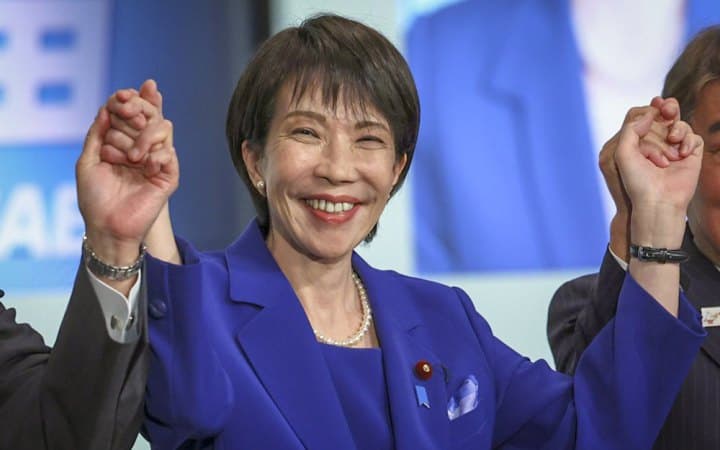
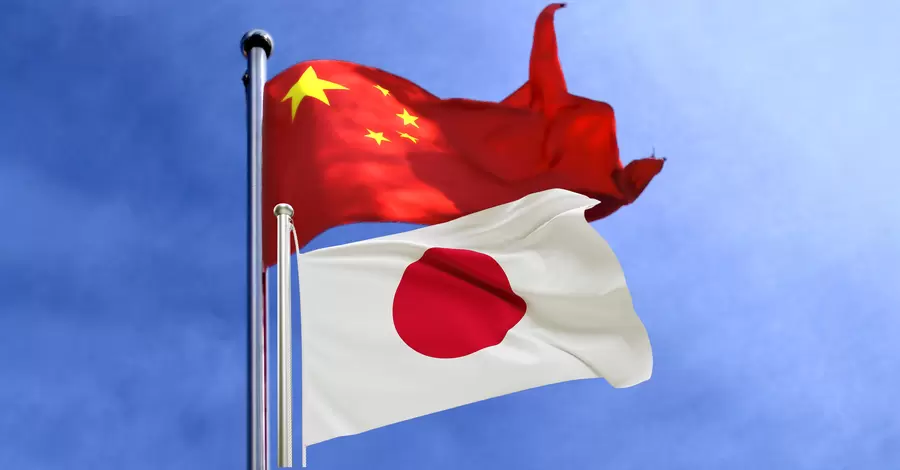
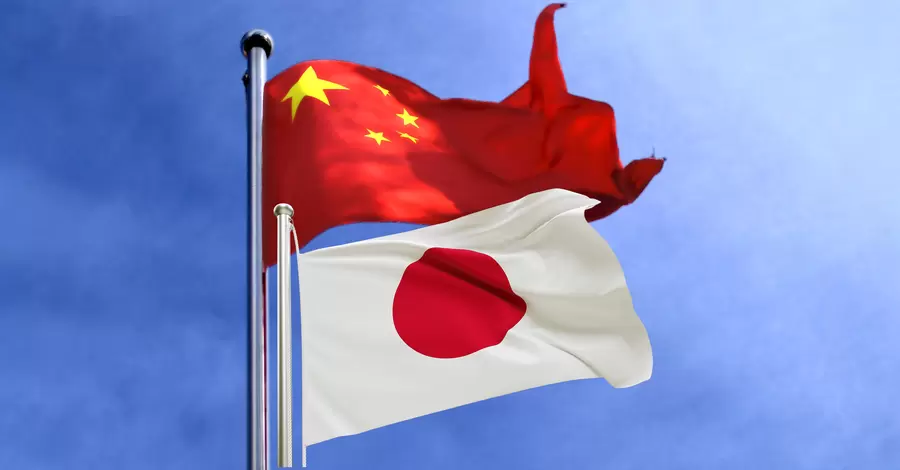
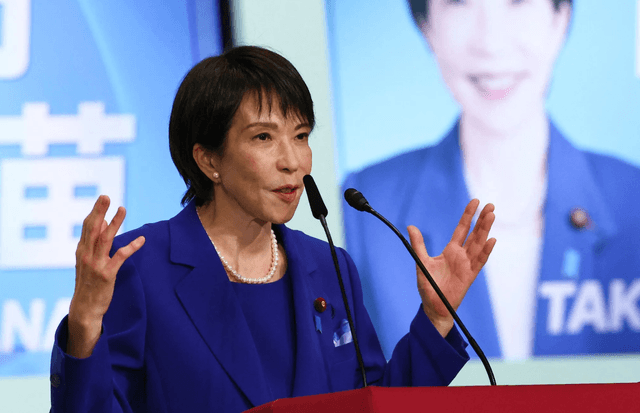
All three countries have their own conflicts with Japan. This was most clearly demonstrated by Beijing's reaction to Prime Minister Sanae Takaichi's statement that a potential invasion of Taiwan poses a threat to Japan. China began accusing Japan of militarism. Although China itself is constantly increasing its defence spending and intruding into Japanese territorial waters, it recently introduced export controls on dual-use goods to Japan, mainly rare earth metals. Japan imports 72% of its rare earth metals from China, so export controls pose risks to manufacturers and could cause production to slow down.
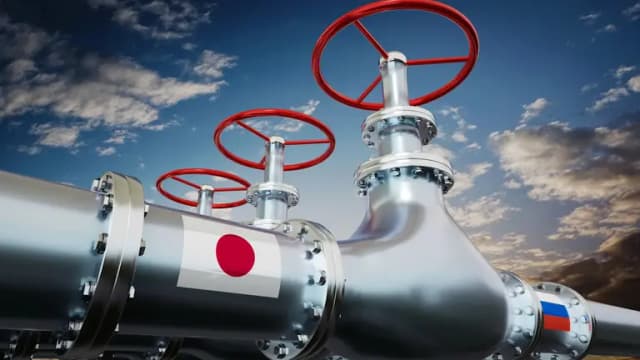
Russia makes no secret of its irritation with Japan's support for Ukraine. In addition, Japan and Russia are still formally at war because there is no peace treaty between the two countries. Moscow refuses to agree to return the Northern Territories (known in Russia as the Kuril Islands) to Japan.
North Korea and Japan have tense relations over the abduction of Japanese citizens by North Korean intelligence services. Japan claims that at least 17 of its citizens were abducted by North Korean agents in the late 1970s and 1980s, and reminds us of hundreds of other cases that remain unsolved. Only five citizens were returned in 2002.
Any military action by these countries against Japan poses enormous risks for Tokyo. Until this year, Japan relied on the nuclear capabilities of the United States. They have their own military bases in Okinawa, although they do not deploy their own nuclear weapons in Japan. But Donald Trump's silent response to China's diplomatic attacks on Japan has disappointed Prime Minister Takaichi and raises the question of whether the US can really be relied upon in the event of a military conflict.
The Japanese Prime Minister's office doubts the reliability of the current US administration. Therefore, a government representative involved in developing security policy has spoken out in favour of Japan developing nuclear weapons. The official stated that ‘ultimately, we can only rely on ourselves.’
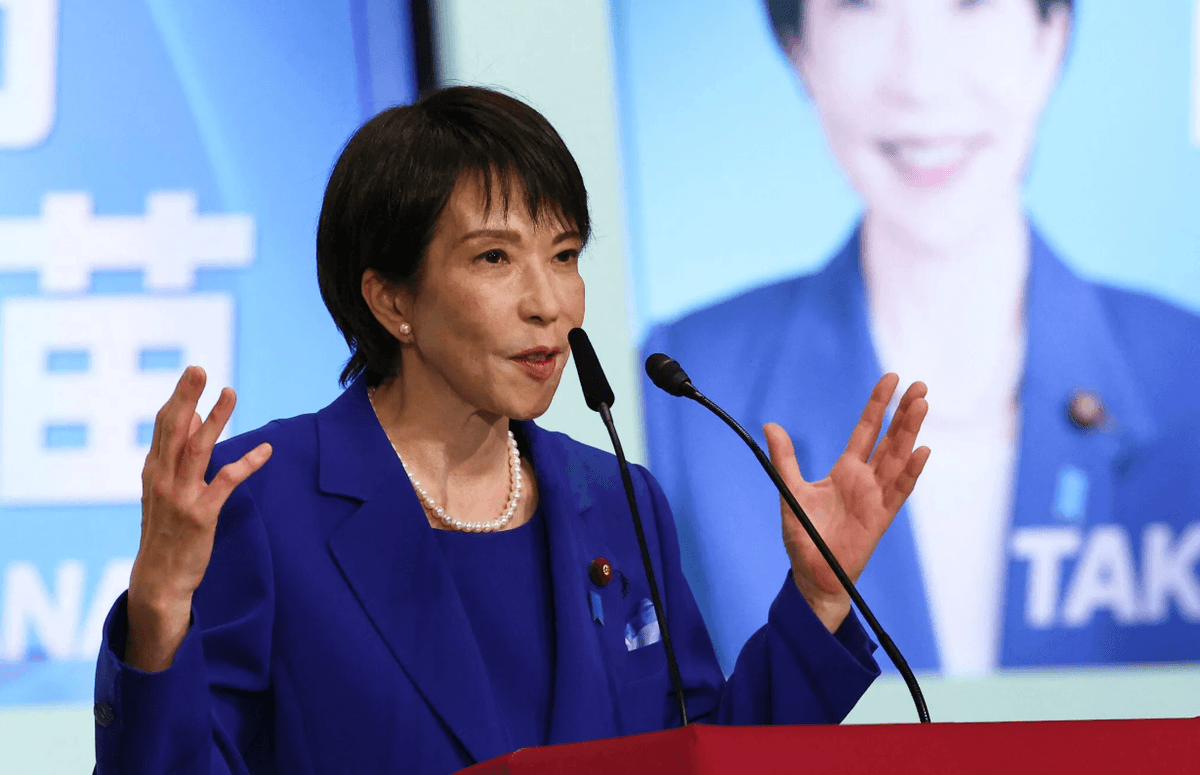
It is believed that Takaichi intends to reconsider Japan's principles of renouncing nuclear weapons. Although she did not give any direct signals and refused to clarify her cabinet's position on the non-nuclear principle.
But even if there is political will to reconsider the principles, the reorientation process will be difficult. And even though this policy was only adopted as a resolution and was never adapted at the level of law, over the decades it has become a national credo. It is difficult to overcome, especially when one recalls the Liberal Democratic Party's inability to change Article 9 of the Japanese Constitution regarding the role of the Japanese Self-Defence Forces.
Defence Minister Koizumi's words on the three principles marked a certain shift: ‘In order to protect peaceful life, it is only natural to continue discussions without excluding any options’ – something that would have been unthinkable for a Japanese official to say in the past decades.
Public opinion is quite divided. Opposition parties – the Constitutional Democratic Party, Komeito and the Communist Party – called for the dismissal of the official who proposed developing nuclear weapons.
A poll conducted at the end of November last year showed that 46% of respondents wanted the non-nuclear principles to remain unchanged, while 39% said Japan should reconsider its position.
The Nihon Hidankyo organisation, which represents victims of the 1945 nuclear strike, is categorically opposed to the development of nuclear weapons or their deployment on the country's territory. The organisation stated that ‘it is unacceptable to allow nuclear weapons to be brought into Japan or to turn the country into a base for nuclear war or a target for nuclear attacks.’
Against this backdrop, China and North Korea have launched information attacks against Japan's possession of nuclear weapons. North Korea has stated that Japan's nuclear ambitions ‘must be prevented at all costs.’ China has begun to raise concerns that Japan has the potential to develop nuclear weapons in a short period of time – within three years. Official Beijing called for ‘concrete and decisive measures’ against the escalation of Japan's nuclear ambitions. Both countries tactically refrained from commenting on their nuclear programmes.
Japan's allies have not expressed their views on this issue, as Japanese nuclear weapons remain a theoretical rather than a practical matter. However, the United States has expressed caution, stating that ‘Japan is a global leader and a valuable partner of the United States in the field of nuclear non-proliferation and the promotion of nuclear arms control.’
Amid this process, it is worth paying attention to another democratic country in the region that finds itself in a similar situation: South Korea. There have long been calls for the development of its own nuclear weapons, mainly from the conservative camp. However, the issue was generally considered closed. However, Trump's return and his flirtation with dictators has brought the nuclear issue back to the fore. This has changed public opinion, and by 2025, 76.2% of Koreans supported the development of their own nuclear capabilities.
For Seoul, this is potentially a long process, not only for objective technical reasons, but also because of the policies of the current South Korean administration. However, the process, which had been considered taboo in Japan's case or frozen in South Korea's case, has gradually begun. And it is unlikely to stop in the next few years due to the unpredictable foreign and security policy of the United States.
The fact that Japan has already begun to reconsider its approach to developing its own nuclear weapons is a tectonic shift in Japan's policy on this issue. Of course, practical steps towards development are still a long way off. But last year, this seemed impossible. However, the unreliability of the current US administration, China's growing military ambitions and the general chaotic state of the world are pushing Tokyo to review its established approaches.
Japan will certainly not start developing its own nuclear weapons in the coming year, but there is a possibility that it will review its approaches to this issue, which per se is a tectonic shift. Last year, this was considered impossible, but, please, don't expect a change in security strategy in the coming months. Only in the spring – and the final changes will be known only at the end of 2026. It is likely to include a rejection of the three non-nuclear principles.
A new security strategy, which may reflect the abandonment of the three non-nuclear principles, will only appear in the spring, when experts will be gathered to develop a new strategy. The final version will be ready at the end of 2026.
You may be interested