 INTERNATIONAL
INFORMATION AND ANALYTICAL
COMMUNITY


+ Join
Support INTERNATIONAL



Kyrychok Dmytro, intern at the Resurgam Center
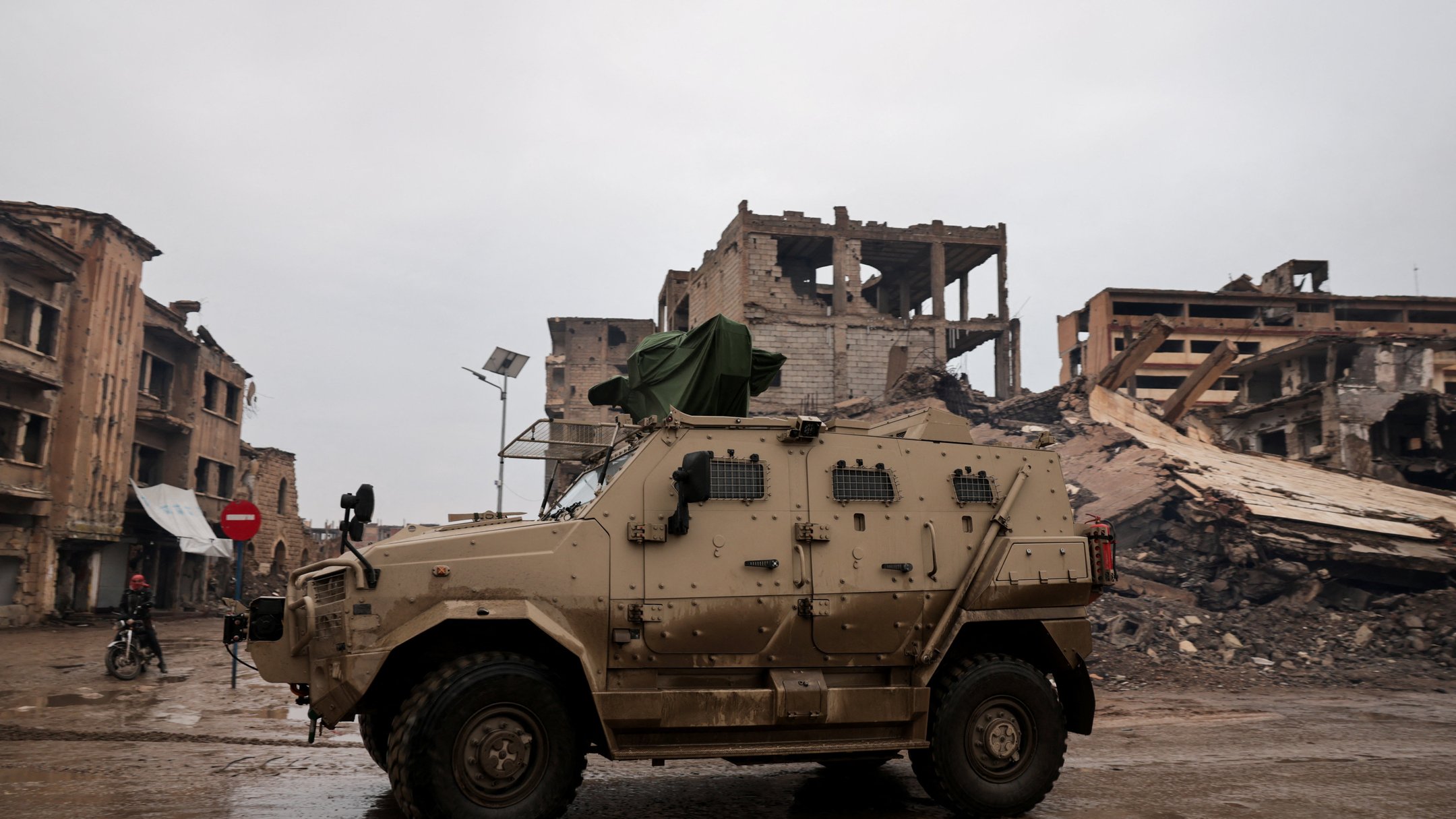 Photo: REUTERS/Khalil Ashawi
After the start of the civil war in Syria, Bashar al-Assad's regime prioritised the fight against the Syrian opposition and Islamic State (ISIS) in the centre and west of the country. When the Syrian army withdrew its forces from the east, where the Kurdish regions are located, this allowed local political structures to take control of the region. They immediately formed their own self-government bodies and People's Defence Units (YPG), which began to ensure the security of the region, including acting as a buffer against ISIS groups. The Kurds did not demand the overthrow of the regime, but rather the federalisation of Syria.
Strategically, Assad decided not to start a conflict with the Kurds, who are in conflict with Ankara, because he wanted to counter the Turks due to their support for part of the pro-Turkish Syrian opposition. This decision was aimed at both fragmenting the Syrian opposition and preventing the Kurds from possibly entering the war on the side of the rebel forces. Turkish Kurds have historically demanded independence from Ankara, which has created Turkey's hostile attitude towards any Kurdish formations.
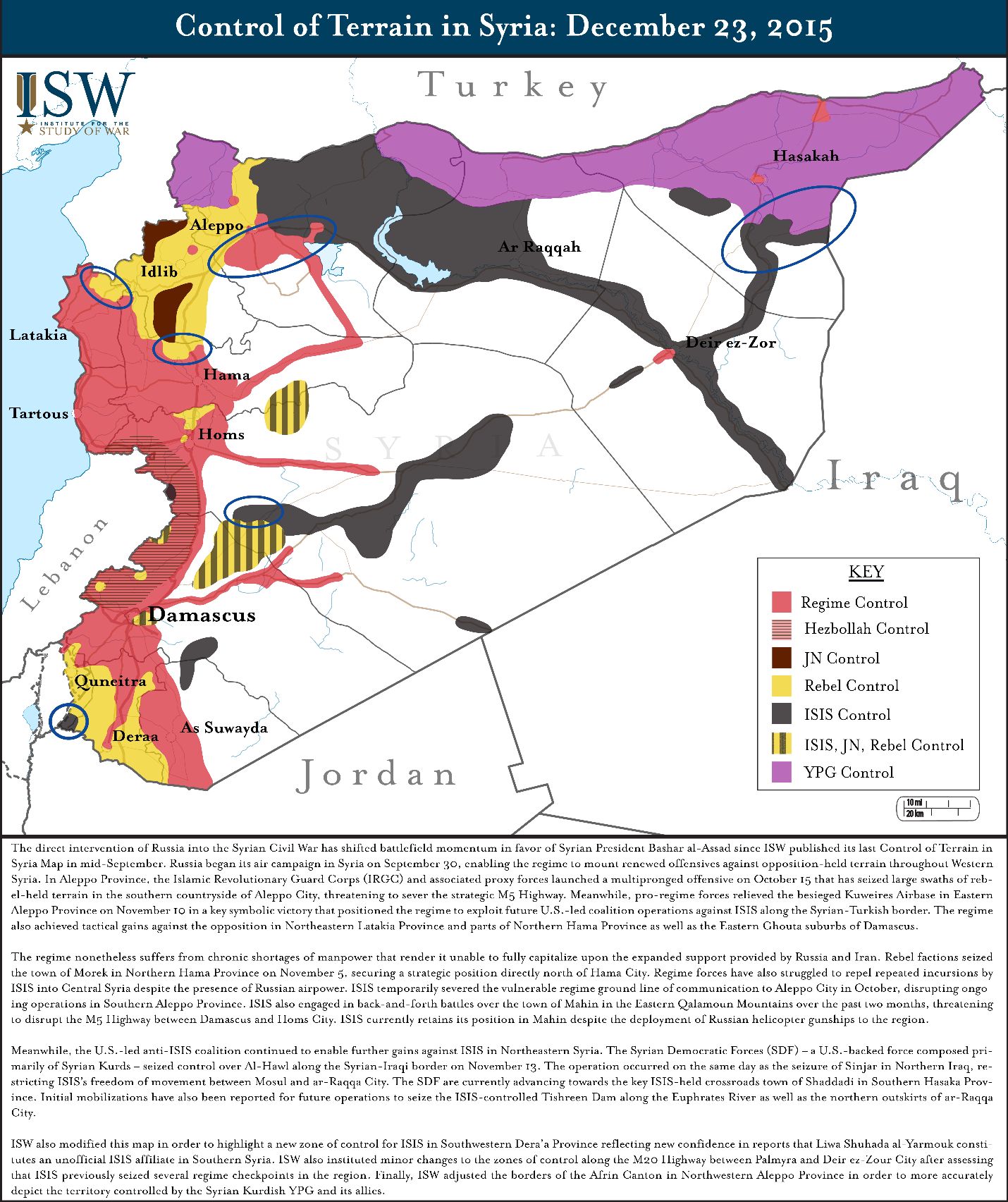 Photo: ISW Institute For The Study Of War
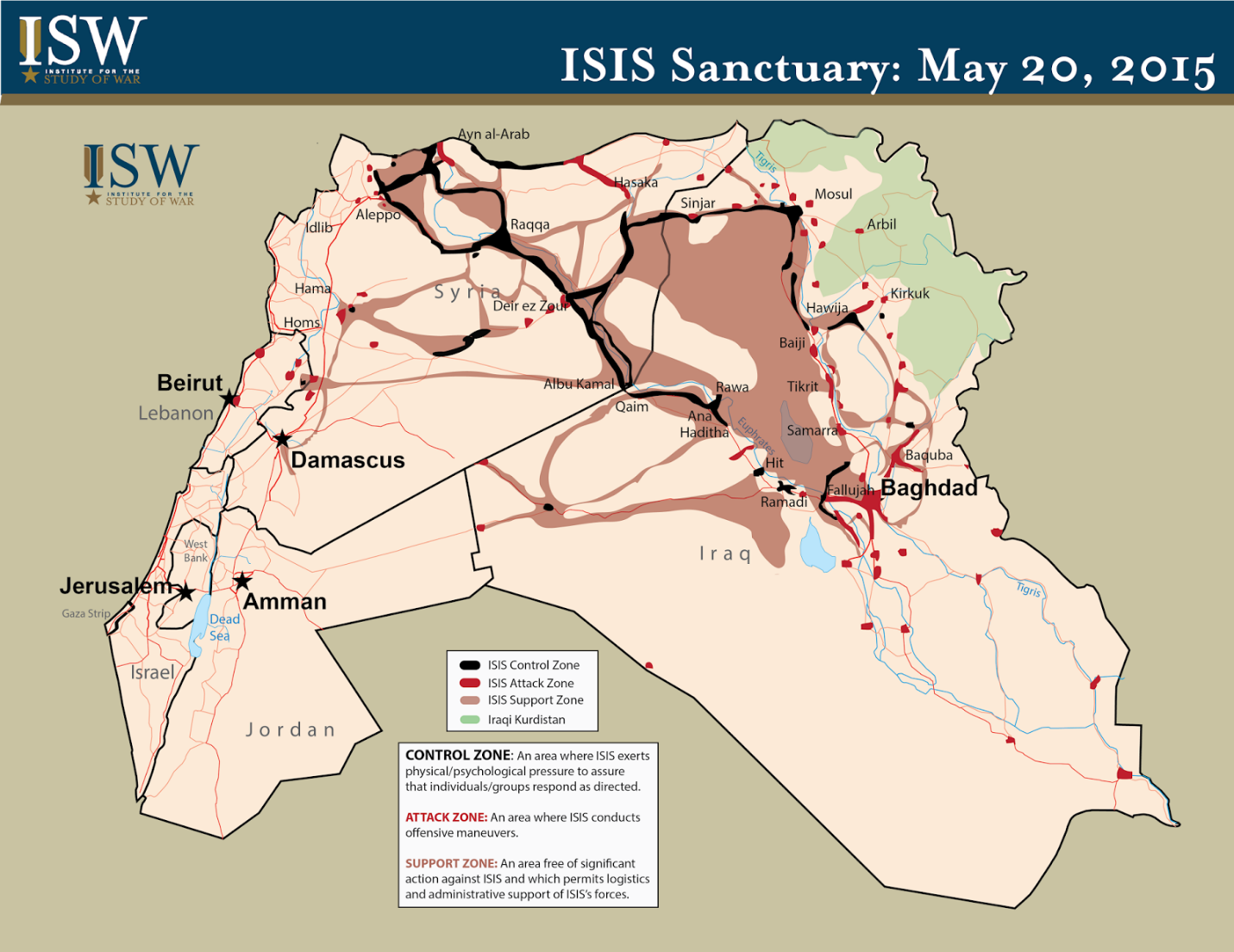 SourceIt was the Kurdish YPG units that became one of the most effective forces opposing ISIS. After the victory over Islamic State forces in Kobani, the United States effectively formed an alliance with the Kurdish forces, providing air support, weapons and instructors. The creation of the Syrian Democratic Forces (SDF) was initiated, which became a military coalition of the YPG and Arab tribes in the region, i.e. de facto an army of Kurdish autonomy. The alliance with the US was aimed at defeating ISIS forces on the one hand and forming a de facto autonomous region that was not subordinate to Damascus on the other. For Assad, this meant the final loss of resources and territory, but without direct confrontation with the US.
It is important to add the role of Russia in the region, which, after its intervention in the Syrian civil war in 2015, became one of the arbiters in Kurdish autonomy. Its role was to deter direct conflict and monitor hostilities between Turkey and the Kurds through patrolling. For Moscow, this was another lever of influence in the region on the conflicting parties, which strengthened its position. And if necessary, the Kremlin itself could stir up conflicts in order to subsequently ‘sell’ its own mediation. Russia influenced Turkey and the US through its military presence and cooperation with the Kurdish oil sector, while gradually making Assad dependent on it through control over security decisions and financial assistance.
With US support, Kurdish autonomy controlled Syria's key economic assets. These included the Deir ez-Zor and Al-Hasakah fields, which are key sources of Syrian oil production. They provided the financial basis for the region's autonomy after 2021 and brought in about $288 million annually. This money was used to support the functioning of administrative bodies, the police and the army. Turkey feared that they were being used to finance the Kurdistan Workers' Party, which promotes the idea of an independent Kurdish state and is recognised as a terrorist group in Turkey, the US and the EU due to its terrorist activities. Part of the revenue could also have gone to the US as the country that supported and modernised the oil fields.
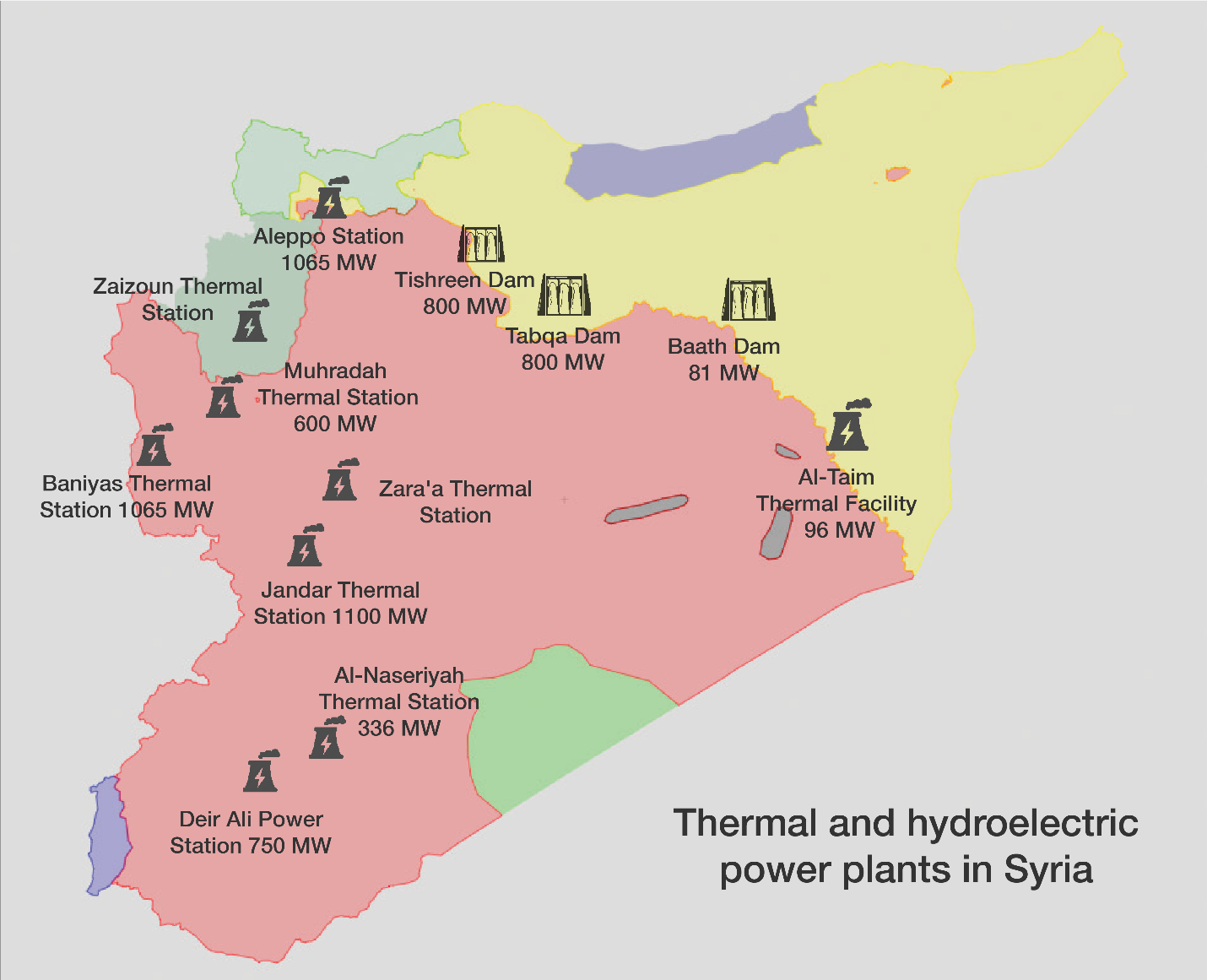
Control over the hydroelectric power stations on the Euphrates was an equally important resource for the Kurds. In particular, with the help of the Euphrates and Mansur dams, they controlled the water supply, electricity production and irrigation of cultivated areas.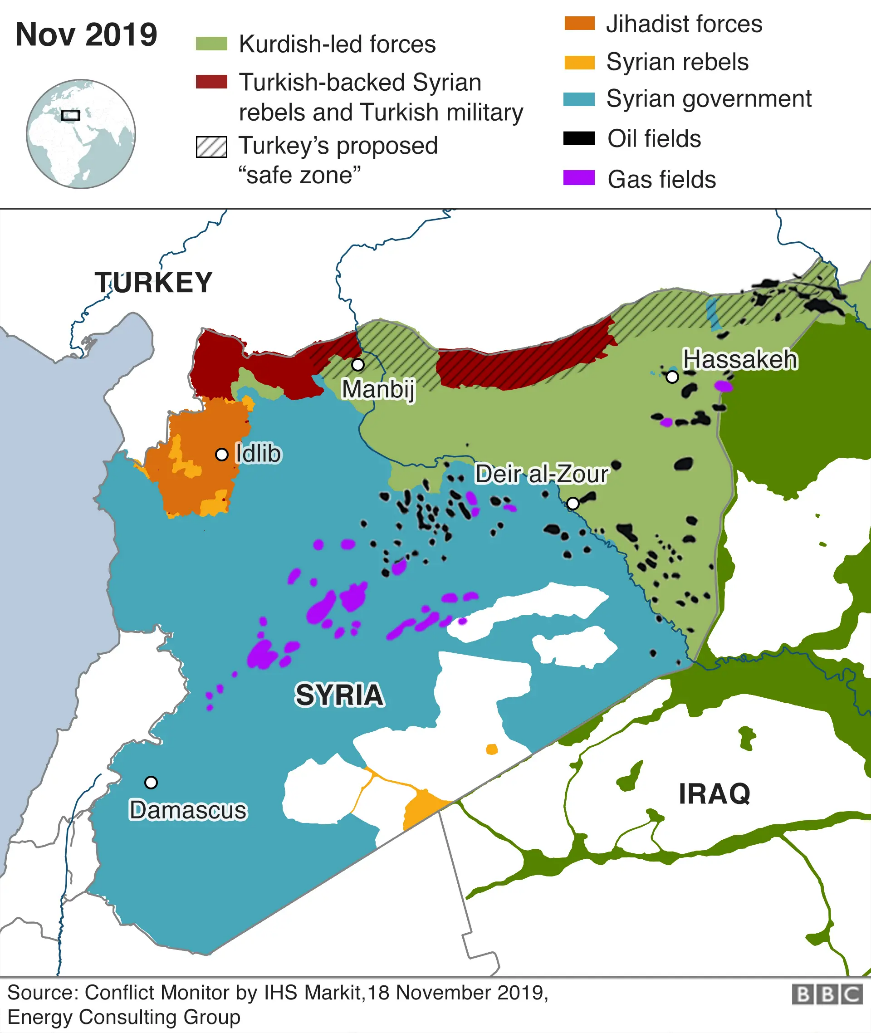 Source: Conflict Monitor by IHS Markit, 18 November 2019, Energy Consulting Group, BBC
 Source
On 27 November 2024, Syrian opposition groups led by Hayat Tahrir al-Sham (HTS) launched an offensive against the Assad regime. From the outset, the Syrian opposition relied on external support. Turkey provided logistical, military, and political assistance to HTS militants and actively participated in planning the operation and training soldiers. Ankara was interested in weakening Kurdish positions, reducing Russia's authority, and increasing its sphere of influence in Syria. Later, when the real state of affairs in Assad's regime became clear, Turkey's goal became the complete seizure of power in Syria and the formation of a loyal government to control resources and fight the Kurds.
Against the backdrop of the HTS fighters' advance on Damascus in November 2024, Kurdish forces took advantage of the temporary power vacuum and instability of Assad's army to launch a limited offensive west of the Euphrates River in several locations. These actions were aimed at creating a deeper defensive zone and strengthening future negotiating positions with the new Damascus. However, it was not possible to consolidate the gains, as the Kurds' capabilities proved to be much smaller than those of Turkey and the new Syrian authorities, who advocated the elimination of any autonomous entities.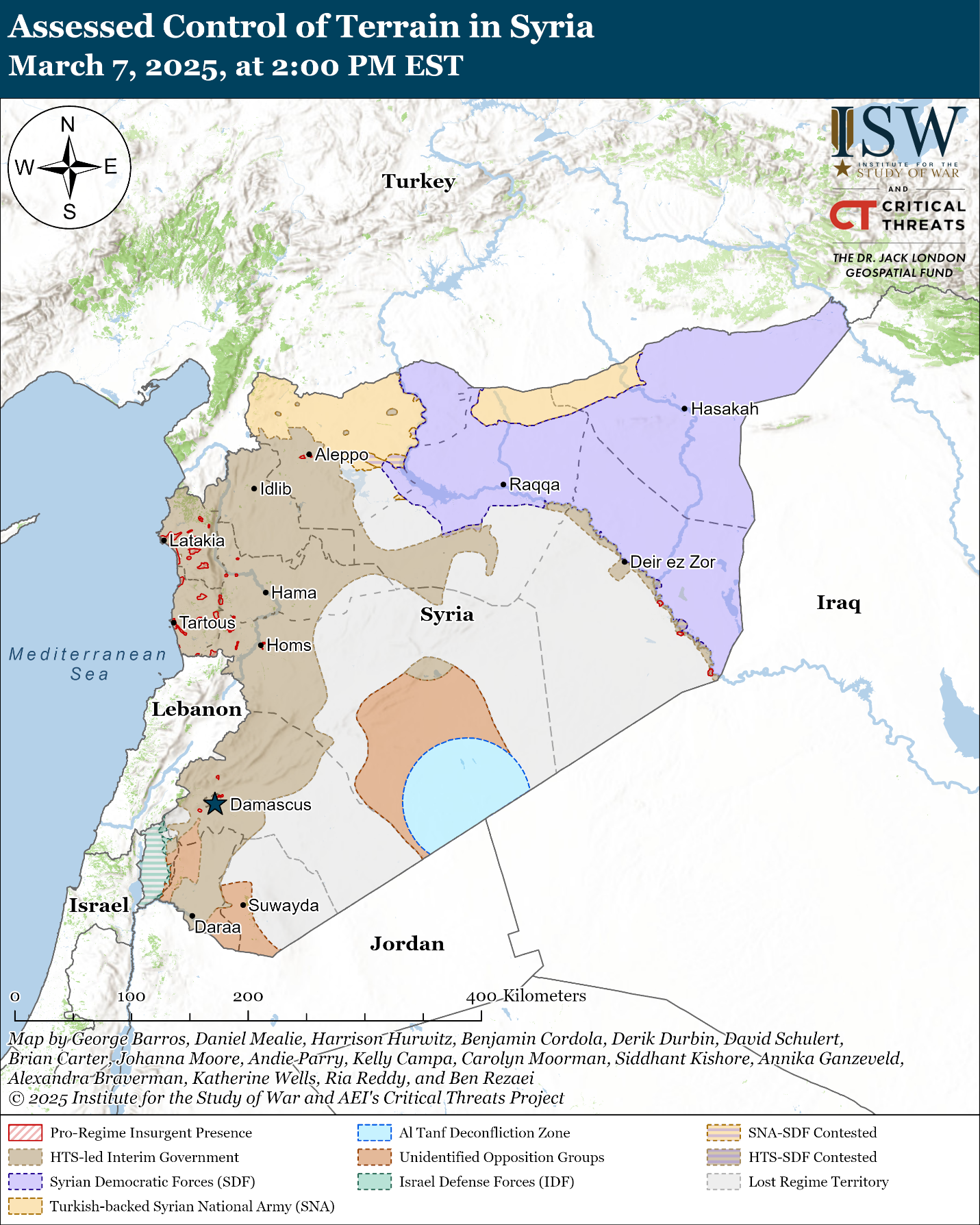 Source
At the same time, the new government had no intention of granting autonomy to anyone, as evidenced by its harsh crackdown on local uprisings by Druze and Alawites in March 2025. The swift and overly brutal nature of the crackdown, with numerous casualties, sent a clear signal. First, the new regime in Damascus demonstrated its ability to suppress any attempts at regional autonomy; secondly, it confirmed its monopoly on the use of force throughout Syria; thirdly, it demonstrated its commitment to building a tightly centralised unitary state, even at the cost of repressing its recent allies in the fight against Assad.
For many years, Turkey considered Kurdish autonomist movements on its territory a threat to national security and conducted military operations against them, particularly due to the activities of the Kurdistan Workers' Party and its affiliated forces. The Turkish authorities have regularly stated that any attempts by the Kurds to establish autonomy in Syria would inspire separatist sentiments among their own Kurdish population.
Since early 2025, Turkey, in coordination with Damascus and the militant groups it supports, has been conducting operations against the Kurds in Syria, but these have had only limited success. These initial clashes resulted in an agreement on 10 March 2025 between the new Syrian authorities and the SDF, which restored the ceasefire and the gradual integration of the Kurds into the new Syria.
Fighting resumed in mid-2025. The hotspots were areas near Aleppo, where Kurds lived, as well as territories that the SDF had occupied in 2024. The gradual advance of the new Syrian government's troops revealed the structural weaknesses of Kurdish autonomy and the SDF forces. Although the command and ethnically Kurdish units remained steadfast, Arab units retreated en masse and showed no desire to fight the government forces, which they sympathised with. On 13 January 2026, Damascus troops entered the Kurdish autonomous territory on the left bank of the Euphrates River. The SDF quickly retreated from most of the territories they had previously controlled, losing oil fields and their entire economic base.
An important factor in the fall of the Kurds is that the territory known as the Kurdish autonomy is ethnically mixed. The Kurds live compactly in the Northeast in the Al-Hasakah region, while Arabs constitute the majority in the western regions and the Euphrates Valley. The Arab population believed that the Kurds did not administer their regions objectively enough, which led to local clashes and protests. This had several consequences: the population's loyalty to the SDF was more pragmatic than ideological. Therefore, when Damascus launched an offensive against Kurdish autonomy on 13 January this year, Arab soldiers in the SDF refused to fight and abandoned their positions, leading to an even faster collapse of autonomy.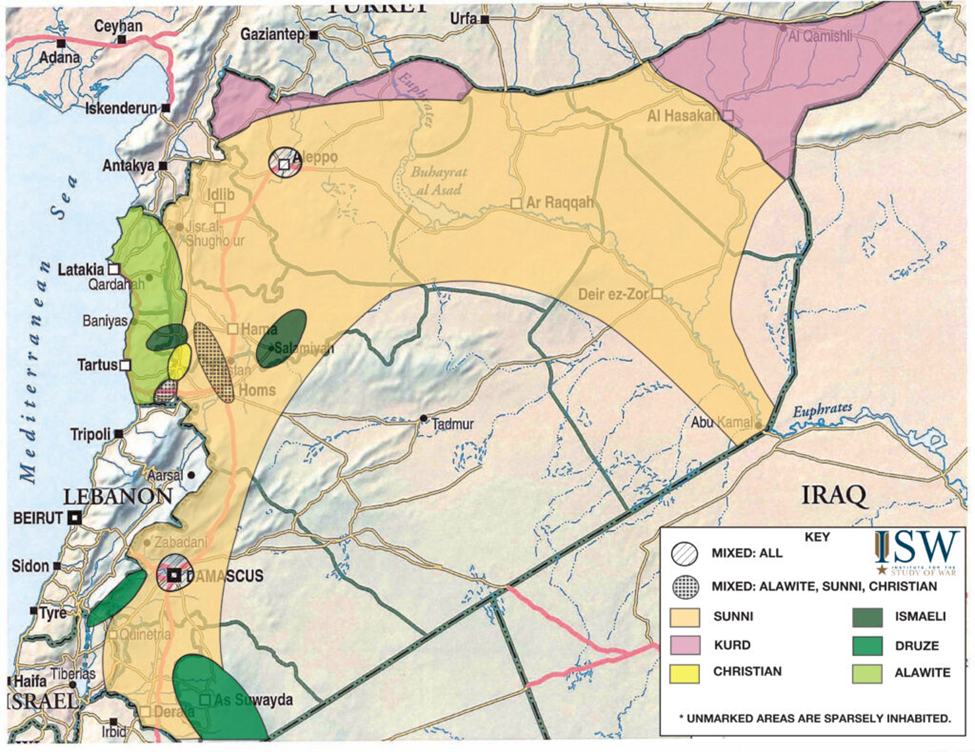 Source
Formally, the agreement is presented by Damascus as peaceful integration, but in fact it has become a capitulation of the Kurds in the absence of external allies and a complete loss of their statehood, replaced by cultural autonomy as part of Syria.
The elimination of autonomy is difficult to explain without taking into account the international dimension. The actions of Turkey and the United States indicate the possible existence of an informal agreement to eliminate Kurdish autonomy. The United States did not prevent the attack on its long-standing allies, did not provide military support during the attack, and in fact immediately accepted the integration of autonomy at the political level. On 20 January, the US ambassador to Turkey wrote about the end of the American mission in northern Syria. The existence of the SDF became unnecessary for the Americans due to new agreements with Damascus and its new role in ensuring security in the region and continuing the fight against ISIS on its own. This also aligns with Trump's policy of reducing military presence abroad. Ankara views the Kurds as a threat to its own security, which is why it has supported the idea of Syrian unity from the outset and has conducted military campaigns against the Kurds for years. Together, this creates a picture of international agreement on the elimination of Kurdish autonomy as a redundant element that hinders the interests of the parties in creating a new balance of power in Syria.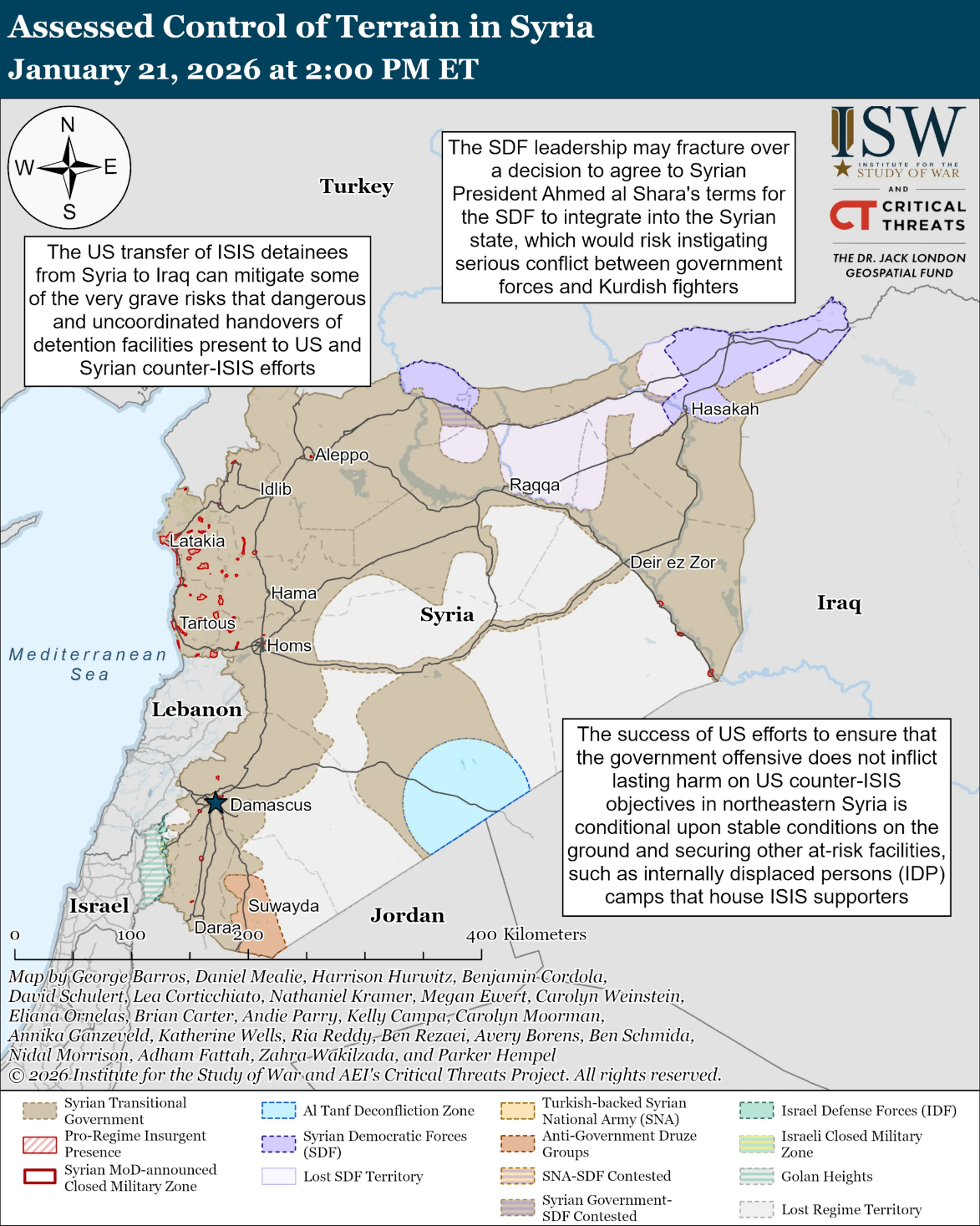 Source
In 2026, Syrian Kurds ceased to exist as an independent military and political player. The signing of the integration agreement means the gradual absorption of their institutions by the Syrian state. The Kurdish factor ceased to be a lever of external influence in Syria and became an internal social problem.
The Kurdish case illustrates several key principles of international relations:
No external ally can guarantee security permanently, as its interests may change.
Great powers sometimes sacrifice smaller allies for the sake of broader agreements — that is the reality of modern politics.
Therefore, the main emphasis should be placed on our own state capacity and our own army.
As for Syria, the change of power opens up new opportunities for Ukraine. Even despite Syria's pragmatic approach to limited relations with Russia, the Kremlin has lost a completely dependent ally. Therefore, Ukraine can cooperate with Syria in areas previously controlled by the Kremlin — from agri-food cooperation to support for the maintenance of Soviet equipment. This will contribute to the gradual displacement of the Kremlin from the region and, as a result, the strategic weakening of its positions.
You may be interested