 INTERNATIONAL
INFORMATION AND ANALYTICAL
COMMUNITY


+ Join
Support INTERNATIONAL



Danylo Moskalenko, junior Analyst at the Resurgam Center for Asia-Pacific Affairs
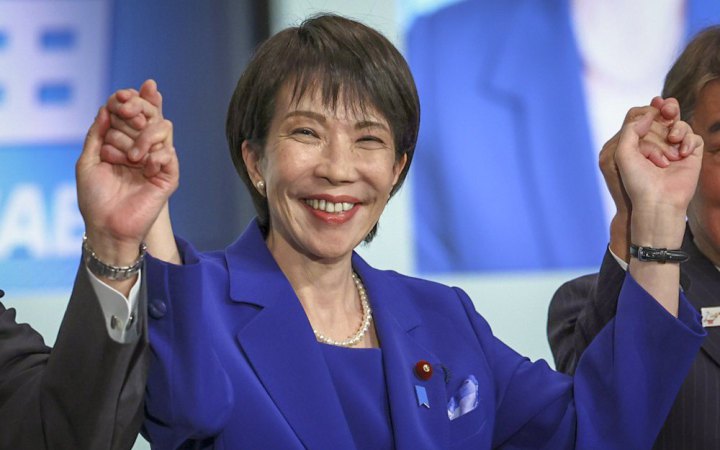 Photo: EPA/UPG
We discuss the winners and losers and the new composition of the lower house of the Japanese parliament.
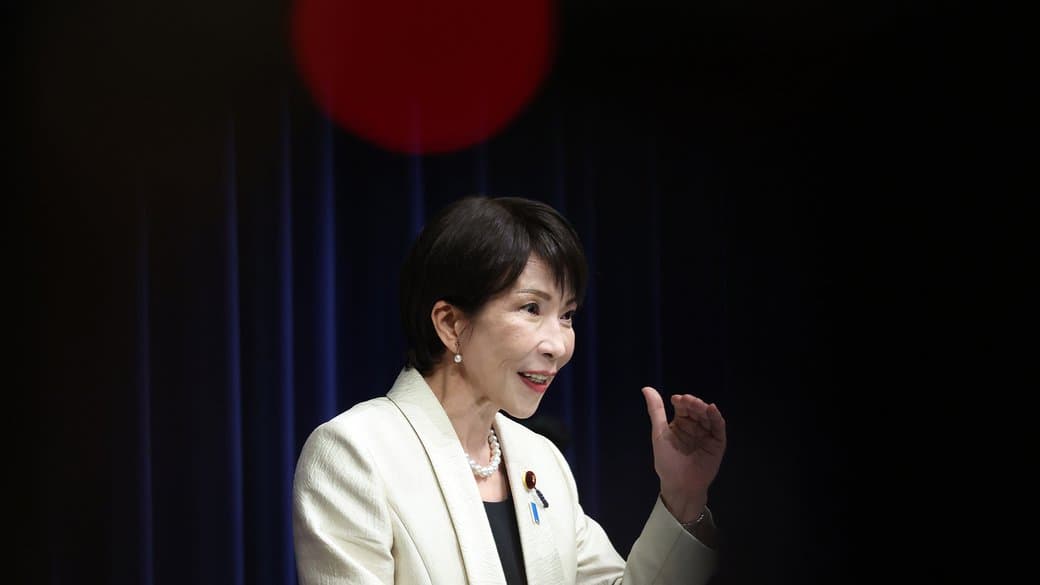
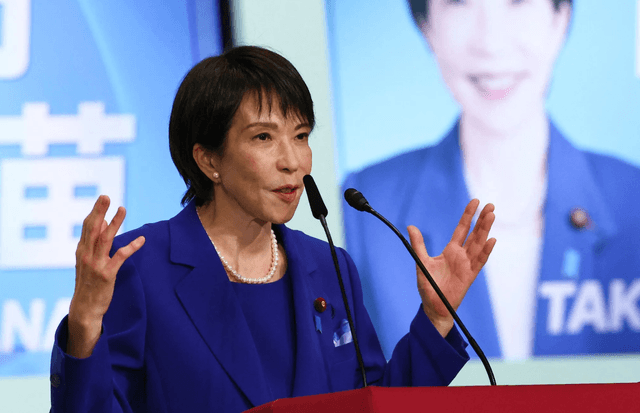
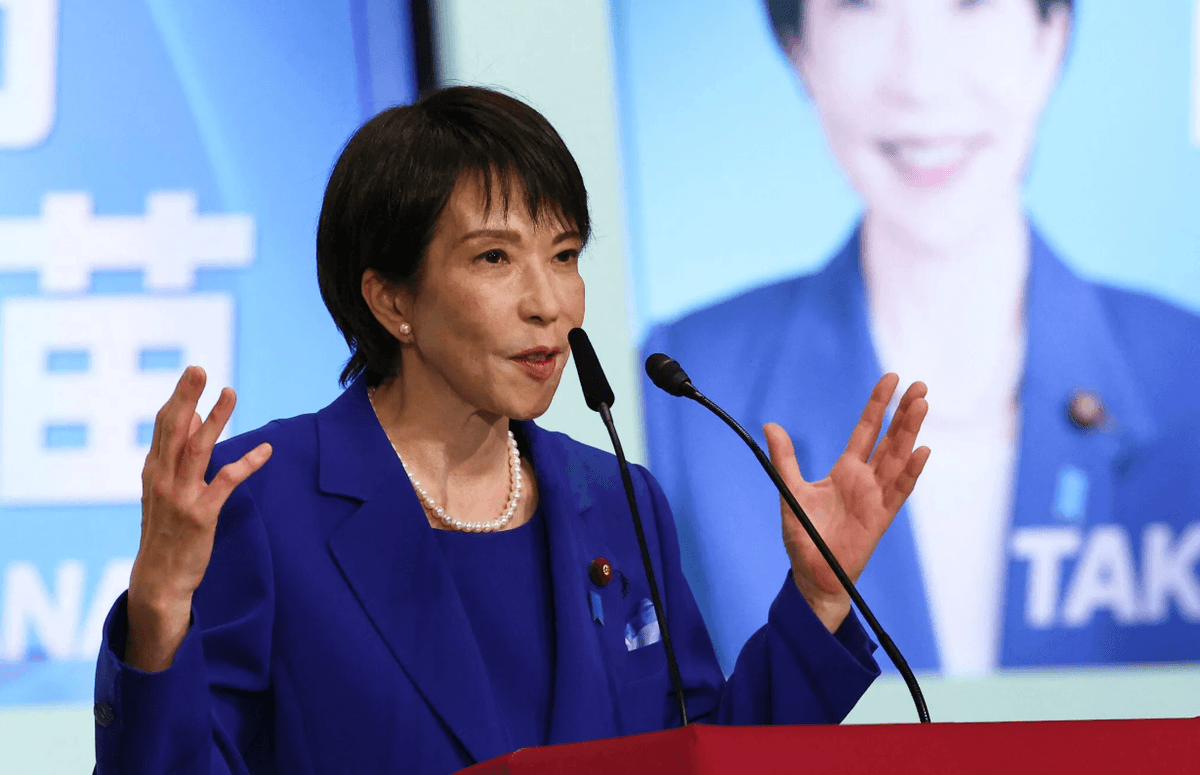
On 23 January, Japanese Prime Minister Sanae Takaichi dissolved the lower house of parliament to hold early elections. Formally, the reason was Takaichi's desire to confirm her mandate for a leading position in the state after her election as leader of the Liberal Democratic Party (LDP) on 21 October 2025. In reality, her main goal was to convert her personal popularity as a politician into support for the party she leads.
Before the elections, the LDP and the Japan Innovation Party (Nippon Ishin no Kai), which together formed the ruling coalition, had a slight majority in the lower house (230 seats), but as a result, they won more than two-thirds of the seats in parliament (352 out of 465 seats). In terms of individual parties, the LDP has 316 seats, while the Innovation Party has 36.
Previously, the LDP's best result in the lower house was 304 seats in 1986. The result obtained in these elections even exceeded the 308 seats won by the Democratic Party of Japan in 2009, when it was able to take power from the LDP for the first time. In other words, the success of the LDP, which demonstrates a stable influence on Japanese politics, is historically significant.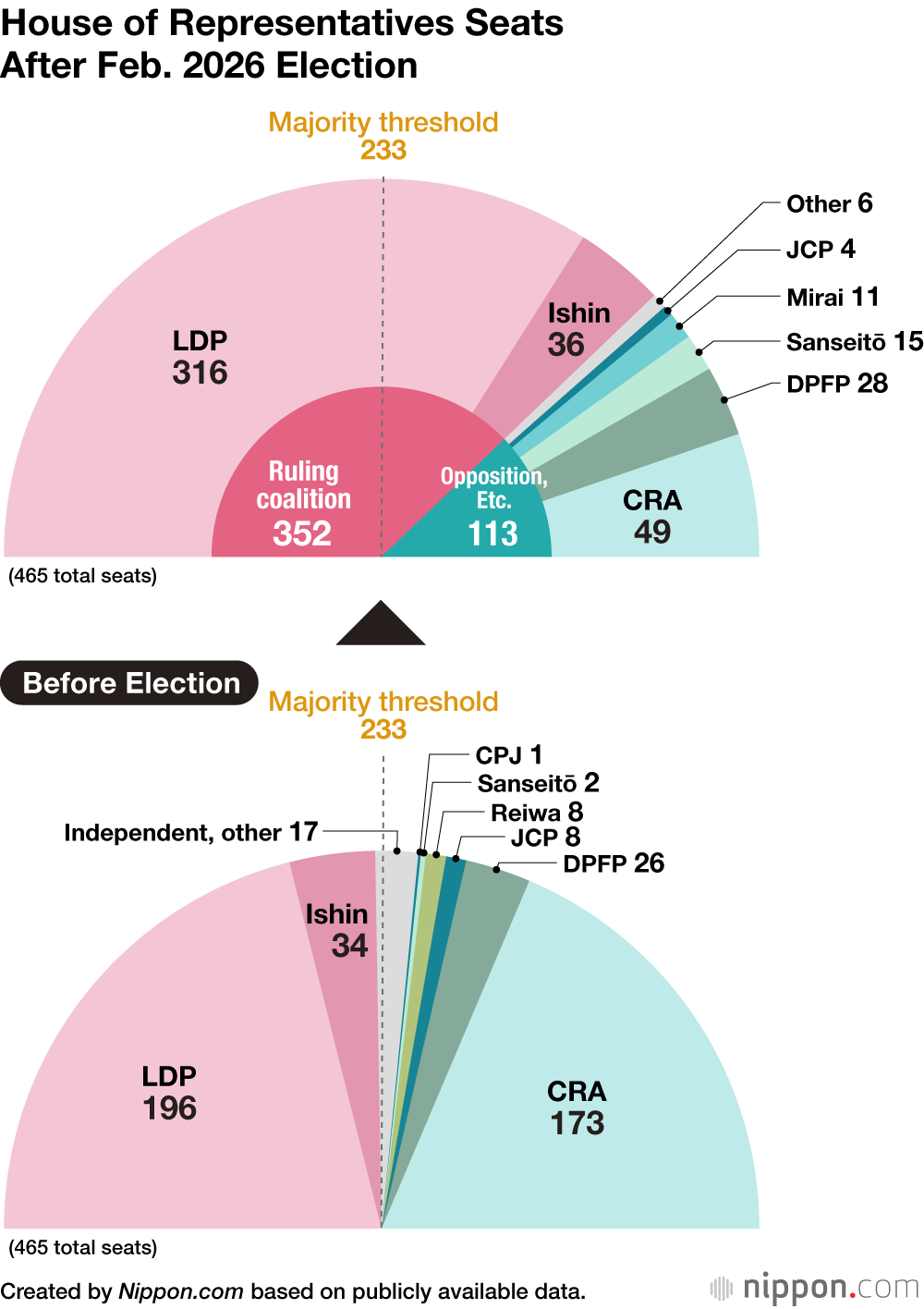 Fuente: https://www.nippon.com/en/japan-data/h02703/
The Japanese Communist Party (from 8 to 4 seats), Reiwa Shinsengumi (from 8 to 1 seat) and the Conservative Party of Japan, which lost its only seat, lost ground in the elections.
Takaichi's bet on personal popularity totally paid off. The LDP's success is especially interesting because of how the party managed to shake off the fallout from the so-called ‘black cash’ scandal, which had really hurt the party's reputation. At that time, dozens of lawmakers from the ruling LDP received undeclared funds from their factions, who kept the money in secret funds. But this did not shake voters' confidence in the LDP, or rather, in Takaichi's course.
What opportunities does the supermajority offer the Liberal Democrats?
Since the LDP controls a critical majority of two-thirds of the seats in the lower house, this will allow it to pass laws rejected by the House of Councillors (the upper house of parliament), smoothly implement its fiscal policy and pursue a policy of restricting immigration, which Takaichi advocates.
Also, with the political will and the return of the LDP's chairmanship of the Constitutional Commission, this will mean the possibility of legislative amendments, such as adding a direct reference to the Japan Self-Defence Forces to the Constitution, which Sanae Takaichi recently expressed her desire for. On 10 February, Defence Minister Shinjiro Koizumi said at a press conference that changes to the pacifist Article 9 of the Constitution ‘should be put to a national referendum as soon as possible’. Although rapid changes are unlikely, Takaichi's rhetoric and the confident majority in parliament give hope for active debate and real steps in this direction, in particular the build-up of Japan's military capabilities.
Immigration is a separate issue. During the election campaign and in the first few months of her administration, representatives of the LDP and the Takaichi government emphasised the need to tighten immigration rules. With the support of the LDP, it will continue to tighten measures targeting foreign nationals, including a tougher stance on unpaid pension and medical contributions, stricter control over visa conditions, and tighter rules on property purchases. In addition, the coalition agreement between the LDP and Nippon Ishin (Japan Innovation Party) includes a plan to develop a demographic strategy by the end of fiscal year 2026, which sets numerical targets for the entry and stay of foreign citizens in the country.
On the eve of the elections, Japan's main opposition party , the Constitutional Democratic Party of Japan, and the Komeito party, which had been its long-standing partner in the ruling coalition for 26 years, merged into a single party called the Centrist Reform Alliance, which was supposed to become the LDP's main competitor. However, this did not happen, and, as we noted above, it won only 49 seats. In addition to the popularity of LDP leader Takaichi, one of the reasons for the opposition's poor performance was its division. Candidates from the Alliance and the second opposition party, the Democratic Party of the People, competed with each other instead of joining forces. This worked in favour of the LDP.
In addition, despite its stated opposition and moderation, the Alliance for Centrist Reform did not offer a meaningful alternative to the LDP's course. The party also advocated for a reduction in consumption tax and is trying to take a proactive stance on defence policy. Presumably, the rapid and unexpected formation of the party and the shortest election campaign in Japanese history contributed to the Alliance's inability to clearly define its position in the Japanese political spectrum.
On 9 February, the co-leaders of the Centrist Reform Alliance, Yoshihiko Noda and Tetsuo Saito, announced their resignation from their posts following the party's crushing defeat.
The party did not achieve its goals, finishing in 51st place. The main focus of the election was the confrontation between the Liberal Democratic Party and the Centrist Reform Alliance. In these elections, it actively nominated candidates even in districts where Alliance candidates were running (although both parties were supported by the Japanese Trade Union Confederation Rengo), and also competed with the main opposition party for the votes critical towards the government. The party also promised to reduce housing taxes and create a social insurance contribution reimbursement system to ease the burden on the working population, but these messages failed to fully convince voters.
Once a marginal party, Sanseito, which is ideologically inspired by Trumpism (its slogan is ‘Japanese First’) and the European far right, managed to secure 14 seats (out of 248) in the upper house of parliament. Following the February elections, it also increased its number of seats from 2 to 15.
The party actively exploits anti-immigrant and nationalist rhetoric. It acts as an anti-establishment party representing the interests of that segment of the population that believes traditional parties do not represent their interests. In addition, Sanseito is now trying to position itself as an ally of Takaichi.
Sanseito still has relatively limited representation in parliament and is unable to play a decisive role in Japanese politics. However, its success in the early elections means that right-wing populist forces are gaining popularity not only in the US and Europe, but also in East Asia.
Equally interesting in the context of these elections are the results of the newly formed Mirai Party. Its leader is former artificial intelligence engineer Anno Takahiro, and many of its members work in IT or have engineering degrees. In the elections to the upper House of Councillors in July last year, the party won one seat, and in these elections, it won 11 seats, surpassing one of the oldest political forces in Japan, the Japanese Communist Party.
Mirai attracted public attention last autumn when it released a web application that makes it easier and faster to disclose information about party funding flows, which was particularly relevant in the context of the LDP's ‘black cash’ scandal. The party also emphasises the need for investment in artificial intelligence, robotics and autonomous driving.
In addition, Mirai was perhaps the only party that advocated maintaining the 10% consumption tax rate and reducing social benefits. As a countermeasure to the low birth rate, which is an extremely pressing issue in Japan, Mirai avoided promises of cash payments and instead proposed reducing parents' income tax rates depending on the number of children.
This party does not have a clearly defined ideology. It has become the representative of a segment of the population (mainly young people) that did not want to support the LDP or traditional opposition parties. This party emphasises technological development and innovative approaches in politics.
At the same time, Japan's economy is going through difficult times. It shrank by 2.3% between the second and third quarters of 2025, partly due to a decline in exports to the United States following the introduction of 15% tariffs by the US. After Takaichi's victory in the LDP leadership election in October last year, the yen began to fall gradually and has fallen by more than 7% against the dollar. Prices for basic commodities are rising (for example, the price of rice, a staple food, has risen by 67.2%), housing costs are increasing, and wages are not keeping pace with inflation. Therefore, the main task of the new cabinet in the coming months will be to respond to the country's economic hardships.
The essence of Sanae Takaichi's economic policy is to continue and strengthen the course of former Japanese Prime Minister Shinzo Abe through aggressive fiscal expansion and public investment. Her approach is based on abandoning strict cost-cutting measures and attempting to stimulate the economy through public spending. In the deflationary environment of 2012, Shinzo Abe's economic policy stimulated inflation and increased the productive capacity of the economy. However, the country is currently suffering from the depreciation of the yen, which raises doubts about the feasibility of ‘Abenomics 2.0’ in the current environment.
Therefore, the central election theme in Japan was the fight against the rising cost of living. Taichi's main promise was to temporarily abolish the 8% consumption tax on food for a period of two years. After this period, her government plans to introduce a tax return programme to support middle- and low-income households. She also promises assistance through cash payments and subsidies for utilities.
Economists and the media are comparing this situation to the ‘Thatcher shock’ in the UK, when ill-advised tax cuts led to a financial crisis. There is a risk that tax cuts and spending will only fuel inflation, which is already a major concern for voters. According to polls, 56% of voters believe that the promised tax exemption will not be effective against rising prices.
However, the opposition also advocated for tax cuts. The centrist Alliance for Reform announced its intention to abolish the consumption tax on food altogether. The far-right Sanseito and the centre-left Reiva also called for the abolition of the consumption tax, with Sanseito also seeking to reduce social security contributions. The Japanese Communist Party sought to reduce the consumption tax to 5%, while the Social Democratic Party aimed to reduce it to zero. Both parties called for higher taxes on large companies to compensate for the shortfall in tax revenues. Thus, despite the risks, almost all Japanese parties advocated some form of tax reduction as a means of overcoming the rising cost of living.
The Takaichi's government will be able to more confidently pursue its policy of increasing military spending without worrying about criticism from the opposition. Even before the election, Japan, under Prime Minister Takaichi, had brought defence spending to the target of 2% of GDP in fiscal year 2025, two years ahead of the previous schedule. The LDP's supermajority seeks to accelerate the prime minister's efforts to strengthen Japan's defence capabilities.
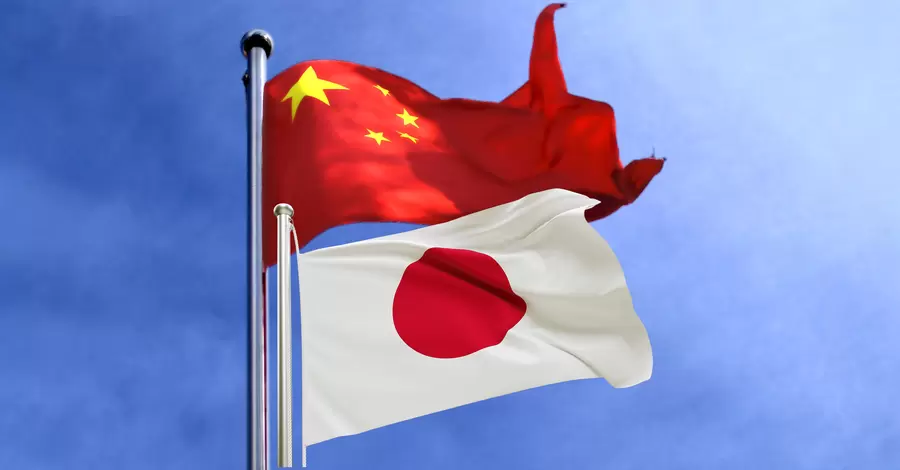
The strengthening of the position of the leader of a powerful Far Eastern country, which is ready for confrontation with Beijing, will have positive consequences for Ukraine. If Japan's military presence in the region is strengthened, China will be forced to respond and allocate additional resources to counter Tokyo's influence. This will divert some of its efforts from supporting Russia to protecting its own ‘backyard’.
For Europe, a stable and effective Japanese government will mean the emergence of a powerful allied centre of power in Asia, capable of supporting its development as a player in international relations during an era of American withdrawal from its hegemony through active technological, economic, and possible military cooperation. Even before the elections, during Keir Starmer's visit, the United Kingdom and Japan agreed to strengthen their defence and economic ties against the backdrop of pressure from both China and the United States.
In addition, a confident majority in parliament and broad public support allow for continued and strengthened support for Ukraine through rapid decision-making, including tougher sanctions, financial and humanitarian aid, and military support. Just two days after the election, it became known that Japan plans to join NATO's initiative to supply Ukraine with American-made ammunition and equipment. The country will provide funding only for non-lethal defence equipment, possibly including radar systems and body armour. Even amid financial difficulties at home, Japan announced on 21 January that it would allocate $6 billion in humanitarian and technical assistance to Ukraine.
The strong results of the LDP and the Innovation Party will allow the government to review the so-called ‘Three Principles on Defence Equipment and Technology Transfer’ with a goal of abolishing the ‘five categories’ rule on defence equipment that the country can export. This initiative, which is spelled out in the coalition agreement, is being prepared since December 2025 and is expected to be implemented as early as this spring. This step will allow Japan to export lethal weapons to Ukraine, which will initiate military-technical cooperation between the two countries, which, given Japan's demand for remilitarisation and Ukraine's acute need for military equipment and technologies, will be mutually beneficial for both sides.
You may be interested