 INTERNATIONAL
INFORMATION AND ANALYTICAL
COMMUNITY


+ Join
Support INTERNATIONAL



Kostiantyn Hlushko, staff analyst and reviewer at the "Resurgam" Center for Northern European Policy
 Photo: Getty Images
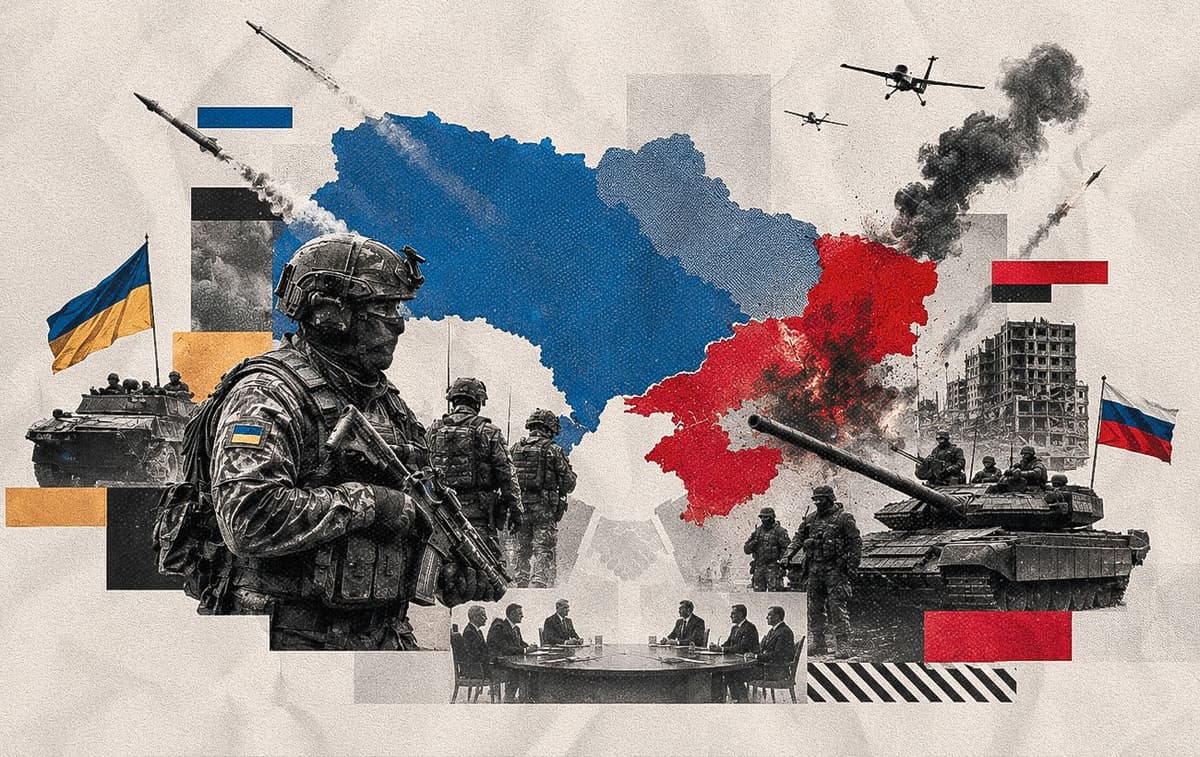
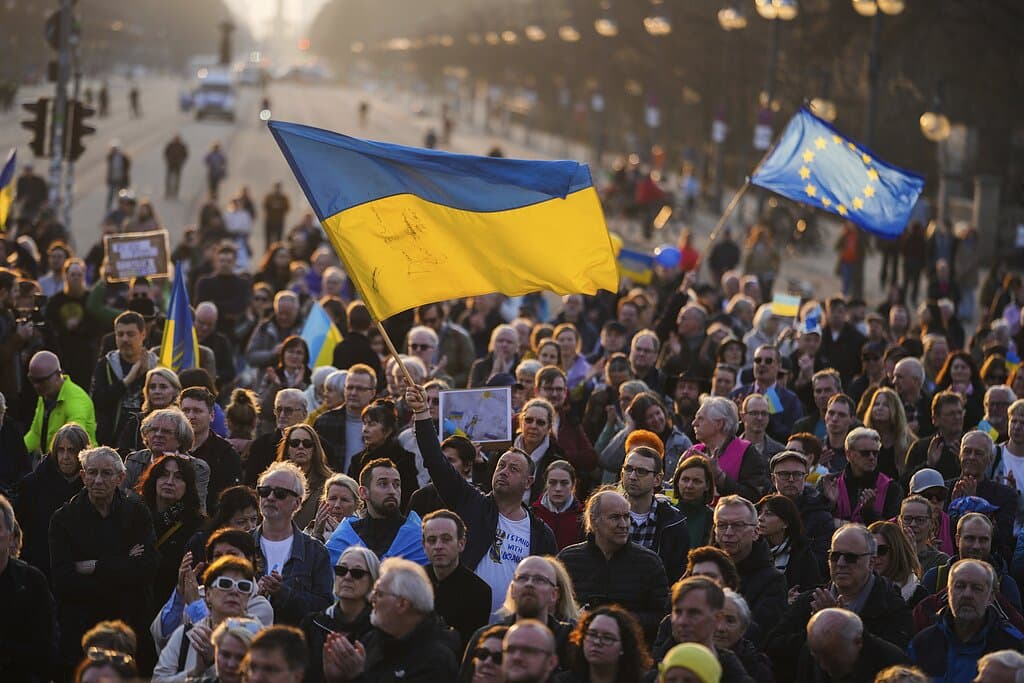
Today, Ukraine finds itself in a similar situation, defending itself against Russia. Since the current stage of confrontation with Russia is unlikely to be the last, Ukraine needs to prepare for the next one today. Therefore, Finland's approach to deterring a much larger aggressor is valuable for Ukraine.
Many nations have events that divide their history into ‘before’ and ‘after.’ For the Finns, such an event was the Winter War of 1939-1940, during which the USSR attacked Finland. Although Finland received limited military assistance from other countries during this war, the country bore the entire burden of the war almost single-handedly.
As a result of this war, Finland lost 40,000 square kilometres of territory, which accounted for 11% of the country's GDP and was home to 12% of its population. More than 25,000 Finns were killed in battle, about 44,000 were wounded, and about 430,000 became displaced persons. For Finland, whose population at the end of 1938 was approximately 3,670,000, these were significant losses. The shared tragedy, struggle and overcoming of the consequences of the war contributed to the unification of a nation that had previously been polarised by civil war and its aftermath.
It was then that the concept of ‘Sisu’ began to emerge among the Finns. This word has no translation, but it conveys a set of traits that have become part of the Finnish national character: strength of will, courage, perseverance and determination in achieving goals, which make it easier to get through difficult times. This trait became an important aspect of total defence in the future.
However, peace did not last long: soon after, war broke out between Germany and the USSR, during which the Finns tried to regain what they had lost. In 1941-1944, they took part in battles against the Soviet Union. This stage was called the ‘Continuation War’ (Finnish: Jatkosota) in Finland. As of July 1944, Finland's land forces numbered 528,000 soldiers (450,000 in combat units). They were divided into 14 infantry divisions, 1 armoured division, and 85 artillery battalions. However, it was already clear that Germany would lose the war. While Finland's position had not deteriorated, it was decided that an armistice should be concluded with the USSR and Great Britain.
The Moscow Armistice was signed on 19 September 1944. Under its terms, Finland took on significant restrictions and obligations. In particular, it had to return to the USSR the territories it had captured during the war, additional territorial concessions, payment of $300 million in reparations (in goods), legalisation of communist activities in Finland, disarmament of German units based in Lapland, and transfer of their personnel to the USSR.
However, the worst conditions were the reduction of the army to peacetime strength and deployment and the acceptance of control over the implementation of the agreement by a special commission headed by Andrei Zhdanov, which de facto gave the USSR control over the Finnish government.
The final agreement regulating the post-war restrictions and obligations imposed on Finland was the Paris Peace Treaty, signed on 10 February 1947. It did not so much replace the Moscow Treaty as supplement it with new restrictions on Finland.
In particular, the personnel of the land forces, including border guards and air defence artillerymen, was reduced to 34,400 servicemen.
The personnel of the Navy was reduced to 4,500 servicemen, and a limit of 10,000 tons was set on the tonnage of ships.
The personnel of the Air Force was reduced to 3,000 servicemen.
The limit on the number of aircraft (including spare and naval aircraft) was 60.
Finland was prohibited from owning bombers, facilities for the production of military materials exceeding the amounts necessary to maintain the combat capability of the armed forces, and from possessing and developing nuclear weapons, any missiles and launchers, except for torpedoes.
This was a difficult experience for the Finns. The process of restricting Finland's sovereignty, carried out by the USSR, and the resulting situation, became known as ‘Finlandisation’.
Realising their vulnerability to the USSR, the Finns turned to cleverness. If it is impossible to defend against the USSR, it is necessary to make it unprofitable for them to attack. Thus, in 1948, Finland signed a treaty of friendship, cooperation and mutual assistance with the USSR. According to the agreement, in the event of an attack on the USSR, Finland was to defend the Gulf of Finland and resist any potential attacker on its own territory. In other words, Finland offered to help defend the north-western flank of the USSR.
Preliminary agreements on the treaty had been reached as early as 1945. At that time, the Finns hoped that this would minimise the restrictions on their armed forces in the Paris Peace Treaties. Although this goal was not achieved, the USSR nevertheless became interested in the combat capability of the Finnish Armed Forces.
As early as the 1950s, the USSR began to ‘turn a blind eye’ to Finland's circumvention of restrictions on the size of its army (the loophole in the agreements found by the Finns is described below). In 1959–1962, the USSR provided a loan for the modernisation of artillery, armoured vehicles, the purchase of fighter-interceptors and the procurement of equipment for the navy, and in 1962 sold Finland the latest MiG-21 fighters, which was formally a violation of the Paris Peace Agreements. In addition, in 1962, restrictions were eased and the signatories to the Paris Peace Accords allowed the Finns to have air defence systems, and in the 1980s agreed to the purchase of mines with non-contact detonators.
However, in the 1950s, the Finns did not yet know how effective their thinking would be, and there was also a need to adapt the armed forces to the new realities. Despite severe restrictions, the Finns had significant war experience that needed to be understood.
Discussions about reformatting the army began immediately after the end of the war. In May 1945, the government created a temporary body, the Parliamentary Committee for the Review of Defence Policy, consisting of six politicians and five army officers.
In the spring of 1949, the committee presented a report analysing and recommending the use of Finland's terrain for defence, as well as proposals for changing the structure of the army. The regular army was to be small, with an emphasis on a large number of reservists attached to new territorial districts. The number of reservists was to grow steadily through regular conscription. This model made it possible to circumvent the restrictions on the size of the armed forces imposed by the Paris Peace Treaties without violating their articles.
The committee's recommendations formed the basis of the 1950 law on universal military service. The term of service was reduced compared to the previous law of 1932: from 350 to 240 days for soldiers and from 440 to 330 days for officers. However, regular military training was introduced for reservists: 40 days per year for soldiers and 100 days for officers.
In the same year, a ‘Handbook for Officers’ was published, in which the concept of ‘total defence’ was used for the first time. It included: military defence, economic defence measures, protection of the civilian population and property (civil defence), as well as psychological warfare. It was emphasised that the defence of the state was the joint responsibility of all citizens, not just professional military personnel. Over the next few years, the manual was supplemented and republished.
In 1952, the reform of the peacetime armed forces was completed. The land forces consisted of three army divisions, which commanded brigades and separate units. The armoured brigade and some separate units were directly subordinate to the General Staff. The naval forces consisted of two operational formations and had two naval bases. The air force had three wings and some separate units.
The network of territorial bodies responsible for conscription and maintaining the readiness of the reserve included seven military districts, which were further divided into 27 military areas. Although the Border Guard was subordinate to the Ministry of Internal Affairs, it remained a military unit.
However, the early 1950s were not only a time of reform, but also a time of pressure on Finland from the USSR. This was the time when the Cold War began (the Korean War being one of its consequences) and the Finnish military and political leadership viewed the war between the newly formed NATO and the USSR as a real threat. However, Finland's air defence was too weak (it would be modernised in the mid-1950s) to counter NATO forces, which relied heavily on air power.
According to the 1948 agreement, Finland was to side with the USSR in the event of an attack on it. Because of this, the USSR regularly made it clear that the Finns needed to strengthen their defence capabilities. At the same time, the military and political leadership suspected that the communists in parliament, on the instructions of the USSR, were voting against decisions that would strengthen Finland's defence capabilities.
The USSR's goal was to keep the Finnish leadership in limbo and maintain Finland's dependent position by preventing rearmament that could reduce this dependence. At the same time, the USSR allowed Finland to keep a certain level of defence capability so that it would not become so weak that it would open the way for Western intervention or force Moscow to take it under full control.
On top of that, Finland didn't have enough money to rearm, so it could only field 15 undermanned divisions. Given this situation, the Finns feared that if war broke out, the USSR would occupy Finland, motivated by the Finns' inability to fulfil their defence obligations, and the country would suffer nuclear bombing by the United States.
Soviet pressure on Finland only ceased with Stalin's death in 1953. At the same time, observing the end of the Korean War, the Finns concluded that in the future, the great powers would try to avoid direct war. The early return of Finland's sovereignty over the Porkkala Peninsula in 1955, which was to be leased to the USSR until 1995, signalled the beginning of a new era in relations between the two countries.
In 1957, the State Defence Committee was established, which included the country's top military and political leadership. It was the highest advisory and planning body, providing advice to the president on matters relating to national defence. It was responsible for monitoring the military-political situation, directing defence planning, coordinating various areas of defence, preparing budgets and making other proposals for development related to the country's defence.
The committee immediately began its work, and in 1958, the Civil Defence Act was drafted, which, among other things, introduced the mass construction of bomb shelters in Finland. The law had significant shortcomings: radiation protection was not taken into account, and the location of the bomb shelters left rural areas unprotected. However, the idea of building bomb shelters became an important element of total defence. Today, Finland has about 50,500 bomb shelters that can accommodate 4.8 million people.
At the same time, work to strengthen other types of defence intensified. The formation of an economic defence system began, in particular, a permanent body responsible for its planning and coordination was created. In the 1960s, the Scientific Committee on National Defence, the Psychological Defence Planning Council and advisory councils on communications and medical services were established.
In 1961, nationwide courses on national defence were introduced at the Military College and regional courses at the local level. This not only enabled more people to acquire the necessary skills, but also instilled in participants a sense of shared responsibility for the defence of their homeland.
In 1966, an administrative reform took place in the army. The boundaries of military districts were changed, and command of the ground forces in the field and mobilisation preparation (ensuring conditions so that mobilisation could be carried out quickly if necessary) were entrusted to the commanders of the new military districts. Command of the Navy and Air Force remained with the commander-in-chief.
This meant that in the event of a local invasion, local commanders could make quick decisions without waiting for orders from the General Staff. Coordination with the civil administration was simplified and defence planning became more effective, for example through the development of strategies that took local terrain into account.
Thanks to decentralised mobilisation training, each military district could independently call up reservists, deploy units and organise logistical support. This meant that even if one district came under attack, others could continuously support the defence and protection of the civilian population, which increased the overall resilience of the national defence system.
At the same time, it was decided to reduce defence spending in 1968 from 3% of GDP to 2%. Spending at 2% remained the norm until the collapse of the USSR.
In the 1970s, the military doctrine finally shifted its focus from ‘total war’ to deterring the aggressor through dispersed defence and large-scale mobilisation readiness. Territorial defence was seen as the core of the state's overall defence, encompassing military structures, the mobilisation system, civilian resources, logistical support and the ability of society to sustain prolonged resistance. As of 1975, Finland had 700,000 trained reservists, which made it possible to quickly deploy defences across the entire territory.
However, the situation with the Air Force in the early 1970s was much worse. While air defence systems were gradually developing, the fleet of combat aircraft had significantly degraded. Although a couple of dozen Soviet MiG-21s improved the situation, the role of aviation was reduced to patrolling and providing some support to the Navy and ground forces.
The ‘reanimation’ of the Air Force began in 1970 and continued throughout the 1970s and 1980s. At that time, Finland purchased 48 Swedish Saab 35-FS Draken aircraft.
The main tasks of the Navy were to control sea lanes, observe and protect the Åland Islands.
In the context of economic defence, in the 1970s, more attention began to be paid to the accumulation of strategic reserves of fuel, food and industrial raw materials. Thus, in 1970, annual appropriations for the purchase of oil began. The first test was the oil crisis of 1973. Although the energy crisis did not develop into a supply crisis, the rise in oil prices led to an economic recession.
In April 1978, minimum supply levels in crisis situations and a baseline supply level were set. However, the grain reserves available at that time were only half of what was needed, and the raw materials for metallurgy would only last for two months. The situation with oil was better, but in 1979, supply disruptions began due to the Iran-Iraq War. In 1979, norms were established for food, heating, lighting, clothing, and hygiene products.
energy supplies were to cover about 60% of demand;
food supplies 90% of demand;
industrial production 45-60% of normal levels, depending on the industry.
At the same time, a decision was made to appoint a person in each ministry responsible for preparing the ministry's activities in crisis situations.
The 1980s became a decade of development of the elements of total defence laid down in previous decades. Particular attention was paid to economic stability. Thus, in the early 1980s, the concept of a ‘strategic reserve of critically important resources’ was adopted. According to this concept, if there is a shortage of certain resources in a crisis situation, the state will distribute them not evenly, but on a priority basis, i.e. concentrating them where they are most needed to achieve key defence and survival goals for society. This decision is unpopular but pragmatic when it comes to the existence of the state and the survival of its citizens.
In 1982, the concept of ‘basic provision in critical situations’ was adopted. It provided for the support of the population's vital functions through the guaranteed functioning of production and management at a minimum level under any circumstances. Critically important goods and their minimum stocks were identified.
Measures were also worked out that would allow production to function at least at a minimum level in the event of war.
A minimum stockpile of 900,000 tonnes of grain was foreseen for the state grain reserve, and in 1984 a law was passed on the creation of medicine reserves. In 1988, enterprises critical to the survival of the state were assigned responsibility for supplies in crisis situations.
In the context of military defence, the state focused on upgrading the equipment of the armed forces and concentrating reserves.
With the collapse of the USSR in 1991, Finland was freed from all restrictions: from bans on certain weapons to limits on the size of its armed forces and cooperation with Western countries. Immediately afterwards, Finland began active cooperation with Western countries in the fields of security and economics.
Unlike many other countries, Finland was in no hurry to disarm. In particular, regular conscription and the accumulation of strategically important resources are maintained. As of 2017, 25-30 thousand conscripts served each year.
In 1993, the NGO ‘Finnish National Defence Training Association’ was established, which, in cooperation with officers, conducts annual training and defence preparation courses for 50,000 citizens.
In addition, a law was passed in the 1990s requiring bomb shelters to be built in new buildings. Today, they must be able to support the population for at least three days and provide protection against conventional, radiological and bacteriological weapons. In peacetime, many bomb shelters are used commercially or as storage rooms, but they are maintained in readiness to perform their immediate function. Large bomb shelters are inspected once every 10 years, small ones more often.
In 2003, a new security strategy was adopted, which significantly expanded the concept of security. Total defence (Finnish: kokonaismaanpuolustus) was replaced by comprehensive defence (Finnish: kokonaisturvallisuus). It was based on cooperation between various authorities, the business community and civil society institutions in countering a wide range of threats: information, cyber, terrorist, large-scale immigration, military pressure and other scenarios.
The defence management system underwent certain adaptations after 1991: interdepartmental committees were introduced and civil institutions became more involved, which increased the collegiality and multisectoral nature of security management, although the key roles of the president and the Ministry of Defence remained unchanged.
Information security is one of the areas that Finland has been able to develop since the collapse of the USSR. Although the USSR was the greatest threat to Finland, according to the 1944 Moscow Armistice, information countermeasures against it were prohibited (clauses 20 and 21).
In Finland, citizens are taught media literacy from kindergarten, it is integrated into school education, and non-governmental organisations promote the dissemination of materials related to media literacy. Libraries and NGOs offer media literacy courses for adults and the elderly.
In schools, students study famous propaganda campaigns from history, learn about advertising, and see how statistics can be used to mislead people.
As a result, Finland has ranked first in the European Media Literacy Index every year since it was first published by the Bulgarian Open Society Institute in 2017.
Another important aspect is preparing citizens for crisis situations from school, thanks to which every household keeps a minimum of three days' worth of supplies.
The strategy is regularly updated. The 2017 edition identifies seven key functions that need to be protected:
Leadership (the ability of the state and society to coordinate and make decisions, respond to threats);
International relations and interaction with the EU;
Combat capability;
Internal security (police and counterintelligence activities);
Economy, infrastructure and supply chain support;
Functionality of the population and public services (health care, education, etc.); 7) Psychological resilience (including cyber security).
As of 2024, Finland's land forces numbered 17,400 military personnel, the Air Force 3,300, and the Navy 3,150. As of 2023, 2.42% of GDP, or 4.4% of the budget, was spent on defence. In 2025, the number of reservists was estimated at approximately 870,000, of which 280,000 could be quickly deployed to combat operations. On 22 December 2025, a law was passed raising the upper age limit for reservists to 65. For officers with the rank of colonel and above, the age limit is abolished. They will remain in the reserve as long as they are fit for service. The goal is to increase the number of reservists to 1 million by 2031.
Russia's full-scale invasion of Ukraine was clear confirmation that Finland's security policy was correct. In 2023, Finland joined NATO. This was easy for Finland, as it had been steadily strengthening its defence capabilities since 1991, thanks to which it was warmly welcomed, as Finland is much better prepared for war than many other member states.
It is likely that Finland could have joined NATO at any time after 1991, but did not do so because it did not consider membership to be the optimal security tool. Its own defence capabilities were stronger than those of most NATO countries after the Cold War. Only after 2022, when NATO returned to a serious defence model, did the conditions become acceptable for Finland.
Kostiantyn Hlushko, staff analyst and reviewer at the "Resurgam" Center for Northern European Policy
You may be interested