 INTERNATIONAL
INFORMATION AND ANALYTICAL
COMMUNITY


+ Join
Support INTERNATIONAL



Kostiantyn Hlushko, staff analyst and reviewer at the "Resurgam" Center for Northern European Policy
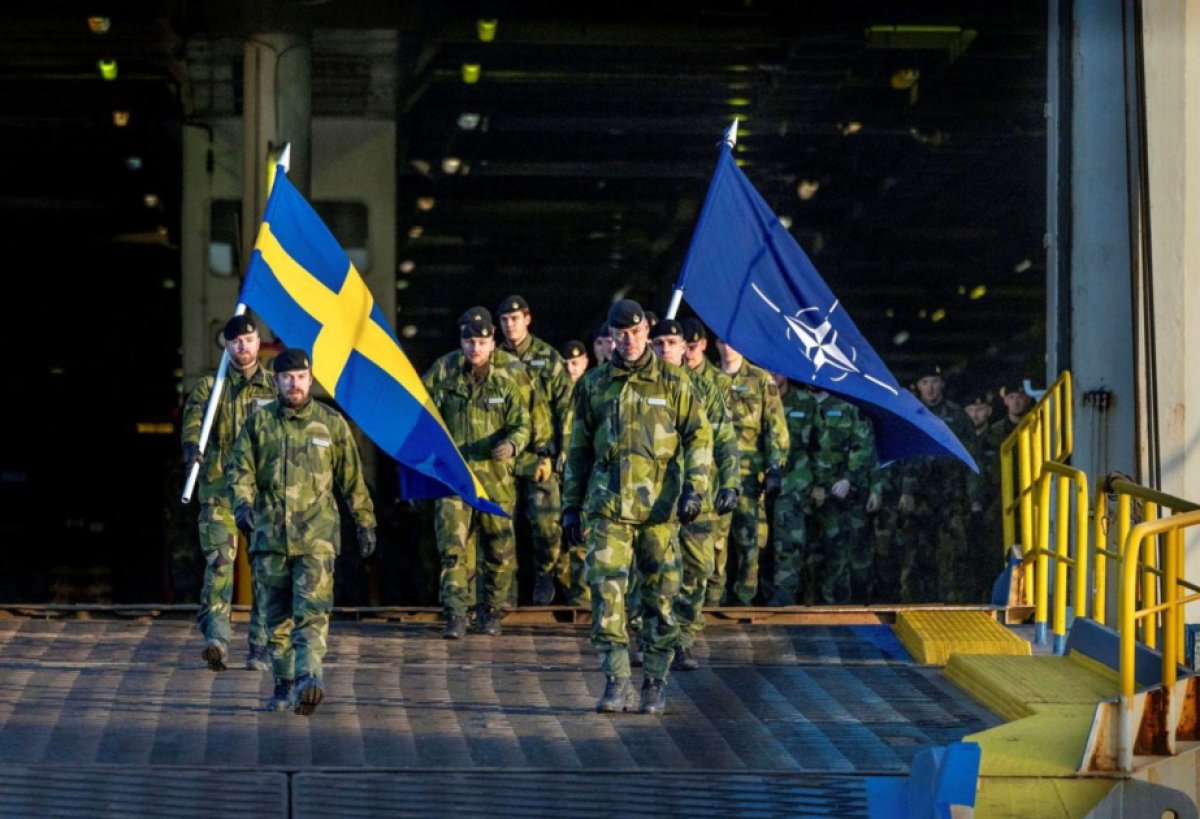 Photo: Johan Nilsson/TT
This article discusses Sweden's strategic importance in the regional security architecture, its military-industrial capabilities, and its potential to strengthen NATO's defence capabilities.
Sweden is located on the Scandinavian Peninsula, shares land borders with Norway and Finland, is connected to Denmark via the Øresund Bridge, and has access to the Baltic Sea. Its strategic importance is enhanced by numerous islands, including Gotland. In 2017, American General David Perkins called Gotland ‘the unsinkable ship of the Baltic Sea,’ emphasising its role in controlling the Baltic Sea.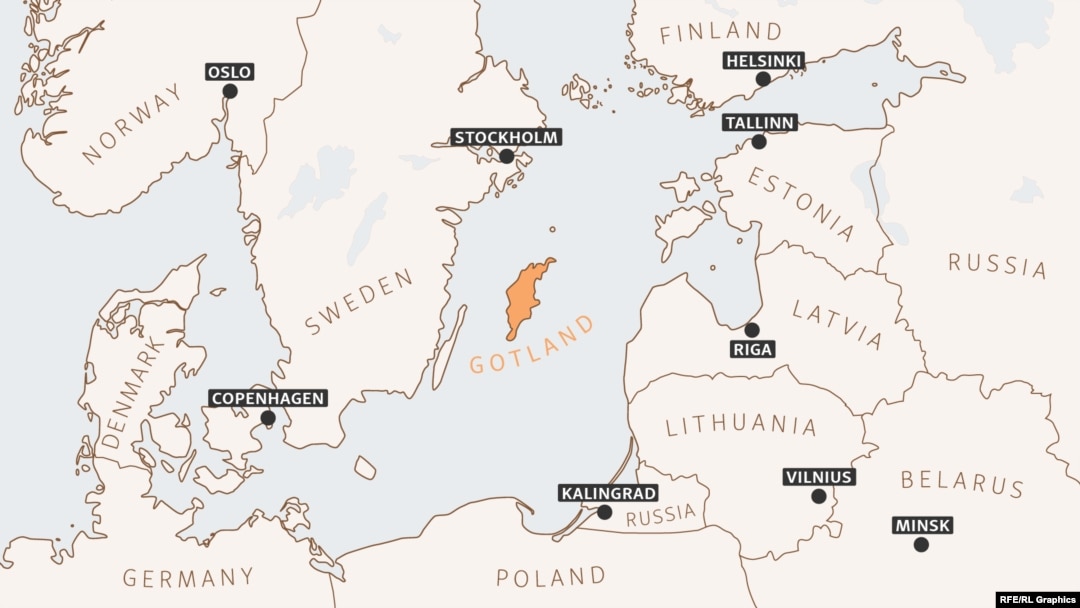 A map showing Gotland
Gotland is also sometimes referred to as the ‘key to the Baltic Sea’ because control of the island allows for dominance over the region's sea and air communications, providing a strategic advantage. Swedish military expert Johan Viktorin wrote in 2013:
"By controlling Gotland and deploying advanced air defence systems there, any player can deprive another of this opportunity, while increasing the capabilities of its own integrated air defence systems. Under such conditions, significant forces can be deployed at sea, on land and in the air for strategic purposes."
In the event of war with Russia, Gotland will serve as a springboard and key logistics hub in the Baltic Sea.
If Russia occupies the island and deploys its air defence systems, artillery, soldiers and air forces there, this will not only significantly complicate the advance of NATO forces in the Baltic Sea, but also partially isolate the Baltic states. With this in mind, Sweden recently conducted joint exercises with Poland on the island. The exercises involved paratroopers, coastal missile units (armed with anti-ship missile systems) and local territorial defence forces. The exercises were conducted in the SNEX(Short Notice Exercise) format, which involves short preparation time and rapid deployment of troops. This allows their ability to operate under time constraints and high dynamics to be tested.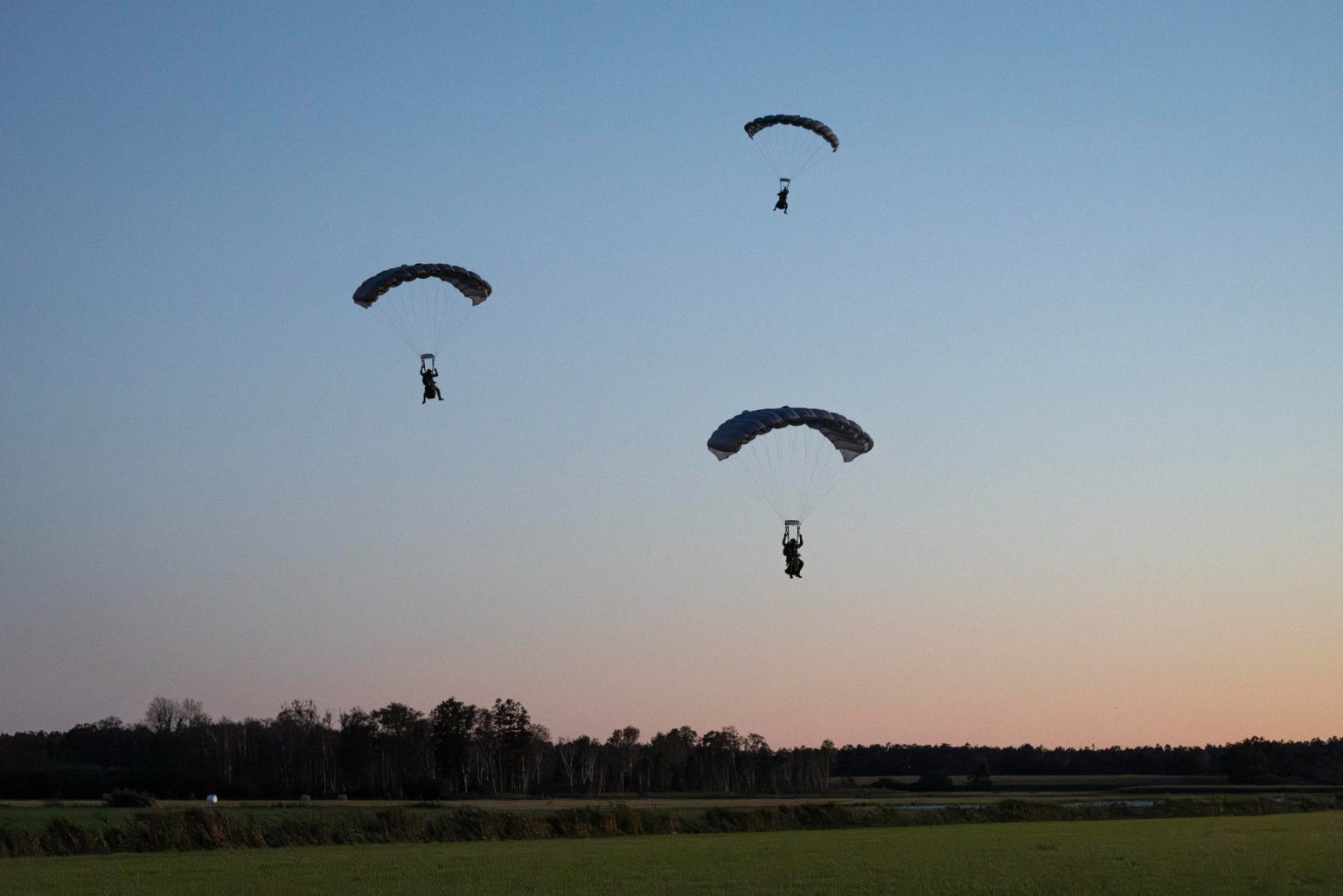 Parachute landing of Swedish and Polish troops as part of the Gotland Sentry exercises. September 2025
 Launch of an Rbs-15 Mk.2 anti-ship missile from a Volvo truck-based platform
At the same time, it is important to take into account Russian air defence systems and the "Bastion" coastal missile complex located in Kaliningrad, as well as the missile brigade in St. Petersburg, which in the event of war could pose a threat to both alliance ships and personnel on the island.
Another important facility for maintaining security in the Baltic Sea is Gothenburg, Scandinavia's largest port. It is one of the few ports in Sweden capable of accommodating large military ships and serving as a transport hub for heavy weapons to be transferred to the area of operations. It is important for Norway and the Baltic countries, given that large volumes of goods are transferred through Gothenburg, yet it is truly strategically important for Finland. In 2024, the Finnish logistics company Nurminen Logistic launched a regular rail route between the border town of Haparanda (on the border between Sweden and Finland) and the port of Gothenburg. In the event of war, this route could become an alternative route for the transit of Finnish goods and resources, which is important for supporting the economy of the defending country.
In the event of war, Sweden could become a key hub for basing, logistics and transit for operations and rapid deployment of equipment to the necessary areas. This is confirmed by the fact that in August 2025, the government instructed the Swedish Armed Forces to offer NATO the opportunity to establish a logistics command centre. The government website already specifies the start date for the headquarters (end of 2027), lists the number of personnel for peacetime and wartime, and specifies the location (the city of Enköping in southern Sweden).
One of Sweden's strategic advantages is its developed military-industrial complex, which gives the state considerable autonomy in supplying itself with weapons. Among the key Swedish companies are SAAB and Volvo Defence. SAAB manufactures a wide range of military equipment: from military aircraft, UAVs, drone control technologies, anti-drone missiles and systems, to submarines, including unmanned ones. Volvo Defence manufactures military vehicles, engines and engineering equipment.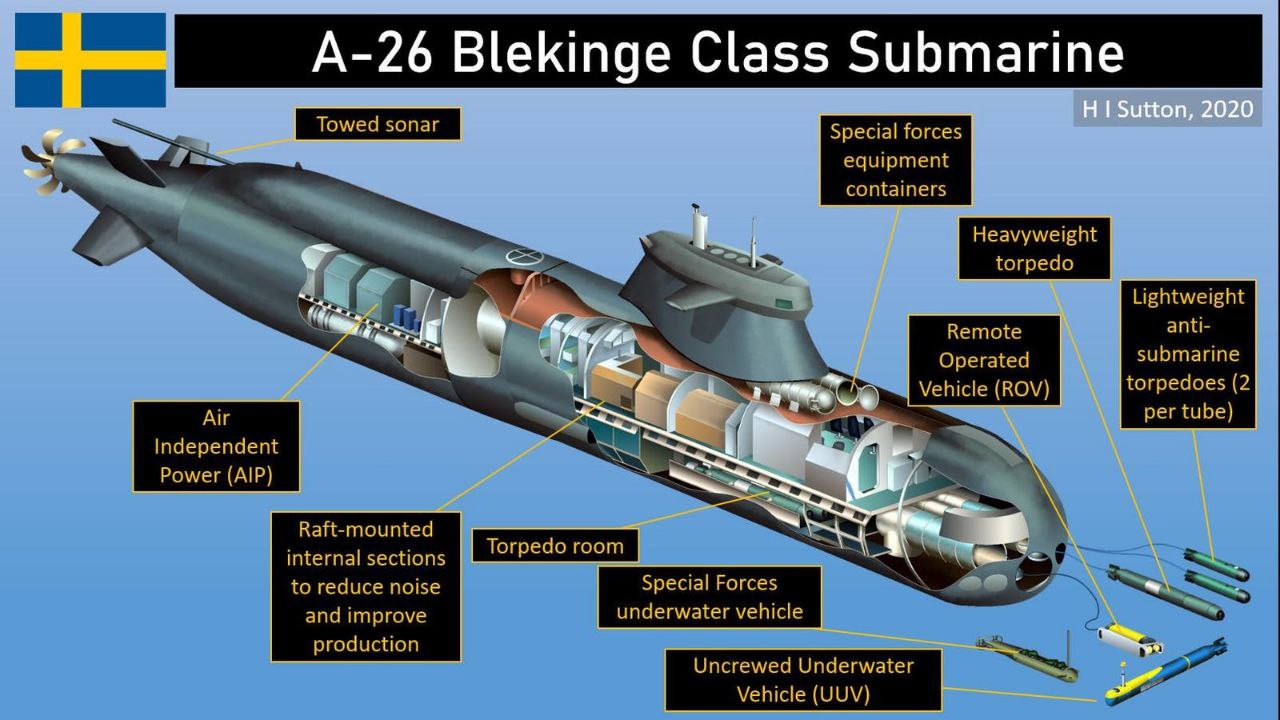 Swedish Blekinge-class submarine from SAAB
In addition to Swedish manufacturers, foreign defence companies with localised production also operate in the country. GKN Aerospace Sweden (a British company) manufactures aircraft engines and components for combat aircraft. Nammo Sweden AB (a Norwegian-Finnish company) specialises in ammunition and missile systems. BAE Systems Hägglunds and Bofors (Swedish divisions of the British corporation BAE Systems) specialise in the production of armoured vehicles and artillery, respectively, including the CV90 infantry fighting vehicle and the Archer self-propelled artillery system. Despite foreign ownership, their activities are integrated into the Swedish defence infrastructure and contribute to the development of national defence capabilities.
The Swedes are closely monitoring the course of the Russian-Ukrainian war and converting the results of these observations into new weapons designs and the modernisation of existing ones. Given the role of unmanned systems in the Russian-Ukrainian war, the Swedes have begun to develop and create unmanned systems for all branches of the armed forces. In the context of warfare at sea, we can mention the LUUV unmanned mini-submarine; in the context of warfare in the air, the Skeldar V‑200 multi-purpose helicopter UAV; and on land, the UGV(unmanned ground vehicles). And don't forget, the Swedes are also working on technologies for controlling swarms of drones.
SAAB is also actively developing drone defence technologies. Recently, the company introduced the Nimbrix anti-drone missile, declaring its readiness to supply it to customers as early as 2026 and emphasising that it will be inexpensive. The exact price is still unknown, but the aspect of low cost may play a role: if a large number of enemy drones – a relatively cheap weapon – are flying towards a country, the decision to shoot them down with expensive missiles will put the country in an undesirable position.
Another example of inexpensive anti-drone weapons from SAAB is the Loke system, which the company developed in a few months and has already begun to integrate into the armed forces. Essentially, it is a pickup truck with a radar installed on it, and several others with a combat module, designed to work as a system. The phrase ‘cheap and cheerful’ immediately comes to mind, but when it comes to fighting relatively cheap drones, this may be just what you need.
Speaking of the modernisation of existing types of weapons, we can mention the government's allocation of funds for the modernisation of domestic JAS 39 Gripen fighters so that they can take off even from ordinary roads, and the creation of new models of CV 90 IFVs (model CV9035IIIC), for which a contract has already been signed with the Swedish Armed Forces.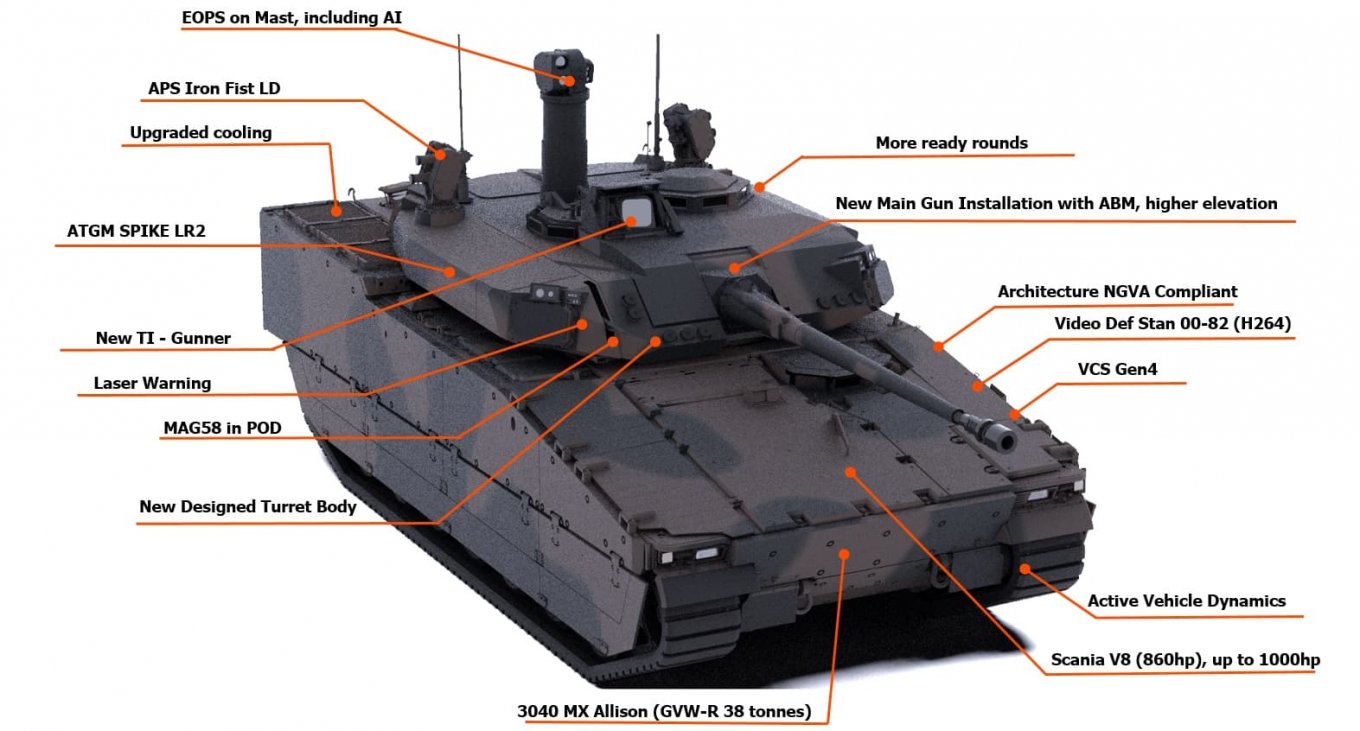 Details of the armament and equipment of the CV9035 MkIIIC
The existence of such a developed military-industrial complex makes it possible not only to supply the country's own armed forces with equipment and weapons, but also to sell them to NATO allies. For example, in 2022, Slovakia and the Czech Republic signed a joint agreement to purchase and operate more than 400 CV90 combat vehicles of various modifications. In 2024, Poland signed a contract with Sweden for thousands of Carl-Gustaf hand-held anti-tank grenade launchers and hundreds of thousands of rounds of ammunition (deliveries are scheduled for 2024-2027). In addition, Denmark has ordered 115 CV9035 units, and Hungary is expecting four additional JAS 39 Gripen aircraft (deliveries are scheduled for 2026).
A beneficial aspect of cooperation with the Swedish defence industry is that the Swedes are often open to localising production or parts of it in client countries. One example is the agreement with Hungary to open an aviation development centre in Budapest, which will specialise in the development of avionics, artificial intelligence integration, virtual reality technologies and software for the JAS 39 Gripen by the end of 2025. Another example is the localisation of CV-9035 production in Slovakia.
This approach strengthens both Sweden and its ally. On the one hand, Sweden expands its defence-industrial influence, and on the other, the ally gains new technologies, jobs and an increase in its own defence capabilities.
Sweden realised the threat posed by Russia earlier than many other European countries. After Russia's aggression against Ukraine in 2014, Sweden began to revive the concept of "total defence" and adapt it to modern realities. Military spending was gradually increased, conscription was reinstated, now extending to women, and the civil defence system was revived. The armed forces began to shift their focus from limited peacekeeping missions in other countries to the direct defence of Sweden against a potential aggressor.
At that time, Sweden was a non-aligned country, and therefore NATO guarantees did not apply to it in the event of an attack. At the same time, Sweden was involved in various regional formats. In 2016, within one of these formats (NORDEFCO), all five Nordic countries (Sweden, Finland, Denmark, Norway, Iceland) signed an agreement allowing their armed forces to use each other's air, sea and land territory in peacetime. And in 2018, Sweden signed a memorandum of military cooperation with Finland, which allowed the states to carry out joint operational planning in the event of a crisis or war.
In this way, Sweden not only strengthened its own ability to resist a potential attacker. It also sought to create a regional network of allied states that, in the event of an attack, would not be obliged to send their troops but would nevertheless provide assistance.
Russia's full-scale invasion of Ukraine showed that although the Swedes had correctly identified the threat earlier, they nevertheless underestimated its scale. Therefore, on 7 March 2024, Sweden became a NATO member. However, joining the Alliance did not stop Sweden's active preparations for a possible war; on the contrary, it stimulated their acceleration. Defence spending has been further increased and is now expected to reach 2.8% of GDP in 2026, 3.1% in 2028 and 3.5% in 2030.
The government decided to create strategic grain reserves for 2026-2028 in case of war. The creation of such reserves is planned to begin in the northernmost regions of the country and then spread to the rest of the country. From the government's point of view, if Russia attacks a NATO country, the war will not be quick and there may be problems with ensuring the population's access to food.
An important aspect of Sweden's preparation for a possible war is the expansion of its armed forces. As of 2025, they number about 66,800 personnel. Swedish military doctrine relies heavily on reservists, so the government plans to gradually increase the number of conscripts: 10,000 annually until 2030 and 12,000 between 2032 and 2035, so that in 2030 it will be possible, if necessary, to field an army of 130,000.
Many decisions are planned for the period 2026-2035, which indicates that Sweden is not yet ready for a possible war. It is this unpreparedness that may be one of the factors motivating Sweden to actively support Ukraine, from financial, military and humanitarian aid packages to active support in the diplomatic arena.
Despite the fact that Sweden is not currently prepared for war, it must be assumed that a potential enemy will not wait for NATO countries to finish all the necessary preparations. Russia is already waging a hybrid war against the Alliance countries. Just recently, we've seen GPS jamming in the Baltic Sea, about two dozen drones flying into Poland, drones showing up over Danish and Norwegian airports, and the most daring move yet – three Russian fighter jets violating Estonian airspace.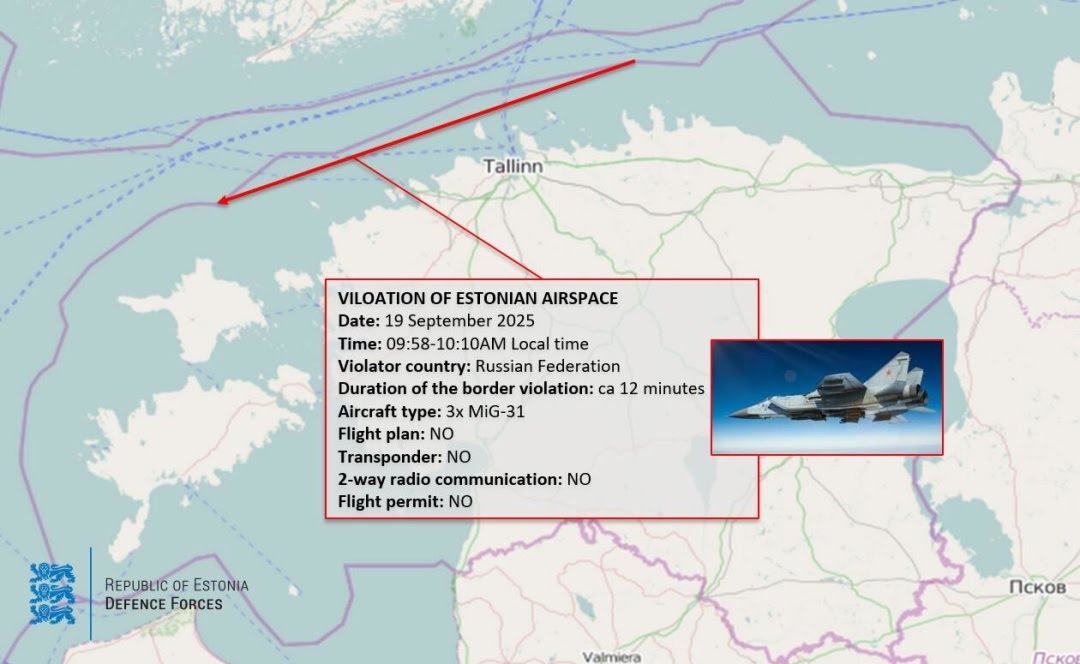 Map of the trajectory of Russian MiG-31 fighter jets that violated Estonian airspace
In this way, Russia is, on the one hand, testing the reaction of NATO countries and whether they can successfully resist, and on the other hand, trying to intimidate them in order to stop them from supporting Ukraine.
In the case of Denmark, it turned out that it did not have such a capability, so Sweden provided the country with anti-drone systems to protect the EU summit on 1 October. In 2026, Sweden plans to deploy anti-aircraft gun systems in Latvia to counter drones. In this way, Sweden is already contributing to the defence of its allies.
However, hybrid warfare and full-scale warfare are not the same thing. If Russia starts a war against NATO, Sweden will have to operate with the forces it has at that moment. As already mentioned, the Swedish Armed Forces currently number around 66,800 personnel, in addition to 5,800 reserve officers and 26,500 territorial defence personnel. In terms of equipment, the approximate figures are as follows:
Land forces: approximately 110 Stridsvagn 122 tanks, which are planned to be upgraded to the Stridsvagn 123A standard (2027-2030), 26 self-propelled guns and approximately 6800 armoured combat vehicles, including Stridsfordon 90 infantry fighting vehicles (CV90). In addition, 44 new Leopard 2A8 tanks (Stridsvagn 123B) have been ordered, with deliveries expected in 2028-2031, and 50 CV9035 MkIIIC IFVs.
Air Force: 90 JAS 39 Gripen fighters in C and D modifications, 1 in E modification (59 more E modifications are planned to be received by 2030), 6 TP 84 Hercules transport aircraft, 2 S 100 D radar reconnaissance aircraft, 2 S 102 radio reconnaissance aircraft, 1 Boeing C-17 heavy transport aircraft, 2 aircraft for transporting senior state officials, 2 TP 100 aircraft that can be used both for transporting personnel and for surveillance, 1 SK 60 training aircraft and about 50 helicopters.
Navy: 5 submarines, 7 corvettes, 9 minesweepers, 14 patrol boats. In 2031-2033, 2 more submarines are expected to be delivered, and by 2028, Sweden should receive 20 new landing craft.
What forces will Sweden and its allies face if Russia decides to start a full-scale war against NATO countries? It is impossible to determine what forces Russia will have at that moment, if it ever comes, what forces it will decide to use, and whether only Russian armed forces will be involved in the attack.
If we talk about possible scenarios for a Russian war against NATO countries, Moscow could initiate an attack by attempting to take control of the Suwalki Corridor (a 70-kilometre strip on the border between Poland and Lithuania, which, if it falls under Russian control, would connect Kaliningrad with Belarus and cut off the Baltic states from the rest of NATO) from Belarusian territory, while simultaneously invading Latvia and Estonia from its own territory. Another option would be to launch a naval operation to capture three strategic islands: Gotland (Sweden), Bornholm (Denmark) and the Åland Islands (Finland).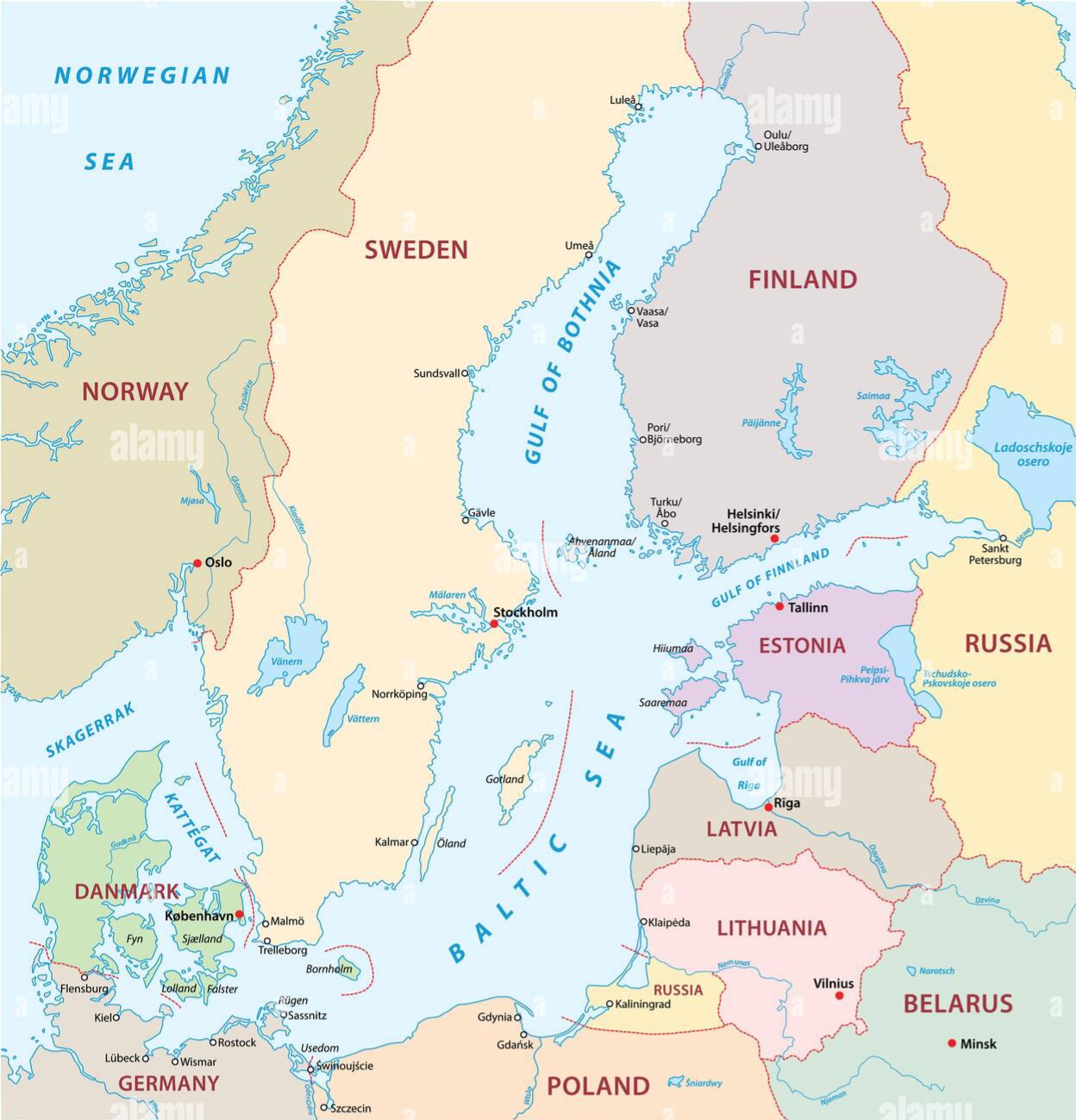 Gotland, Bornholm and the Åland Islands
Given that these scenarios are not mutually exclusive, Sweden itself risks coming under attack if war breaks out (the island of Gotland), in which case Sweden will have no choice but to defend itself, relying on the help of its NATO allies.
In the case of the Suwalki Corridor, it is difficult to say whether the Swedish leadership will decide to send its own troops: this will depend both on the decisions taken by the governments of other NATO countries and on who is in power in Sweden at that moment.
Kostiantyn Hlushko, staff analyst and reviewer at the "Resurgam" Center for Northern European Policy
You may be interested