 INTERNATIONAL
INFORMATION AND ANALYTICAL
COMMUNITY


+ Join
Support INTERNATIONAL



Yulian Bardas, political Scientist, Junior Analyst for European Affairs at the Resurgam Analytical Center
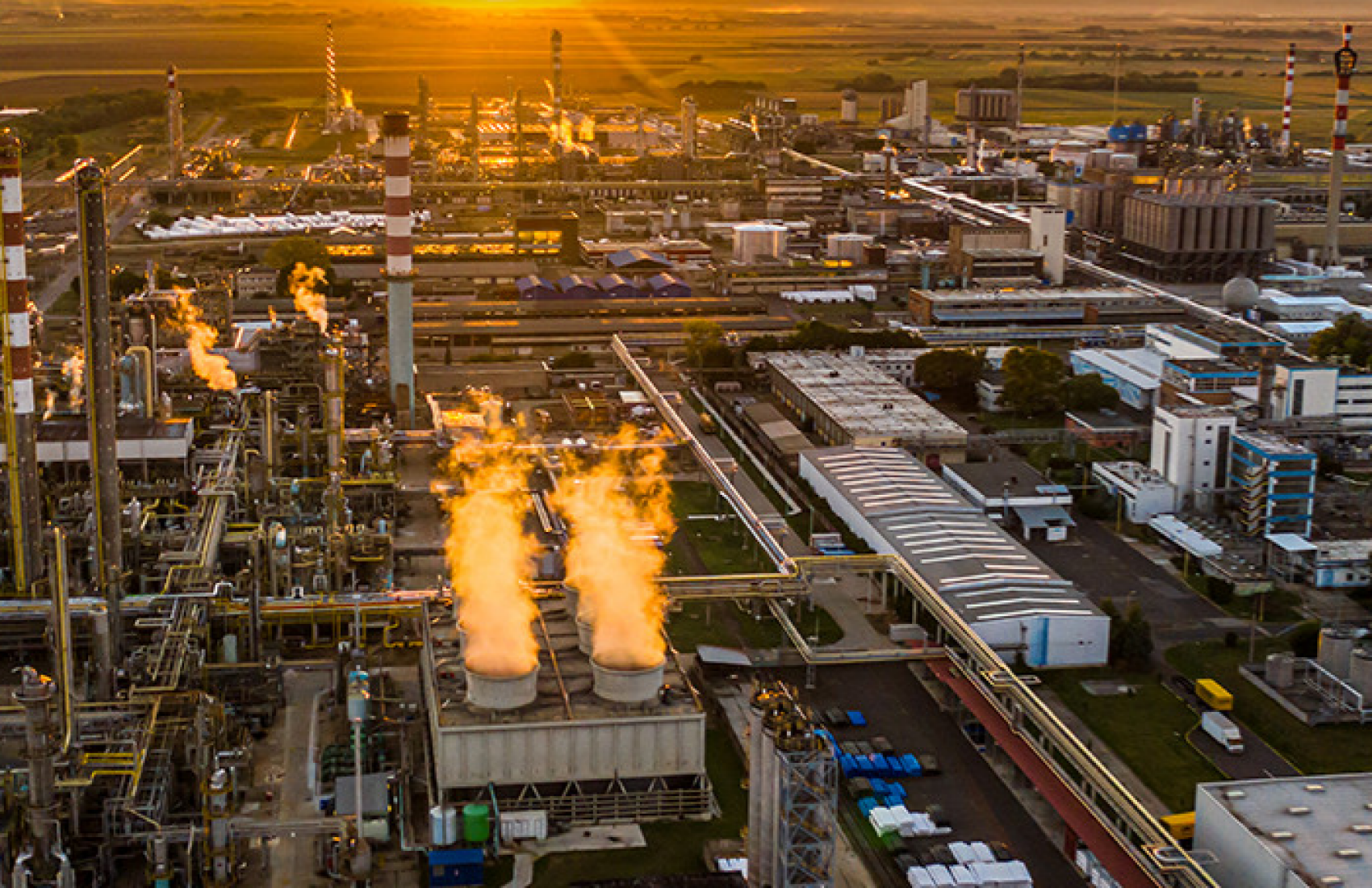 Hungarian MOL refinery. Photo: Molgroup
MOL was established in 1991 through the merger of nine state-owned oil and gas enterprises. Today, it is a major player in the energy market of Central and Eastern Europe. The company operates three refineries - one each in Hungary, Slovakia, and Croatia - and runs approximately 2.400 filling stations across Europe. Officially, MOL presents itself as a forward-looking, environmentally responsible corporation. Its “Shape Tomorrow 2030+” strategy highlights energy transition, sustainability, and efforts to reduce its carbon footprint. Meanwhile its investments in sports, culture, and philanthropy reinforce an image of social responsibility. Yet behind this carefully managed polished corporate profile lies one of the Fidesz party’s most important political assets.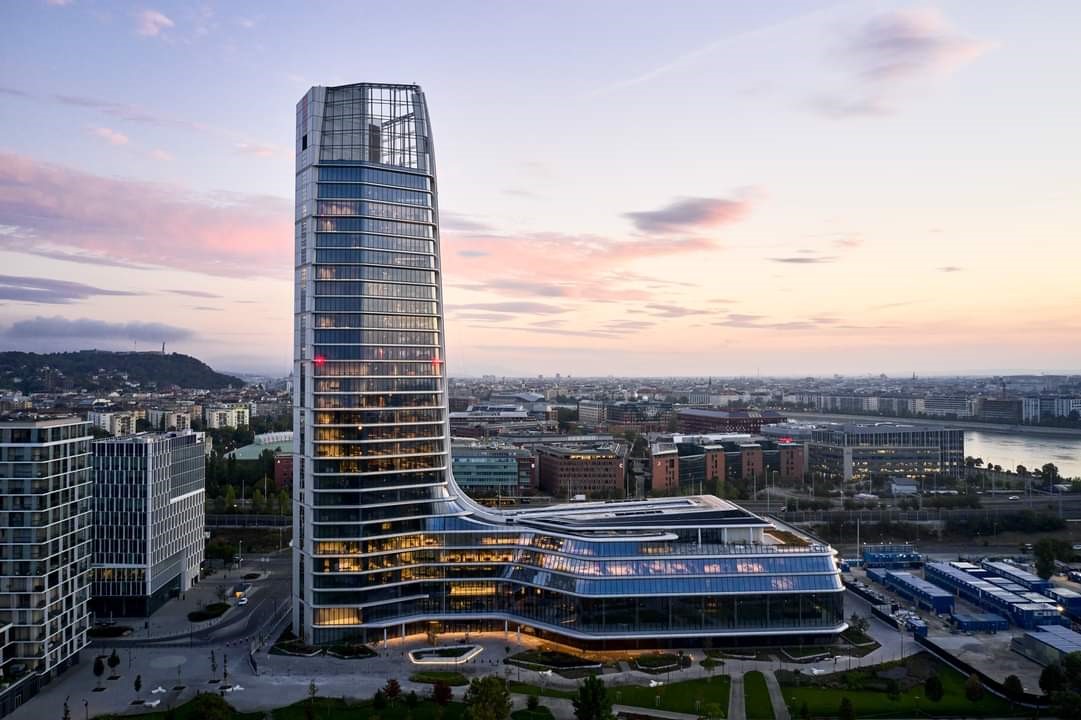 MOL office. Source
Rather than keeping these shares under direct ministerial control, where they would be subject to strict parliamentary oversight and public reporting requirements, the Orbán government moved to transfer them into specially created “public interest asset management foundations” (KEKVA). Between 2019 and 2021, large stakes in MOL were allocated to two key entities: the Maecenas Universitatis Corvini Foundation, which operates Corvinus University, and the Mathias Corvinus Collegium (MCC) Foundation. Each received a 10% share in the company. Consequently, one-fifth of the profits generated by the country’s largest corporation no longer flows directly into the state budget, but instead is redirected to these foundations mentioned. The legal design is deliberate: the KEKVA structure makes these assets effectively untouchable. Any future government, even if it wins elections, would be unable to reclaim the shares without a two-thirds parliamentary majority required to amend the foundations’ statutes.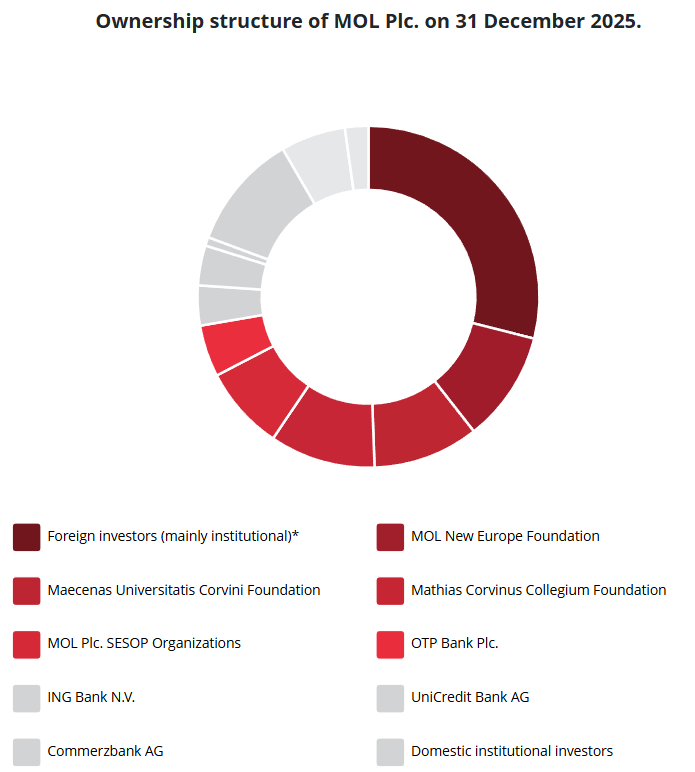 Source
The MCC Foundation is led by Balázs Orbán, Prime Minister Viktor Orbán’s political director and a close confidant (despite sharing the same surname, the two are not related). MCC functions as a talent pipeline for Fidesz, with a core mission to cultivate a new right-wing conservative intellectual elite capable of promoting the government’s preferred narratives both within Hungary and abroad. One of the most recent incidents was MCC’s acquisition of Libri Group, a dominant player in Hungary’s book market. In 2023, the foundation secured a 99% stake in the company and swiftly began reshaping its editorial direction. Several prominent Hungarian authors, such as Éva Péterfy-Novák and Mátyás Dunajcsik, publicly cut ties with the publisher, describing MCC as an “ideological machine” spreading Russian propaganda and xenophobia. The foundation has also attempted to expand into Slovakia’s book market, including a bid to acquire Panta Rhei.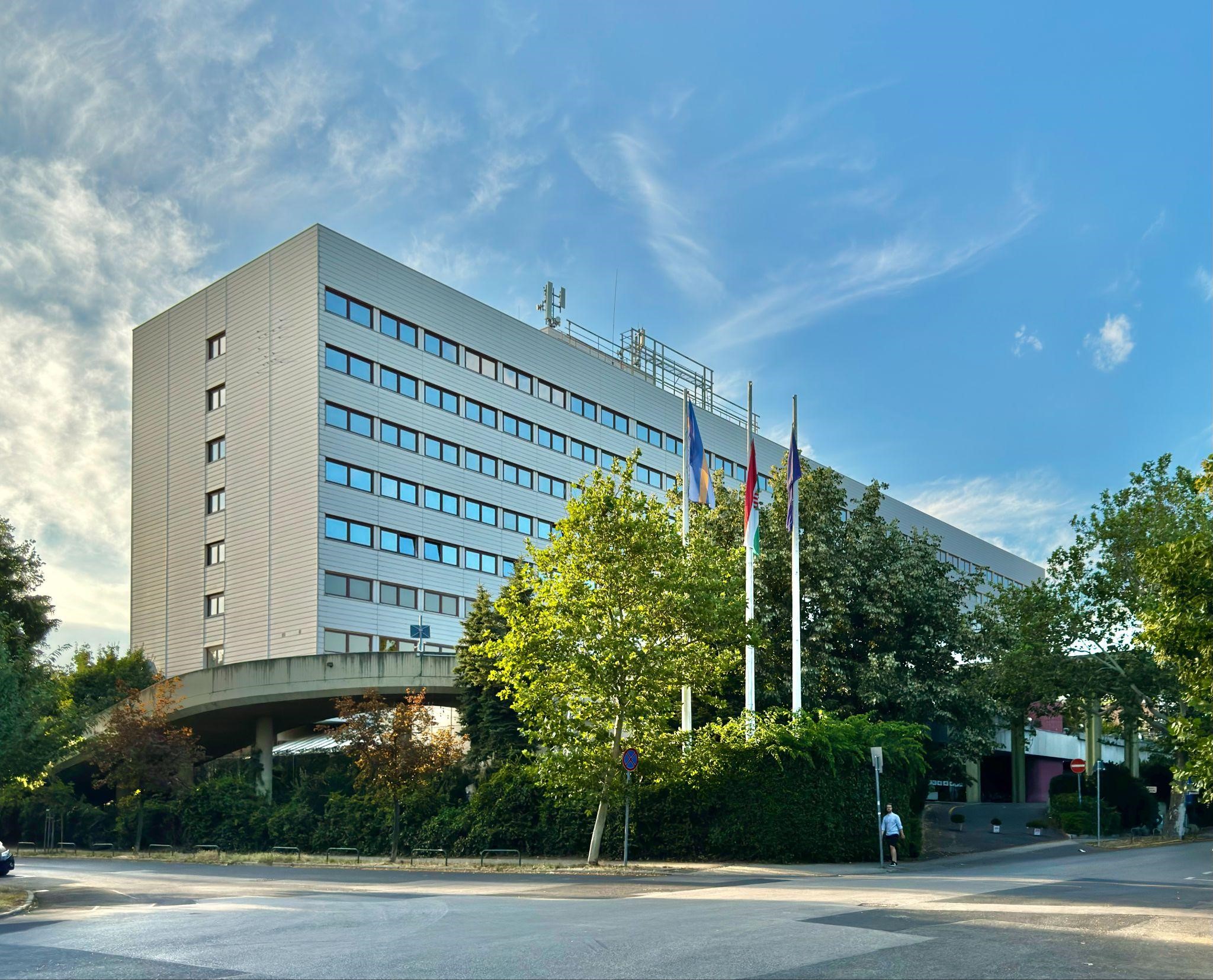 MCC foundation building. Source
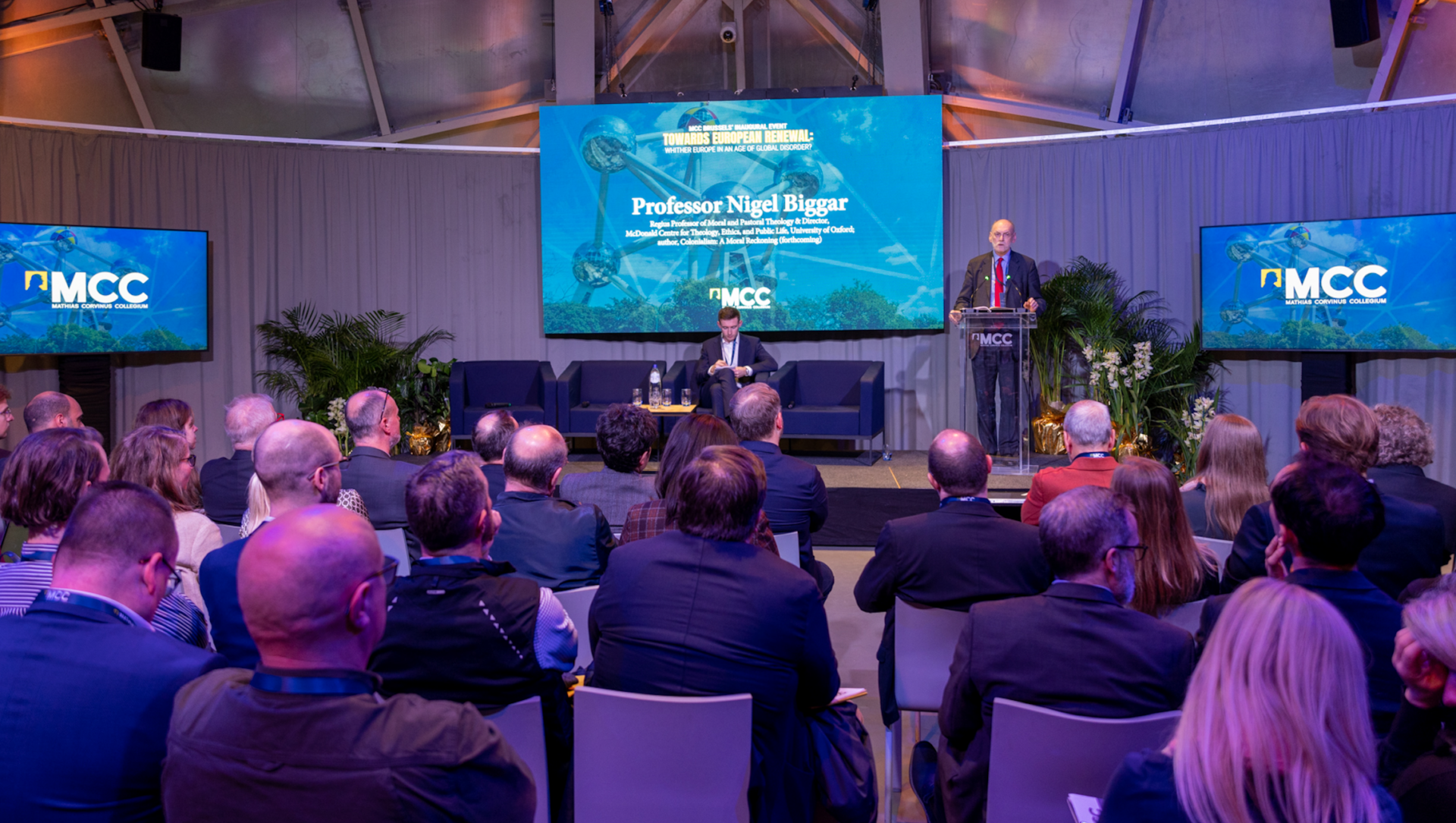 Конференція фонду МСС. ДжерелоBy 2022, MCC’s assets exceeded $1.3 billion, with dividends from MOL shares alone generating around €50 million annually. The foundation is also active in the United Kingdom, where it supports and maintains links with the right-wing populist party Reform UK. An advisor to party leader Nigel Farage serves on the board of the organization, linked to the MCC. Professor James Orr, who develops policy proposals for the United Kingdom, also serves as director of the British branch of the Roger Scruton Legacy Foundation - an organization that receives 90% of its funding from MCC. Professor Orr has participated in MCC events where he criticized aid to Ukraine and welcomed Hungary’s blocking of joint EU sanctions.
Meanwhile, Matt Goodwin, a well-known British academic and commentator for GB News, officially received payments from the MCC as a “visiting fellow”, with compensation reportedly reaching up to €10.000 per month, covering living and operating expenses. He has become one of the key speakers at MCC events, praising Hungary’s border policies and pro-family agenda while criticizing Britain’s “liberal elites”.
MOL has established itself as a key player in Central and Eastern Europe’s energy market, controlling an extensive network of filling stations and four refineries located in Hungary, Slovakia, Croatia, and Serbia. In Bratislava, the country’s largest refinery, Slovnaft, is fully owned by the MOL Group. This positioning has likely enabled a degree of policy alignment between Robert Fico and Viktor Orbán, particularly on maintaining reliance on Russian oil.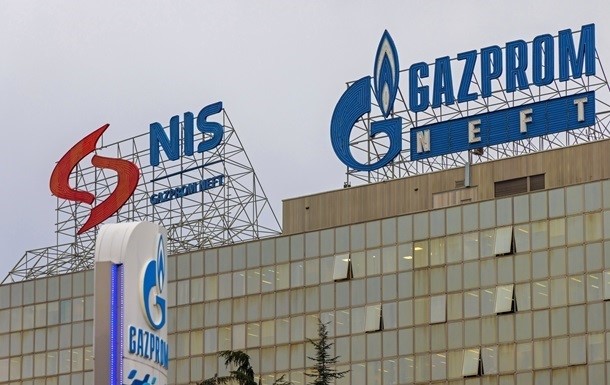 Oil refinery in Serbia. Source
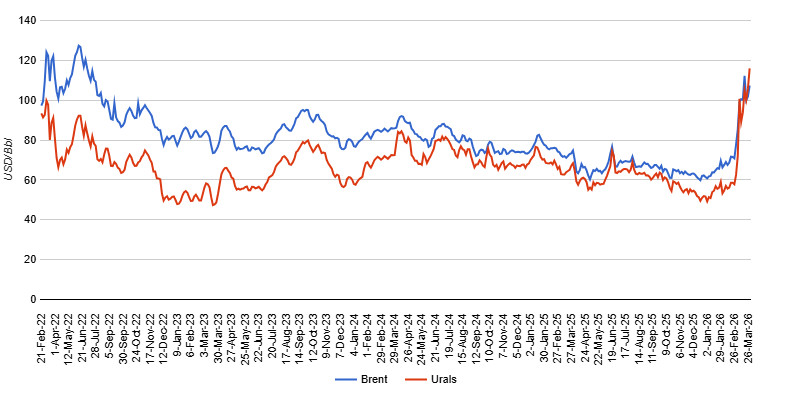 Chart of Brent and Urals crude oil prices. SourceBack in Hungary, however, MOL has enabled Fidesz to remain in power not only by lobbying abroad, but also by funding a state-run populist program aimed at subsidizing utility services - Rezsicsökkentés. The program is designed to retain the support of Fidesz’s rural and low-income electorate. Its financing relies on a complex tax framework, including the so-called “Robin Hood tax” (officially a levy on energy suppliers’ income) and a special tax on the price spread between Brent and Urals crude oil.
A large share of its profits has come from access to discounted Russian crude oil delivered via Druzhba pipeline. While the Czech Republic fully phased out Russian oil imports by 2025, Hungary and Slovakia have moved in the opposite direction. Since the start of the full-scale war, both countries have increased their reliance on Russian supplies, benefiting from preferential pricing and close political ties with the Kremlin. These discounts have provided the Orbán government with the financial flexibility to pursue its domestic and European agenda - one that, at times, aligns closely with Russian interests. The disruption of oil transit has triggered political tensions with Ukraine, as the loss of cheap supply undermines the financial model underpinning these policies. Orbán, and to a lesser extent Robert Fico, have framed the situation as an energy crisis. Yet alternative routes do exist, including the Adria pipeline in Croatia, which is capable of meeting regional demand. However, since Croatian operators are unwilling to transport Russian oil, this supply option, free from the grey-zone arrangements associated with Russian crude, appears to hold little appeal for Budapest.
Over time, the MOL Group has long outgrown the status of a commercial company, evolving into a “state within a state” and a financial backbone of Viktor Orbán’s political system. Drawing on practices reminiscent of Russia’s 1990s oligarchic capitalism, Budapest has transformed the oil corporation into a vast conduit for channeling and legitimizing Russian influence within the EU.
At the core of this system lies a non-market mechanism: a political discount on Urals crude oil. This price differential effectively functions as a “black fund” for the regime, channeling resources into loyal structures such as the MCC Foundation and shifting assets beyond effective state oversight. This is not merely corruption, but a form of strategic privatization of power - one that allows Fidesz to retain control over the country’s economic backbone even in the event of electoral defeat.
Its connection to voters is maintained indirectly: through the “Robin Hood tax”, excess profits in the energy sector are converted into artificially low utility prices, securing the loyalty of millions of Hungarian citizens. In this sense, Druzhba pipeline is not just infrastructure, but a lever sustaining the entire illiberal project. It is a Trojan horse built on the oil revenues of an aggressor state, and it now sits at the very heart of European institutions. While Budapest blocks support for Ukraine under the pretext of an “energy crisis”, revenues generated from processing Russian oil continue to fund forces seeking to undermine Western unity from the inside. Ending this transit would be the only way to dismantle the financial loop that enables Budapest to trade European cohesion for Russian oil rents.
You may be interested